
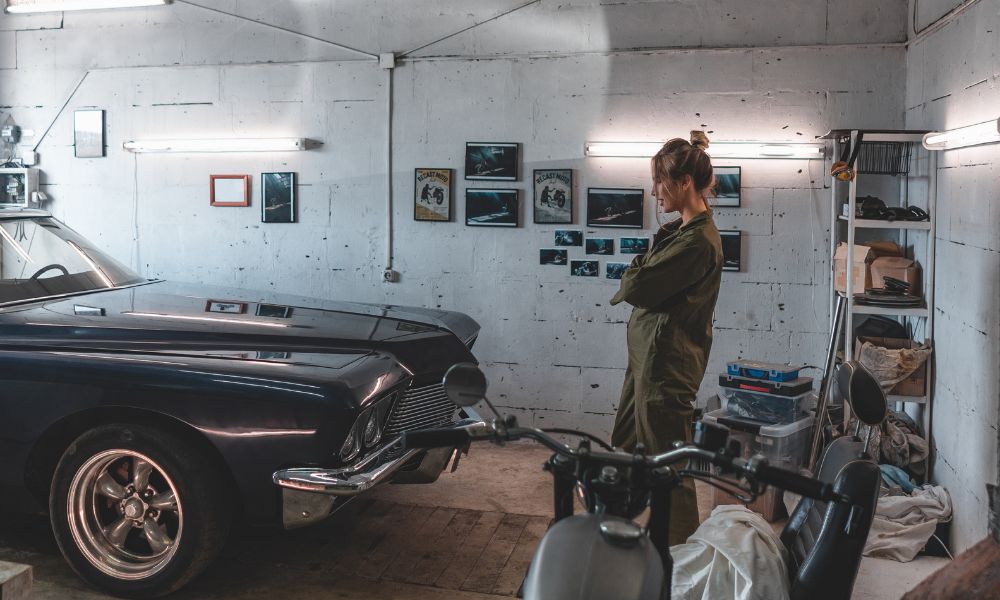
Every car enthusiast has that moment when they realize they want more than just a daily driver. Finding the right project car combines the thrill of mechanical engineering with the satisfaction of hands-on problem-solving. The key lies in understanding your goals, budget, and skill level before diving into the vast world of automotive restoration and modification.
Set Your Project Goals and Budget
Before you start browsing classified ads, define what you want to achieve with your project car. Some enthusiasts pursue complete frame-off restorations to return classic vehicles to factory specifications. Others focus on performance modifications and turning ordinary cars into track monsters.
Your budget determines the scope of your project more than any other factor. A realistic budget includes the initial purchase price, tools, parts, storage, and unexpected expenses. Plan for your project to cost at least 50 percent more than your initial estimate. This buffer accounts for hidden damage, upgraded components, and the inevitable scope creep that affects most automotive projects.
Consider your time investment as well. A weekend warrior might spend years completing a project that a full-time builder could finish in months. Factor in your current commitments and be honest about how much time you can dedicate to the project. Automotive restoration shares similarities with long-term software development—consistent progress beats sporadic bursts of activity.
Research Platform Popularity and Parts Availability
Choose a platform with strong community support and readily available parts. Popular project cars benefit from extensive aftermarket support, detailed documentation, and active online communities. These resources prove invaluable when you encounter problems or want to research modification options.
The internet has transformed automotive project research. Forums, YouTube channels, and social media groups provide access to decades of collective knowledge. Look for platforms with active communities where experienced builders share their knowledge freely. The quality of available documentation often determines how smoothly your project will progress.
Parts availability also directly impacts both cost and timeline. Common platforms typically have competitive aftermarket support, driving down prices and increasing options. Rare or obscure vehicles might offer unique appeal, but they often require custom fabrication or expensive NOS (New Old Stock) components. Research typical part prices before committing to a platform.
Understand Different Project Categories
Project cars generally fall into several categories, each with distinct characteristics and requirements. Understanding these categories helps you narrow your search and set appropriate expectations.
Driver-quality project cars run and drive, but they may need improvement. These vehicles let you enjoy the car while gradually upgrading systems. This approach works well for beginners who want to learn while maintaining a functional vehicle. You can tackle projects in manageable chunks without the pressure of a complete rebuild.
Meanwhile, rolling chassis projects involve vehicles with removed or non-functional powertrains. These builds often center around engine swaps or complete drivetrain modifications. While they require more extensive work, they offer maximum flexibility for customization. The Fox body Mustang may be the ultimate project car for this type of build, offering excellent aftermarket support and swap compatibility.
Choose the Right Platform
Different automotive platforms offer distinct advantages and challenges. Muscle cars from the 1960s and 1970s provide classic American styling and simple mechanical systems. However, they often suffer from rust issues and command premium prices. Their straightforward design makes them excellent learning platforms, but sourcing quality sheet metal can be expensive.
Import sports cars offer sophisticated engineering and excellent handling characteristics. Japanese platforms like the Nissan 240SX or Mazda Miata combine reliability with strong aftermarket support. European options provide advanced engineering but may require specialized tools and expensive parts. These platforms often appeal to tech-minded enthusiasts who appreciate their engineering sophistication.
Modern project cars present unique opportunities and challenges. Vehicles from the 1990s and 2000s often feature advanced electronics and complex systems. While these cars require different diagnostic approaches, they offer capabilities that older platforms cannot match. Many include factory turbocharging, advanced suspension systems, and sophisticated engine management.
Inspect Potential Project Cars
Thorough inspection separates good deals from money pits. Approach car inspection with the same methodical attention you would apply to system diagnostics. Create a checklist and work through it systematically, documenting issues and estimating repair costs.
Structural integrity forms the foundation of any successful project. Rust damage can render otherwise promising projects uneconomical. Pay special attention to structural areas like frame rails, floor pans, and suspension mounting points. Surface rust might look intimidating, but it often cleans up easily, while structural rust requires expensive metalwork.
Finally, mechanical systems need careful evaluation to assess the scope of required work. A seized engine might need complete rebuilding, while a running engine might need only basic maintenance. Check for signs of previous modifications that might complicate restoration, document missing components, and research their availability and cost.
Plan Your Project Approach
Successful project cars require careful planning and realistic timelines. Break large projects into manageable phases, each with specific goals and deliverables. This approach helps you maintain momentum and provides regular satisfaction as you complete each phase.
Start with safety-critical systems, such as brakes, steering, and suspension. These systems must function properly before you can drive the car safely. Next, address reliability concerns like engine performance, cooling, and electrical systems. Finally, focus on comfort and aesthetic improvements.
Document your progress with photos and detailed notes. This documentation tracks your work and can be valuable if you need to troubleshoot issues later. Many builders maintain detailed build threads on forums, which provide motivation and allow others to benefit from your experiences.
Maximize Your Project Success
Starting your first project car shares similarities with beginning a complex coding project—careful planning and realistic expectations lead to better outcomes. Choose a platform that matches your skill level and interests, budget conservatively and plan for unexpected challenges, and remember that the journey matters as much as the destination.
The automotive hobby offers endless opportunities for learning and growth. Each project teaches new skills and builds confidence for future challenges. Whether you aim for a complete restoration or a modern performance build, the right project car will provide years of rewarding work and driving enjoyment.