
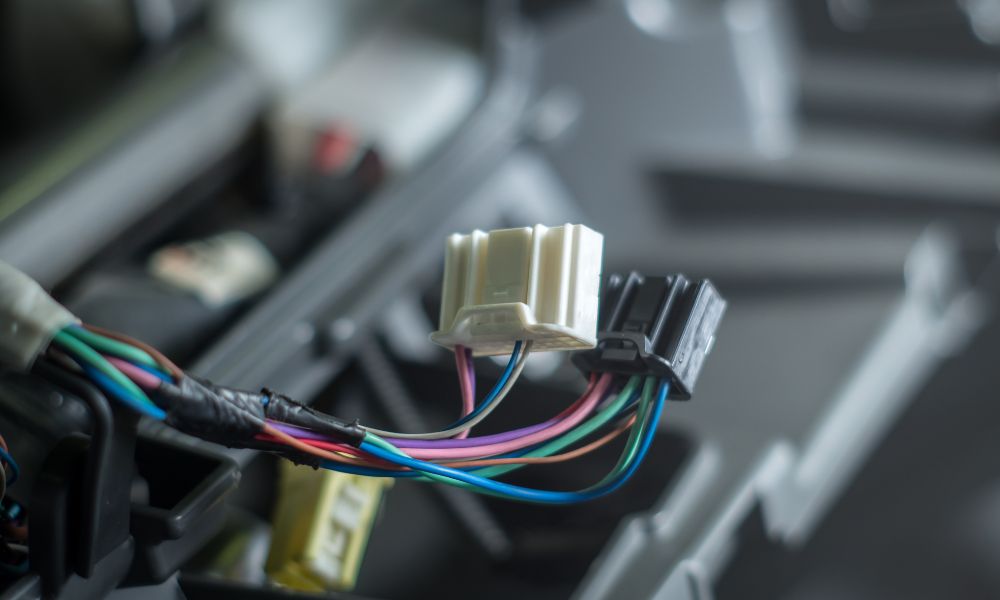
Your car’s electrical system relies on hundreds of tiny connections working perfectly together. When automotive connectors fail, they can turn a smooth drive into a frustrating breakdown. Understanding what causes these failures and how to prevent them can save you time, money, and the headache of unexpected repairs.
Automotive connectors serve as the critical link between different electrical components in your vehicle. They carry power and signals to everything from your headlights to your engine management system. When these connections deteriorate or fail, you might experience anything from flickering dashboard lights to complete engine shutdown.
The good news? Most connector failures follow predictable patterns, and you can take steps to prevent them. This guide walks you through the most common types of automotive connectors, explains why they fail, and provides practical prevention strategies that any car owner can implement.
Understanding Automotive Connector Types
Modern vehicles use several distinct types of electrical connectors, each designed for specific applications and environments. Blade connectors represent the most common type, featuring flat metal terminals that slide into plastic housings. You’ll find these throughout your car’s interior systems, from radio connections to power window controls.
Pin and socket connectors take a different approach, using cylindrical pins that insert into matching receptacles. These connectors excel in applications requiring secure connections that resist vibration, making them popular for engine bay applications and critical safety systems.
Weather-resistant connectors incorporate special seals and gaskets to protect electrical connections from moisture and contaminants. Your car’s exterior lighting, sensors, and engine components rely heavily on these specialized connectors to maintain reliable operation despite exposure to harsh conditions.
Terminal blocks and junction boxes consolidate multiple connections in a single location, simplifying wiring harnesses and reducing the total number of individual connection points. These components often serve as distribution hubs for power and ground connections throughout the vehicle.
Common Causes of Connector Failure
Corrosion stands as the primary enemy of automotive electrical connections. When moisture infiltrates connector housings, it creates an environment where metal terminals can oxidize and develop resistance. This process accelerates in vehicles exposed to road salt, coastal environments, or frequent washing without proper drying.
Heat represents another major threat to connector reliability. Engine bay temperatures can exceed 200 degrees Fahrenheit during normal operation, causing plastic housings to become brittle and terminal springs to lose tension. High-amperage circuits generate additional heat through resistance, creating a cycle where poor connections generate more heat and further degradation.
Vibration gradually loosens connections over time, particularly in areas where connectors experience constant movement. Your engine’s operation creates continuous vibration that can work terminals loose from their housings, while road conditions add additional stress to connections throughout the vehicle.
Physical damage occurs when connectors face impact, crushing, or excessive force during installation or maintenance. Overtightening connection bolts can crack plastic housings, while improper removal techniques can bend or break terminal pins.
Contamination from oil, dirt, and other substances can interfere with proper electrical contact. Engine oil leaks commonly affect nearby connectors, while road grime and dust can accumulate in unsealed connection points over extended periods.
Prevention Tips
Regular inspection forms the foundation of connector maintenance. Check visible connections monthly for signs of corrosion, damage, or loose housings. Pay special attention to connections in the engine bay, where heat and contamination pose the greatest threats to reliability.
Cleaning techniques play a crucial role in maintaining connection quality. Use electrical contact cleaner to remove oxidation and contamination from terminal surfaces. Avoid using water or general-purpose solvents, which can leave residues that attract dirt or damage plastic components.
Proper connection techniques prevent many premature failures. When reconnecting terminals, press the housings together firmly until they click into place. Avoid forcing connections that don’t fit easily, as this often indicates misalignment or damage that requires attention.
Protection from environmental factors extends connector life significantly. Apply dielectric grease to terminals in moisture-prone areas, creating a barrier against corrosion while maintaining electrical conductivity. This simple step proves particularly valuable for connections near the battery, under the hood, and around exterior lighting.
Temperature management helps prevent heat-related failures. Make sure you route new wiring away from exhaust components and other heat sources when possible. If heat exposure is unavoidable, use heat-resistant connector types and consider adding protective sleeves or shields.
Professional maintenance becomes essential for complex connector systems. There are electrical connector standards that govern proper installation and replacement procedures, and technicians trained in these standards can identify potential problems before they cause failures. Schedule regular electrical system inspections as part of your preventive maintenance routine.
Cable strain relief prevents mechanical stress from reaching the connector terminals. Secure wiring harnesses properly to prevent excessive movement, and avoid routing cables where they might contact sharp edges or moving components.
Quality replacement parts make a significant difference in long-term reliability. When connectors require replacement, choose components that meet or exceed original equipment specifications. Generic connectors may fit initially, but often lack the durability and environmental resistance of quality alternatives.
Keeping Your Connections Strong
Automotive connector failures don’t have to catch you off guard. By understanding the types of connectors in your vehicle and implementing regular maintenance practices, you can prevent most connection-related problems before they leave you stranded.
Start with a visual inspection of accessible connectors this weekend. Look for signs of corrosion, damage, or loose connections, and address any issues you discover promptly. Consider adding connector maintenance to your regular car care routine, checking key connections each time you change your oil or perform other routine maintenance.
Remember that prevention costs far less than emergency repairs. A few minutes spent maintaining your car’s electrical connections can prevent hours of troubleshooting and expensive diagnostic work later. Your investment in connector care today pays dividends in reliable transportation tomorrow.