
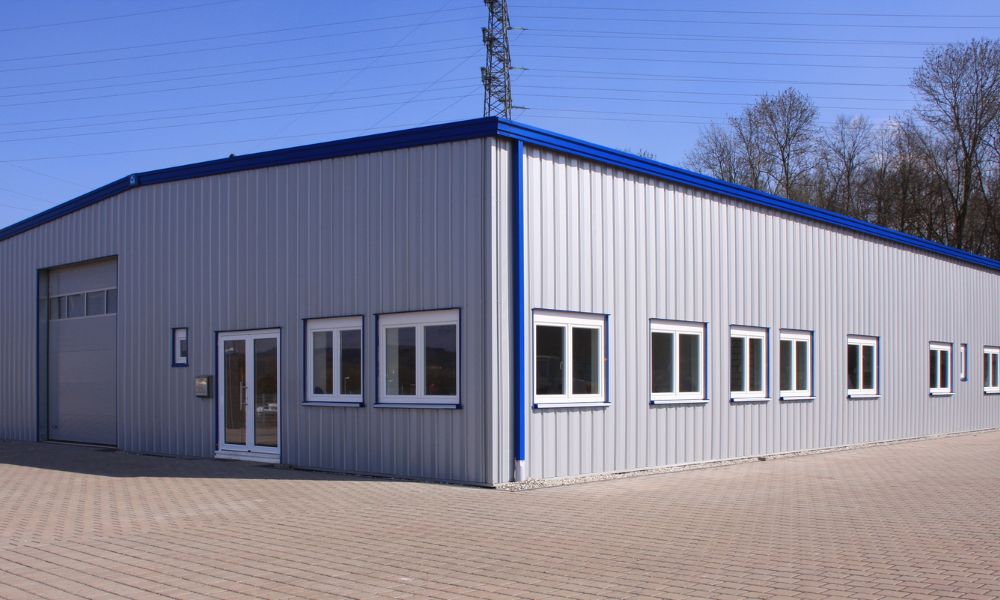
Steel buildings have transformed from industrial warehouses to versatile property additions that homeowners and business owners actively seek. These structures offer practical solutions for storage, workspace, and specialty uses while delivering long-term value that traditional buildings often can’t match.
The appeal of steel construction extends far beyond its industrial reputation. Modern steel buildings combine functionality with aesthetic appeal, creating spaces that serve multiple purposes while standing the test of time. Property owners discover that steel structures solve immediate space needs and provide benefits that compound over the years.
Understanding the advantages of steel buildings helps you make informed decisions about property improvements. The following are reasons to add a steel building to your property.
Superior Durability and Longevity
Steel buildings withstand environmental challenges that compromise other construction materials. Unlike wood structures, steel resists termites, carpenter ants, and other pests that cause costly damage over time. The material doesn’t rot, warp, or deteriorate when exposed to moisture, making it ideal for climates with high humidity or frequent precipitation.
Weather Resistance
Weather resistance sets steel buildings apart from traditional construction. These structures handle heavy snow loads, high winds, and severe storms without suffering structural damage. The engineered design distributes weight evenly, preventing stress concentrations that weaken buildings over time. Steel’s natural strength means your building maintains its integrity through decades of use.
Fire Resistance
Fire resistance provides another significant advantage. Steel doesn’t burn, which reduces fire hazards and often results in lower insurance premiums. This characteristic becomes particularly valuable for buildings that store vehicles, equipment, or materials that might pose fire risks.
Longevity
Most steel buildings last 50 years or more with minimal maintenance, while traditional wood structures typically require replacement or major repairs after 20 to 30 years. This extended lifespan translates to better long-term value for your property investment.
Exceptional Cost-Effectiveness
Steel building construction costs less than traditional building methods in multiple ways. The prefabricated nature of steel components reduces labor costs and construction time, which directly impacts your project budget. Manufacturing steel building components in controlled environments eliminates waste and improves precision, resulting in lower material costs.
Maintenance
Maintenance expenses remain minimal throughout the building’s lifespan. Steel doesn’t require painting, staining, or treatments that wood structures typically need. The material resists rust when properly coated, and modern steel buildings come with protective finishes that last for decades.
Energy Efficiency
Energy efficiency contributes to ongoing cost savings. Steel buildings accommodate various insulation systems that reduce heating and cooling costs. The thermal properties of properly insulated steel structures often exceed those of traditional buildings, resulting in lower utility bills throughout the year.
Lower Insurance Premiums
Insurance companies recognize the fire-resistant and weather-resistant qualities of steel buildings, often offering reduced premiums compared to wood structures. You can save money on your steel building project through these insurance discounts, which continue throughout the building’s lifetime.
Remarkable Versatility and Customization
Steel buildings adapt to virtually any purpose you envision. Common applications include automotive storage, workshop spaces, equipment storage, recreational vehicle shelters, and hobby areas. The open-span design eliminates interior support columns, maximizing usable space and allowing flexible interior layouts.
Customizable
Customization options accommodate specific needs and preferences. Steel buildings are available in a range of sizes, from compact storage units to expansive workshop spaces. Door configurations range from standard walk-through doors to large overhead doors that accommodate vehicles and equipment. Window placement and sizing can be customized to provide natural light exactly where you need it.
Architectural flexibility allows steel buildings to complement existing structures on your property. Color options, roofing styles, and exterior finishes can match your home or other buildings, creating a cohesive aesthetic. Many steel buildings incorporate design elements that make them virtually indistinguishable from traditional construction.
The modular nature of steel construction makes future expansion simple. You can extend the building length, add lean-to sections, or incorporate additional features without major structural modifications. This adaptability means your steel building can grow with changing needs.
Significant Environmental Benefits
Steel ranks among the most recyclable materials available, making steel buildings an environmentally responsible choice. The steel used in construction contains a significant amount of recycled content, and you can recycle the entire building at the end of its lifespan. This circular approach to materials reduces environmental impact compared to traditional building materials.
Decreased Construction Waste
Construction waste decreases dramatically with steel building projects. Prefabricated components arrive cut to exact specifications, eliminating the material waste common in traditional construction. The precision manufacturing process reduces scraps and offcuts that typically end up in landfills.
Energy efficiency extends beyond operational savings to environmental benefits. Well-insulated steel buildings require less energy for heating and cooling, reducing your carbon footprint over the building’s lifetime. The longevity of steel structures also means fewer resources consumed for replacement or major repairs.
Fewer Emissions
The manufacturing process for steel building components generates fewer emissions than traditional building materials. Steel production has become increasingly efficient, with modern facilities utilizing recycled materials and cleaner production methods.
Streamlined Construction Process
Steel building construction proceeds faster than traditional building methods due to prefabricated components and simplified assembly. Most steel buildings can be erected in a matter of days rather than weeks, minimizing disruption to your property and daily activities. The precision-engineered components fit together seamlessly, reducing construction complications.
Weather delays affect steel building construction less than traditional building projects. Professionals can manufacture the prefabricated components regardless of weather conditions, and assembly can proceed in various weather situations. This reliability means more predictable project timelines and completion dates.
Foundation requirements for steel buildings are often simpler than those of traditional structures. The engineered design distributes loads efficiently, sometimes allowing for less extensive foundation work. This simplification reduces both time and cost during the construction phase.
The construction process generates minimal disruption to surrounding areas. With reduced on-site cutting, measuring, and material preparation, noise and mess are minimized. This consideration becomes particularly important for residential properties, where maintaining daily routines is crucial.
Enhanced Property Value
Steel buildings add functional square footage to your property, directly increasing its value. The versatility of these structures appeals to potential buyers who recognize the utility of additional storage, workshop space, or covered parking.
The permanence and durability of steel buildings contribute to lasting value increases. Unlike temporary structures or buildings that require frequent replacement, steel buildings represent permanent property improvements that appraisers recognize in valuations.
Functional benefits attract buyers who appreciate the practical aspects of a property. Covered parking, secure storage, and dedicated workspace areas address common property needs that many homes lack. These practical advantages can differentiate your property in competitive real estate markets.
The professional appearance of modern steel buildings enhances the overall aesthetic of the property. Well-designed steel structures complement existing architecture and landscaping, improving the overall presentation of the property and its curb appeal.
Your Next Step Forward
Steel buildings offer compelling advantages that make them smart additions to virtually any property. The combination of durability, cost-effectiveness, versatility, and environmental benefits creates value that extends far beyond the initial investment. These structures solve immediate space needs while providing decades of reliable service.
Consider how a steel building might address your property’s specific needs. Whether you require vehicle storage, workshop space, or general storage, steel construction provides solutions that traditional buildings often can’t match. The time to explore steel building options is now, while you can benefit from years of superior performance and value.