Some things never get the limelight, despite their importance, and that’s definitely the case with steel purlins. As you would expect, structural stability is a non-negotiable requirement in construction. It forms the backbone of any building, literally.
Without it, a structure can fail under its own weight, collapse in high winds, or simply deteriorate rapidly over time. While more obvious building components such as beams, columns, and trusses often get the spotlight, there’s another key component that plays a quiet but critical role in maintaining strength and integrity, namely purlins.
When you are next searching for steel purlins for sale, you might want to take a moment to consider what a valuable contribution they make when it comes to structural stability.
Purlins are horizontal structural members in a roof framework that support loads from the roof deck or sheeting and transfer those loads to the primary structural frame, like rafters or wall beams. Found mostly in steel and timber roof systems, purlins are essential to how a building performs under stress.
Here are some important ways purlins contribute to the structural stability of buildings and why they are so relevant in modern construction.
Vital for load distribution and support


The fundamental role of purlins is to carry the roof load and distribute it evenly across the main structural elements, such as trusses or wall beams. Whether it’s the dead load of roofing materials, supporting the live load from maintenance workers, or the dynamic forces of wind and snow, purlins play a pivotal role.
In the absence of purlins, these loads would be concentrated directly on larger structural components.This would lead to increased stress, and the need for heavier beams. Construction costs would inevitably be higher without the help of purlins.
Enhanced roof span capabilities
One of the most valuable contributions made by purlins is their ability to increase the span of roofing systems. By supporting the roofing sheets at intermediate points, purlins allow engineers and builders to use smaller, lighter materials across larger distances without sacrificing strength.
This not only improves design flexibility, particularly in wide-span structures like warehouses, and factories, but also reduces material waste and total construction costs.
The use of purlins facilitates longer roof spans without the need for excessive vertical supports.
Structural rigidity against lateral forces
In reality, buildings have to contend with more than just vertical loads. Wind, seismic activity, and even thermal expansion can exert lateral forces on a structure. Purlins help contribute to overall rigidity by tying structural elements together and bracing the roof system against the sort of forces that can threaten buildings.
In the case of metal buildings, for example, purlins often connect across roof frames. This provides much-needed resistance against racking or twisting under lateral pressure.
In simple terms, when purlins are integrated with bracing and fasteners, this helps the roof act like a diaphragm, creating a stiff, load-distributing surface that reinforces the entire building envelope.
Purlins help reduce structural deflection
Deflection occurs when structural members bend under load. Too much deflection in a roof can cause issues like pooling water, cracked finishes, or structural fatigue, over time.
Purlins reduce deflection by supporting the roof panels at shorter intervals, which reduces the unsupported span of the roofing materials. By interrupting and controlling how loads are transferred, purlins keep structural members within safe deflection limits and allow the building to perform as designed.
This attribute is of extra importance in areas with heavy snowfall or high wind uplift conditions.
Efficient material use combined with lightweight design
Another positive contribution made by purlins is that they contribute to structural stability without adding significant weight. Cold-formed steel purlins, such as C and Z sections, are engineered to provide high strength-to-weight ratios. This allows engineers to use thinner, lighter sections while still maintaining the desired level of structural integrity.
When they are able to distribute loads efficiently, purlins facilitate leaner designs. This reduces the need for oversized beams and rafters. This lightweight efficiency means faster installation, easier handling, and lower transportation costs, all without compromising strength.
Easy integration with roofing and cladding systems
Another positive aspect of using purlins that is sometimes overlooked is their ability to serve a secondary but essential role as the mounting points for roofing sheets, insulation, and cladding.
Their placement dictates the spacing and alignment of these components, resulting in a roofing system that remains weatherproof, secure, and effective for a prolonged period of time.
By anchoring the roof system to the structural frame, purlins provide a stable substrate for fasteners, sealing membranes, and insulation.
Purlins allow for adaptability in building design and maintenance

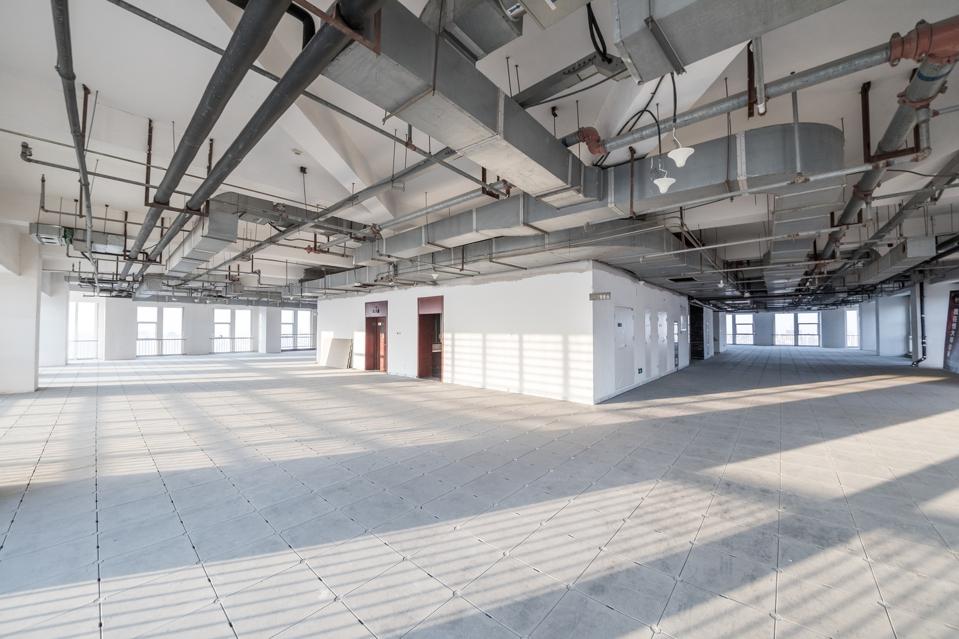
Purlins aren’t just structural, they’re also practical. Their modularity allows for easier retrofitting, roof replacements, or expansions.
A good example of this would be when a warehouse needs a skylight or ventilation upgrade. In this scenario, purlins provide a predictable and accessible framework to work within.
To understand purlins fully, it’s important to recognize the different types and how they’re used. Here is an overview of the main types used.
C-Purlins: Shaped like the letter “C”, these are used in both wall and roof systems and can be nested for strength.
Z-Purlins: Z-shaped purlins offer overlapping capabilities. This allows for longer spans and stronger connections.
Sigma or Hat Purlins: Used in specific applications where higher strength or different spacing requirements are needed.
Ultimately, your choice of purlin will be influenced by factors like span length, roof pitch, loading conditions, and the materials used elsewhere in the building. A structural engineer will be able to determine the ideal profile and spacing based on these variables.
As you can see, purlins are the unsung hero of the construction world. While beams, columns, and trusses usually steal the spotlight, purlins quietly do much of the heavy lifting in a building’s structure, especially when it comes to roofing.
They do a fantastic job of supporting weight, and should be considered as a vital tool for engineers and builders.
When you next look up at a roof, remember, the real strength of that structure often lies just below the surface.