
A building’s impact on the environment extends far beyond its construction. The architectural world is undergoing a significant shift, prioritizing eco-friendly practices and materials that minimize environmental harm while maximizing efficiency and aesthetic appeal.
This evolution is not just a trend; it is a necessary response to the global climate crisis. Architects, designers, and developers now seek innovative ways to contruct buildings that are not only beautiful and functional but also kind to our planet. The focus has shifted toward creating structures with a smaller carbon footprint, lower energy consumption, and seamless integration with their natural surroundings.
Bamboo: The Fast-Growing Giant
Bamboo is one of the most versatile and rapidly renewable resources on the planet. Technically a type of grass, some species of bamboo can grow several feet in a single day, reaching maturity in just three to five years. This rapid growth cycle makes it an exceptionally sustainable alternative to traditional hardwoods, which can take decades or even centuries to mature.
Its impressive strength-to-weight ratio rivals steel, making it suitable for many structural applications. Architects use bamboo for everything from flooring and wall panels to entire building frames. It is lightweight, which reduces transportation costs and associated emissions. Furthermore, bamboo forests are excellent carbon sinks, absorbing more carbon dioxide and releasing more oxygen than a comparable stand of trees.
However, using bamboo comes with considerations. Untreated bamboo is susceptible to pests and moisture, so it requires proper treatment to ensure its longevity. The distance it travels from its native growth regions to construction sites can also offset some of its environmental benefits, so sourcing it locally or from certified forests is key to maximizing its eco-friendly potential.
Cork: The Resilient Insulator
Harvested from the bark of the cork oak tree, cork is another sustainable material reshaping building architecture that regenerates, making it a truly renewable resource. The harvesting process does not harm the tree; in fact, a harvested cork oak can live for over 200 years, with its bark being stripped every nine to 12 years. This cyclical process supports biodiversity in cork forests, which are vital ecosystems in the Mediterranean region.
In architecture, cork provides excellent thermal and acoustic insulation. Its cellular structure, which consists of millions of air-filled pockets, makes it highly effective at trapping heat and blocking sound. This natural insulating property helps reduce reliance on heating and cooling systems, leading to significant energy savings over time.
Beyond insulation, cork is also durable, water-resistant, and fire-resistant, making it ideal for flooring, wall coverings, and external cladding. Its natural texture and warm aesthetic add a unique visual element to interior and exterior designs. The entire process of harvesting and manufacturing cork has a low environmental impact, making it a top choice for green building projects.
Recycled Metal: The Endlessly Reusable Material
Metal is a cornerstone of modern construction, and repeatedly recycling the material without losing its properties makes it a sustainable powerhouse. Steel, aluminum, and copper are among the most commonly recycled metals used in architecture. Using recycled metal significantly reduces the energy consumption and environmental degradation associated with mining and processing virgin ores.
The benefits of recycled metal go far beyond resource conservation. For instance, the use of architectural metal fabrics can improve a building’s energy efficiency. These materials are highly effective for managing temperature, shade, and daylighting. Moreover, stainless steel mesh helps with ventilation and filtration, reducing the load on HVAC systems.
Moreover, these materials come from a high percentage of post-consumer and post-industrial content. This commitment to circularity is a core principle of sustainable materials, reshaping the architecture of buildings. By designing with recycled metals, architects can create durable, modern structures that are both environmentally responsible and visually striking. From structural frameworks to decorative facades, recycled metals offer strength, versatility, and a much lighter environmental footprint.
Timber and Mass Timber: The Carbon-Capturing Framework
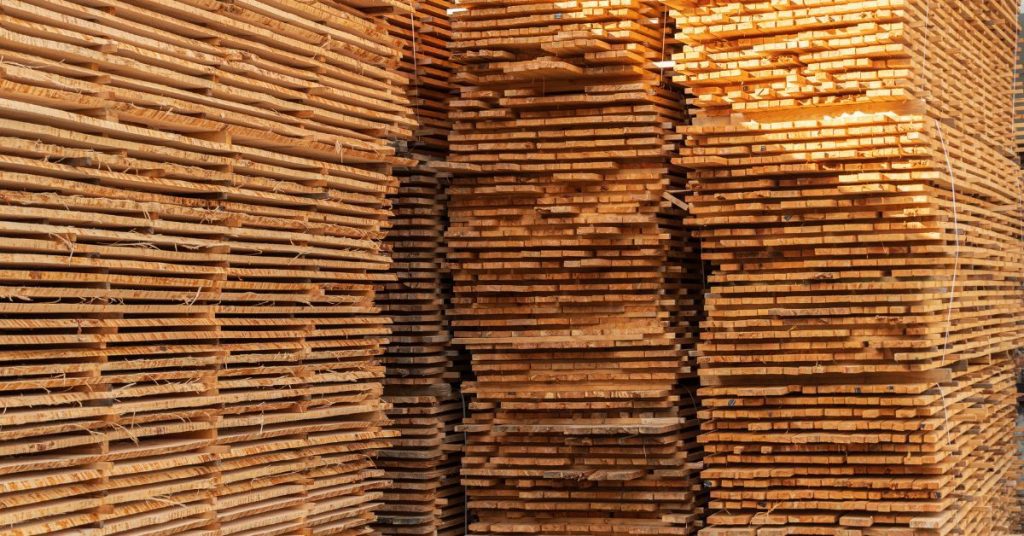
Wood is a timeless building material, but modern innovations like cross-laminated timber (CLT) and glue-laminated timber (glulam) have elevated its potential. These “mass timber” products layer and bond wood sections to create large, strong structural panels, beams, and columns. This process allows for timber use in high-rise buildings, a domain once dominated by concrete and steel.
One of timber’s greatest environmental advantages is its ability to sequester carbon. As trees grow, they absorb CO2 from the atmosphere and store it in their wood. When you use wood in the building, the carbon remains locked away for the life of the structure. Sourcing timber from sustainably managed forests ensures newly planted trees replace those harvested, creating a continuous cycle of carbon capture.
Building with mass timber is also faster and produces less waste than traditional construction methods. Components arrive prefabricated off-site to precise specifications, which streamlines the on-site assembly process. While fire safety is a common concern, mass timber performs predictably in fires, charring the outside at a slow rate while maintaining its structural integrity.
Hempcrete: The Breathable Bio-Composite
Hempcrete is a bio-composite material made from the woody inner core of the hemp plant mixed with a lime-based binder and water. It is not a structural material like concrete, but rather an insulating infill between a building’s frame. What makes hempcrete a sustainable material reshaping building architecture is its combination of environmental benefits and high performance.
Hemp is a fast-growing crop that requires minimal water and no pesticides, and it actively improves the soil it grows in. Like timber, it sequesters a significant amount of carbon during its growth. When used to create hempcrete, it results in a carbon-negative material, meaning it removes more carbon from the atmosphere than it emits during its production and application.
Hempcrete is also “breathable,” or vapor-permeable, which allows it to naturally regulate indoor humidity levels. This material helps prevent mold growth and improves indoor air quality. It provides excellent thermal insulation, reducing energy needs for heating and cooling. At the end of a building’s life, hempcrete is fully biodegradable and will return to the earth.
Forging a Greener Future
The shift toward sustainable building is more than just a passing phase; it is a fundamental rethinking of how we design and construct our environment. Materials like bamboo, cork, recycled metals, mass timber, and hempcrete are at the forefront of this movement, offering innovative solutions that reduce environmental impact without sacrificing performance or style. By embracing these materials, architects and developers can create buildings that not only serve their occupants but also contribute to a healthier planet.
The journey to a fully sustainable building industry is ongoing, but the progress made so far is inspiring. As technology and material science continue to advance, we can expect to see even more creative and eco-friendly solutions emerge.