
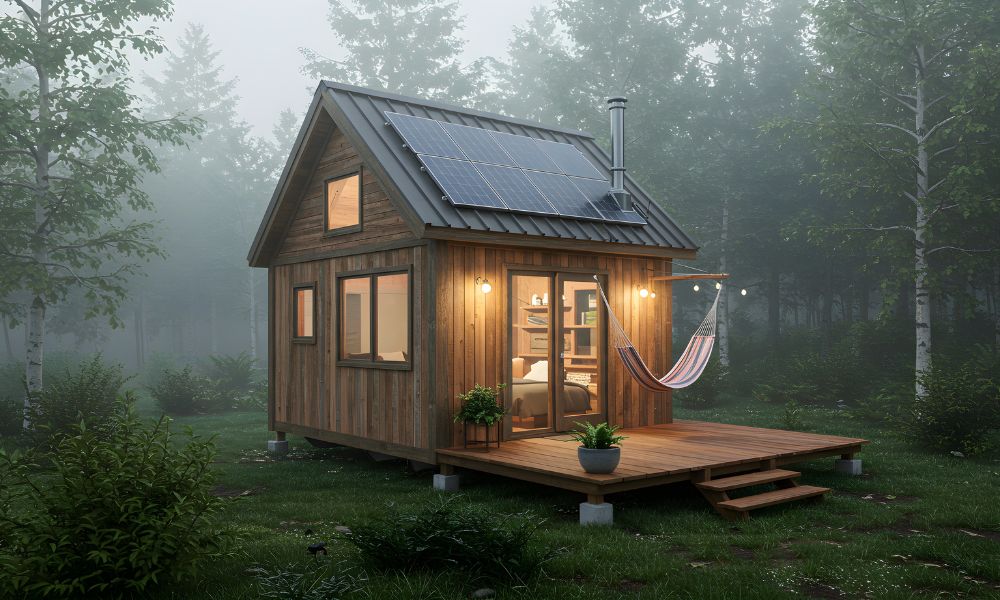
The dream of disconnecting from utility companies and creating a self-sufficient lifestyle has captured the imagination of homeowners across America. Off-grid living means constructing and maintaining a home that operates independently from public utilities like electricity, water, and sewer systems. Instead of relying on municipal services, off-grid homeowners generate their own power, collect their own water, and manage their waste through innovative systems.
This lifestyle appeals to people for various reasons. Some want to reduce their environmental footprint, while others seek financial independence from rising utility costs. Many simply crave the satisfaction of living self-sufficiently. Whatever your motivation, building an off-grid home requires careful planning, substantial investment, and a commitment to learning new skills.
The journey toward off-grid living presents unique challenges, but the rewards can transform your daily experience. From watching your solar panels power your morning coffee to collecting rainwater for your garden, off-grid living connects you directly with the resources you consume. Continue reading to explore things to know about building an off-grid home.
The Clear Benefits of Off-Grid Living
Off-grid homes offer compelling environmental advantages. Traditional homes consume electricity generated by power plants that often burn fossil fuels, contributing to carbon emissions. Off-grid systems typically rely on renewable energy sources like solar panels, wind turbines, or micro-hydroelectric systems. This shift dramatically reduces your household’s carbon footprint.
The financial benefits develop over time. While initial setup costs can be substantial, off-grid homeowners eliminate monthly utility bills. Solar panel systems often pay for themselves within 10 to 15 years through the elimination of electricity costs. Water collection systems and waste management solutions further reduce ongoing expenses.
Off-grid living also provides energy security. Power outagesdon’t affect homes with independent electrical systems. When severe weather knocks out regional power grids, off-grid homes continue operating normally. This reliability becomes increasingly valuable as climate change creates more frequent extreme weather events.
Many off-grid homeowners report increased satisfaction with their living situation. The process of generating your own power and managing your resources creates a deeper understanding of consumption patterns. This awareness often leads to more mindful living and reduced waste.
Essential Considerations Before You Start
Location selection determines the success of your off-grid project. Rural areas typically offer more flexibility for alternative building methods and independent utility systems. Explore local building codes, as some municipalities restrict or prohibit off-grid construction. Counties and states maintain different regulations regarding septic systems, well drilling, and renewable energy installations.
Climate significantly impacts system design and efficiency. Solar power generation varies dramatically between sunny Arizona and cloudy Washington State. Wind patterns, rainfall amounts, and temperature extremes all influence which renewable energy systems are most suitable for your location.
Access to your building site can significantly impact construction costs and ongoing maintenance. Remote locations may require expensive road construction or helicopter delivery of materials. Consider how emergency services, internet connectivity, and supply deliveries will reach your home.
Water availability determines your options for independent water systems. Some locations offer abundant groundwater accessible through wells, while others rely entirely on rainwater collection. Make sure you look at local water rights and drilling restrictions before purchasing land.
Critical Systems for Independent Living
Solar power systems form the backbone of most off-grid electrical setups. Modern solar panels convert sunlight into electricity with remarkable efficiency. Battery banks store excess power for nighttime use and cloudy days. Inverters convert the direct current from batteries into alternating current that powers standard household appliances.
Sizing your solar system requires calculating your daily energy consumption. LED lighting, efficient appliances, and energy-conscious habits significantly reduce power requirements. Many off-grid homeowners discover they use far less electricity than they consumed in traditional homes.
Wind and micro-hydroelectric systems can supplement solar power in suitable locations. Wind turbines work best in areas with consistent wind speeds above ten miles per hour. Micro-hydroelectric systems harness flowing water from streams or rivers to generate continuous power.
Water collection and storage systems vary based on local conditions and regulations. Rainwater harvesting captures precipitation from roof surfaces and channels it into storage tanks. Well water systems use pumps powered by your renewable energy setup. Gravity-fed systems reduce energy consumption by positioning storage tanks above the house.
When selecting the right water heater for your off-grid home, consider options such as solar water heaters, propane units, or electric models powered by your renewable energy system. Solar water heaters utilize thermal collectors to heat water directly, thereby reducing the electrical demand on your battery bank.
Waste management systems handle sewage and greywater without municipal connections. Septic systems process blackwater through bacterial decomposition. Greywater systems redirect water from sinks, showers, and laundry to irrigate gardens and landscapes. Composting toilets eliminate the need for water-based sewage systems.
Financial Planning for Your Off-Grid Project
Building off-grid typically costs more upfront than conventional construction. Solar power systems range from $15,000 to $40,000 for average-sized homes, depending on energy requirements and component quality. Battery banks add another $10,000 to $20,000 to store sufficient power for several days of autonomy.
Water systems vary widely in cost. Simple rainwater collection might cost $3,000 to $8,000, while drilling a deep well can exceed $15,000. Water storage tanks, pumps, and filtration systems add additional expenses.
Waste management systems also require significant investment. Septic system installation typically costs $8,000 to $15,000, depending on soil conditions and local requirements. Alternative systems like composting toilets or greywater treatment can reduce these costs.
However, these upfront investments eliminate ongoing utility costs. The average American household spends significant money annually on electricity and similar amounts on water and sewer services. Off-grid systems begin saving money immediately while building long-term equity in your property.
Many components offer excellent durability. Quality solar panels carry 25-year warranties and often function effectively for decades beyond. Battery technology continues improving, with modern lithium systems lasting 10 to 15 years or more with proper maintenance.
Navigating Regulations and Permits
Building codes vary dramatically between jurisdictions. Some areas welcome alternative building methods and off-grid systems, while others maintain strict requirements for grid connections. Research local regulations thoroughly before purchasing land or beginning construction.
Electrical systems typically require permits and inspections, even when disconnected from the grid. Licensed electricians may need to install or approve your renewable energy systems. Some areas require specific safety equipment, like rapid shutdown devices for solar installations.
Septic permits involve soil testing, system design approval, and installation inspections. Health departments regulate these systems to protect the quality of groundwater. The permit process can take several months and may restrict your building timeline.
Well drilling often requires permits and licensed contractors. Water rights laws vary by state and can affect your ability to drill or use groundwater. Some areas limit well depth or require environmental impact assessments.
Building permits follow standard processes in most areas, though some jurisdictions have specific requirements for off-grid construction. Alternative building materials or methods may require additional approvals or engineering studies.
Common Challenges You’ll Face
Weather dependency affects all renewable energy systems. Solar panels produce less power during cloudy periods, while wind turbines require adequate wind speeds. Battery storage helps manage these variations, but extended periods of poor weather can strain your systems.
Maintenance requirements increase with off-grid living. Solar panels need periodic cleaning, batteries require monitoring, and water systems demand regular inspection. Unlike utility services with professional maintenance crews, off-grid homeowners handle most repairs themselves.
Initial learning curves can feel overwhelming. Understanding battery management, water filtration, and waste treatment requires developing new skills and expertise. Many off-grid homeowners spend their first year learning how their systems work and how to optimize performance.
Backup systems become critical for reliable operation. Generator backup can supplement renewable energy during emergencies. Redundant water storage and treatment capabilities help during equipment failures or maintenance periods.
Social adjustment affects some off-grid homeowners. Remote locations may limit social interactions and access to amenities. Internet connectivity challenges can affect work-from-home arrangements or online education for children.
Taking Your Next Steps Toward Independence
Off-grid living offers a path toward environmental responsibility, financial independence, and personal satisfaction. The initial investment and learning curve require commitment, but the long-term benefits extend far beyond utility bill savings.
Successful off-grid living depends on thorough planning, appropriate system sizing, and realistic expectations. Start by researching suitable locations and local regulations. Connect with experienced off-grid homeowners in your area to learn from their experiences and avoid common mistakes.
Consider starting with partial off-grid systems to gain experience and understanding. Solar power installations work well as first steps, allowing you to learn system management while maintaining grid connections as backup. Water collection systems also provide valuable learning opportunities without complete utility disconnection.