
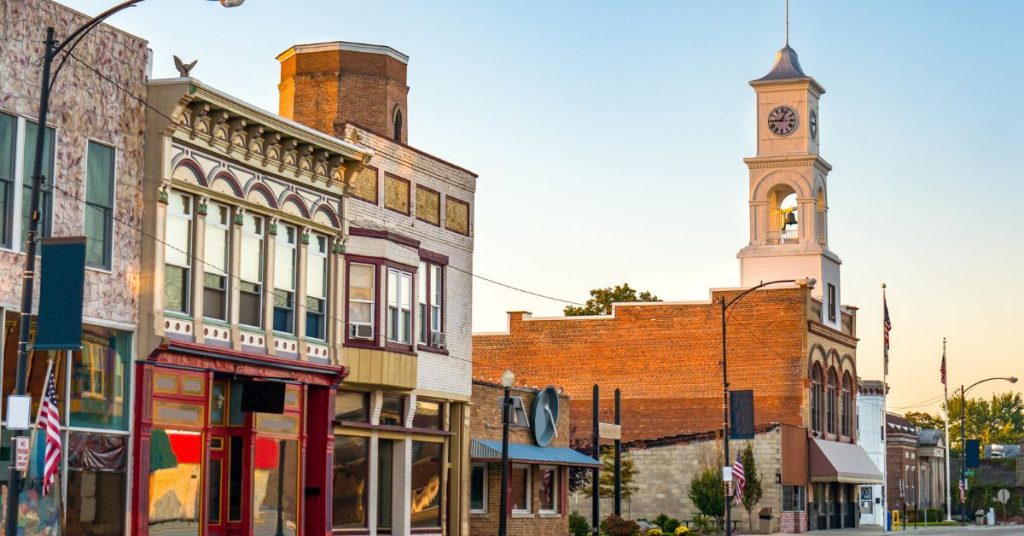
Traveling through rural areas reveals something special about architecture that urban spaces just don’t replicate. Whether it’s inventive practicality, nature-inspired designs, or homespun ingenuity, these structures capture an undeniable charm. The unique architecture you’ll rarely see outside of rural areas serves as a window into the creative problem-solving and cultural heritage of these locations, offering a refreshing counterpoint to urban uniformity.
Follow along as we unpack some standout examples of these designs. From century-old barns to unconventional modern adaptations, we’ll explore how these structures reflect the lifestyle and creativity of small-town living. Whether you nerd out over architectural forms, crave design inspiration, or just love photographing striking buildings, you’re bound to find something awe-worthy here.
Barns That Are Anything but Basic

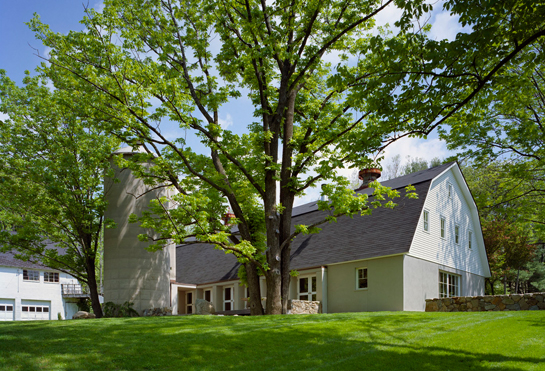
Rural barns offer some of the most recognizable symbols of country life. Yet beneath their iconic exteriors lie incredible variations and histories.
Tobacco Barns and Their Windowless Charm
Unlike the wide, open spaces of hay or dairy barns, tobacco barns are compact with ventilation gaps in their walls. Seen mostly in southern US states, their design supports air-curing tobacco, a specialized process requiring careful airflow. While their purpose has changed over the years, many of these barns remain standing as both functional structures and picturesque relics.
Round Barns
Circular barns are an architectural rarity. Built for agricultural efficiency, their design makes moving livestock safer and faster while reducing the labor of distributing hay. While round barns peaked in popularity over a century ago, they’re still a stunning visual treat when spotted on the backroads. Think of them as crop-maintenance meets architectural whimsy.
The Modern Aesthetic of Post-Frame Buildings

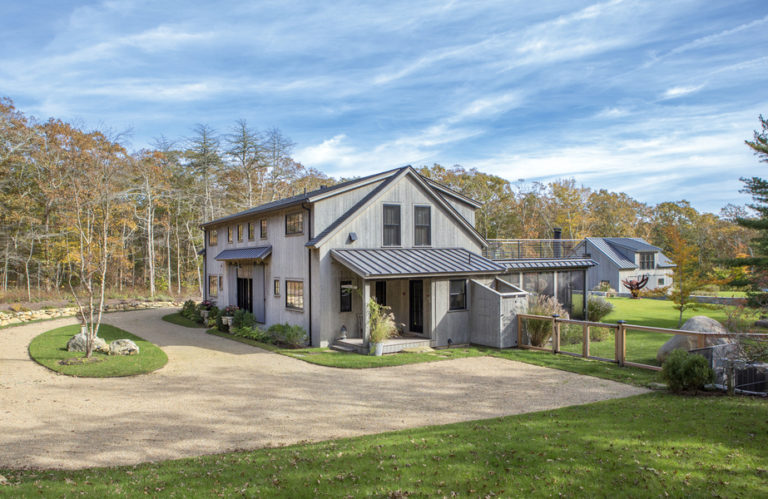
Post-frame construction isn’t limited to rural areas, but its adaptability shines brightest in these environments. Widely used for commercial, residential, and agricultural builds, post-frame buildings are an ideal solution for many small-town businesses, and they are an increasingly common sight in rural areas.
These structures use fewer materials than traditional builds, making them cost-efficient and eco-friendly. Their open interior spaces allow for airy venues like farm-to-table restaurants or artist studios. They’re often tailored with modern aesthetics like decorative siding or oversized windows, proving that rural doesn’t have to mean rustic.
Homes Rooted in History

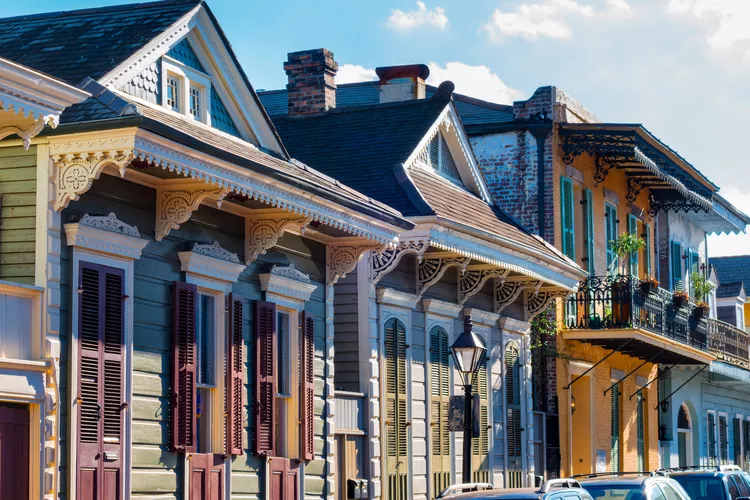
Some homes in rural areas tell stories older than the towns themselves. These architectural gems offer insight into what mattered to people long ago and how their principles still influence today’s designs.
Shotgun Houses
Found throughout the rural South, shotgun houses are narrow, single-story homes with a linear layout. They originated in the 19th century and are thought to reflect both Afro-Caribbean influences and practical ingenuity. Long, tight lots were often easier to secure, making this style perfect for maximizing a small plot of land.
Log Cabins
Log cabins have evolved far beyond their 18th- and 19th-century origins. Originally designed for frontier living, they’re made of accessible materials like timber to form durable four-season dwellings. Today, you’ll see modern interpretations with upscale finishes. Designers elevate their charm while staying true to their warm, nostalgic roots.
Architecture That Blends With Nature

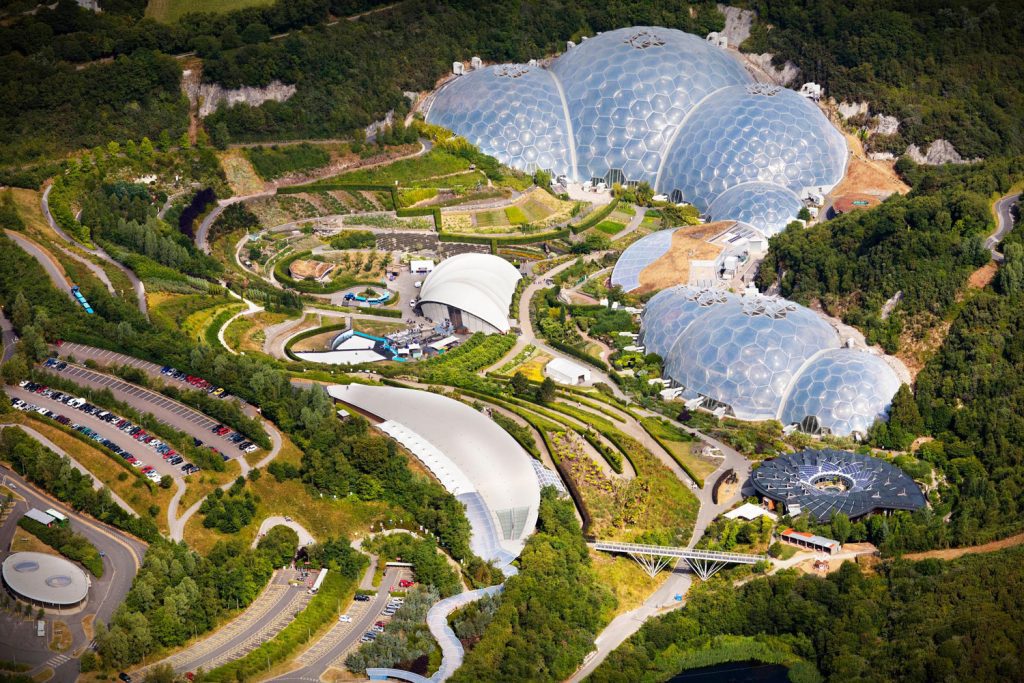
Rural areas frequently inspire architecture that harmonizes rather than competes with the natural environment. These designs are both stunning and practical, using natural elements to achieve beauty and efficiency.
Earth-Sheltered Homes
Earth-sheltered homes go beyond just looking cool. With their roofs and walls partially built into hillsides or beneath the surface of the ground, they’re energy-efficient by nature. The surrounding earth insulates the home, cooling it in summer, warming it in winter, and blending it with the landscape.
Timber-Frame Bridges
Commonly referred to as covered bridges, these beauties marry both function and charm. Timber-frame bridges were built to shield passageways from snow and rain, preserving the structure for decades. Today, they evoke a bygone sense of craftsmanship. Their quaint designs make them a favorite among photographers capturing rural America. You likely also know these icons as common features in films due to their quaint yet dramatic flair.
Architectural Playgrounds for Artists

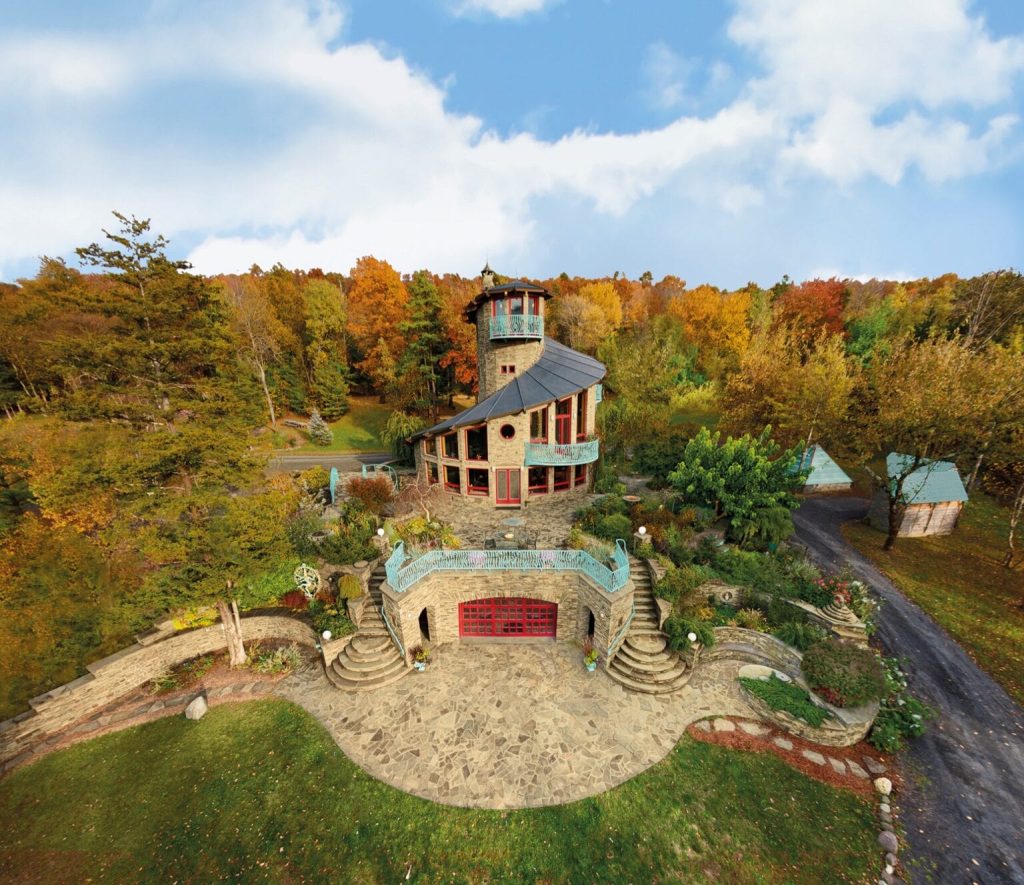
Rural areas offer unique opportunities for creative impulses to flourish. Artists, hobbyist builders, and architects alike use the remoteness and lower land costs to experiment with unconventional designs that wouldn’t thrive in cities.
Sculptural Homes
While cities have their fair share of artful building designs, rural landscapes host some that are truly imaginative. Take sculptural homes that mimic natural forms like shells or treehouses lofted in the forest canopy. Without zoning headaches or density concerns, these structures can defy traditional rules altogether.
Reclaimed Materials
Many rural builds utilize salvaged materials, such as barnwood or corrugated steel, to create striking appearances with minimal environmental impact. These eco-conscious projects turn waste into art while retaining durability and charm. For example, you might find a café crafted entirely from repurposed grain silos, offering both function and visual narrative.
The Heart and Soul of Rural Towns
Finally, think beyond individual structures and consider how the entire layout of rural spaces contributes to their atmosphere. These towns often center around a main street lined with art deco movie theaters, vintage general stores, and a blend of historic and modern facades. Some of these towns maintain strict preservation guidelines, enabling you to step back in time as you walk through them.
Rooftop lines may contrast sharply with the grid-like blandness of urban architecture, and carefully manicured public squares tie it all together in a way that’s both romantic and practical.
Why Rural Architecture Matters
It’s easy to underestimate how much life and creativity feed into rural designs. However, the structures here reflect something deeper than just function. They embody a way of life, where practicality meets artistry and nature works as a co-designer.
Whether you’re drawn to repurposed barns, experiments with sustainable designs, or simply buildings crafted with heart, the unique architecture you’ll rarely see outside of rural areas carries a quiet kind of magic. It reminds us there’s beauty outside the urban sprawl, ready to be admired, photographed, and celebrated. Next time you venture into the countryside, keep an eye out for these treasures. You may just find your new favorite design inspiration waiting in the quietest corners.