
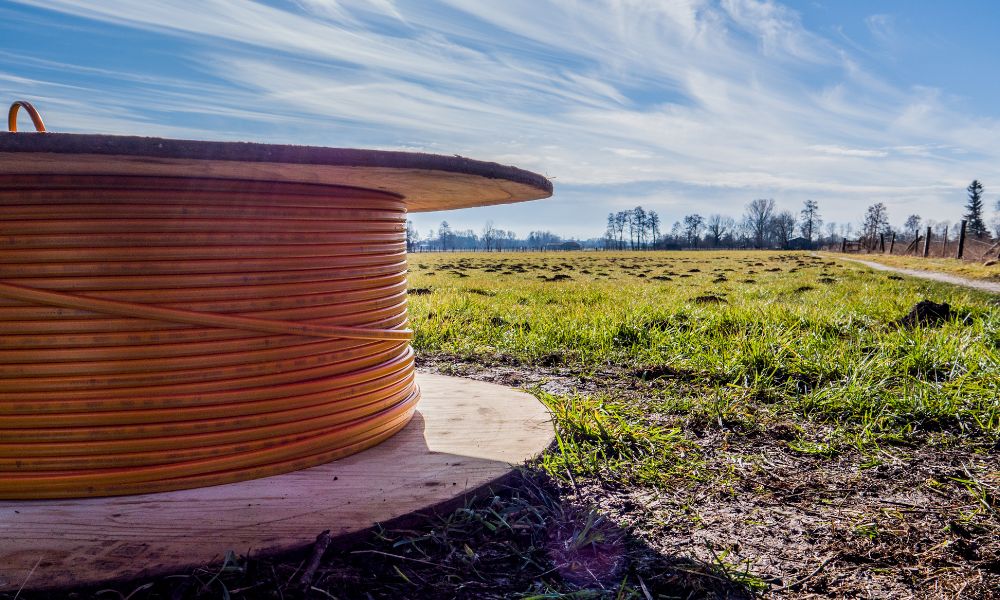
Rural communities across America face a stark reality: while urban centers enjoy blazing-fast internet speeds, millions of people in countryside areas still struggle with sluggish connections that barely support basic online activities. This digital divide creates real barriers to economic opportunity, education, and healthcare access.
Fiber optic internet represents the gold standard for broadband connectivity, delivering symmetrical upload and download speeds that can transform how rural communities work, learn, and connect with the world. Unlike traditional copper-based DSL or satellite internet, fiber networks provide the reliable infrastructure needed to support modern digital demands.
The question isn’t whether rural areas need better internet; it’s how quickly we can deploy fiber infrastructure to bridge this connectivity gap. Let’s explore why fiber internet specifically matters for rural areas and how it can unlock their full potential.
The Unique Connectivity Challenges Rural Areas Face
Rural internet infrastructure lags compared to urban networks for several interconnected reasons. Geography plays a major role—serving scattered populations across vast distances costs significantly more than wiring dense urban neighborhoods. Telecom companies often view rural markets as less profitable, leading to underinvestment in modern infrastructure.
Many rural areas still rely on aging copper telephone lines that struggle to deliver even basic broadband speeds. Satellite internet, while available, comes with high latency and data caps that make it unsuitable for bandwidth-intensive activities. Cellular coverage remains spotty in many rural regions, and even where available, mobile data plans cost more and offer less than fixed broadband options.
These limitations create cascading effects throughout rural communities. Students can’t participate effectively in online learning. Healthcare providers struggle to offer telemedicine services. Local businesses lose competitive advantages. Remote work opportunities remain out of reach for many residents.
How Fiber Internet Transforms Rural Communities
Lightning-Fast Speeds That Actually Deliver
Fiber optic networks can provide symmetrical speeds up to 1 Gbps or higher—a massive leap from the 10-25 Mbps connections common in many rural areas today. These speeds enable multiple family members to stream 4K videos, participate in video conferences, and upload large files simultaneously without network congestion.
For tech-savvy rural residents working in design, development, or content creation, fiber internet removes bandwidth bottlenecks that previously made remote work challenging. Uploading high-resolution photography projects, syncing large codebases, or collaborating on resource-intensive 3D modeling projects becomes seamless rather than frustrating.
Rock-Solid Reliability You Can Count On
Fiber networks deliver superior reliability compared to copper-based systems. Fiber optic cables resist electromagnetic interference, weather-related outages, and signal degradation over long distances. This consistency matters enormously for rural professionals who can’t afford unreliable connections during client presentations or critical project deadlines.
Business continuity improves dramatically when companies can depend on their internet connection. Rural entrepreneurs gain confidence to pursue online business models, knowing their infrastructure won’t let them down during peak usage periods.
Economic Growth and Job Creation Opportunities
High-speed fiber internet is also an economic catalyst for rural communities. Remote work opportunities multiply when residents can access the same digital tools and platforms used by their urban counterparts. Tech workers, designers, programmers, and digital marketers can live in rural areas while maintaining competitive careers.
Local businesses benefit from expanded market reach through e-commerce platforms and digital marketing channels. Agricultural operations can implement precision farming technologies that require reliable internet connectivity. Equipment rentals are critical in rural fiber projects, as communities often lack the specialized machinery needed for infrastructure deployment.
New business models emerge when fiber internet removes connectivity barriers. Rural coworking spaces become viable. Online education platforms can serve local markets. Telemedicine expands healthcare access without requiring long trips to urban medical centers.
Enhanced Healthcare and Education Access
Fiber internet transforms healthcare delivery in rural areas through telemedicine abilities. Patients can consult specialists remotely, reducing travel time and costs while accessing higher-quality care. Medical facilities can share diagnostic images and patient data instantly with urban hospitals.
Educational opportunities expand dramatically with high-speed internet access. Students can participate in virtual classrooms, access online resources, and collaborate with peers worldwide. Rural schools can offer advanced placement courses and specialized programs previously unavailable due to geographic constraints.
Higher education becomes more accessible through online degree programs and distance learning platforms. Rural residents can pursue technical certifications, professional development courses, and career changes without relocating to urban areas.
Strategic Approaches to Rural Fiber Deployment
Public-Private Partnerships Drive Progress
Successful rural fiber projects often combine public funding with private sector expertise. Government grants and low-interest loans offset high infrastructure costs, while experienced contractors handle technical deployment challenges.
State and federal broadband initiatives provide crucial funding mechanisms for rural fiber projects. The USDA’s ReConnect Program, FCC’s Rural Digital Opportunity Fund, and various state-level broadband grants help communities access the capital needed for infrastructure investment.
Community-Owned Networks Show Promise
Some rural areas pursue community-owned fiber networks when commercial providers won’t serve their markets. These municipal or cooperative networks prioritize community needs over profit margins, often delivering superior service at competitive prices.
Successful community networks require careful planning and ongoing management expertise. Technical partnerships with experienced network operators ensure reliable service delivery and network maintenance capabilities.
Overcoming Geographic and Financial Hurdles
Rural fiber deployment faces unique challenges that urban projects typically don’t encounter:
- Longer cable runs between customers increase per-connection costs.
- Difficult terrain may require specialized installation techniques.
- Lower population density reduces revenue potential per mile of infrastructure.
- Permitting and right-of-way negotiations are complex across rural jurisdictions.
- Skilled installation crews may need to travel long distances to work sites.
Creative solutions address these challenges. Aerial fiber deployment costs less than underground installation. Sharing infrastructure with existing utility networks reduces construction expenses. Phased rollouts allow communities to prioritize high-impact areas first.
The Future Looks Bright for Rural Fiber Internet
Rural fiber internet deployment accelerates as funding becomes available and technology costs decrease. Federal infrastructure investments recognize broadband as essential utilities, much like electricity and water services.
Emerging technologies like low-earth orbit satellite constellations provide interim solutions, but fiber networks offer the scalability and performance needed for long-term rural connectivity goals. As remote work normalizes across industries, rural communities with excellent internet infrastructure gain competitive advantages in attracting new residents and businesses.
The digital divide that once separated rural areas and urban America continues shrinking as fiber internet expand into previously underserved areas. Rural communities that invest in fiber infrastructure today position themselves for decades of economic growth and opportunity.
Fiber internet is absolutely essential for the future of rural area prosperity and competitiveness in our increasingly connected world.