Most homeowners wait until something breaks before calling for repairs. A burst pipe floods the basement. The furnace quits on the coldest night of winter. The roof starts leaking during a rainstorm. Sound familiar? This reactive approach might seem like you’re saving money by avoiding maintenance costs, but the reality is quite different. Preventive maintenance—taking care of your home’s systems before problems arise—is one of the smartest financial decisions you can make as a homeowner.
The difference between preventive and reactive maintenance is simple: one lets you control the timing and cost of repairs, while the other puts you at the mercy of emergencies. When you schedule regular maintenance, you’re investing small amounts consistently to avoid massive, unexpected expenses.
More importantly, you’re protecting yourself from the stress and disruption that comes with home emergencies. Let’s explore why this proactive approach makes such a significant difference to both your budget and your peace of mind.
Catching Small Plumbing Issues Before They Become Disasters
Your plumbing system is one area where prevention pays enormous dividends. A small leak under the sink might only waste a few gallons of water daily, but left unchecked, it can rot cabinet bases, damage flooring, and create mold problems that cost thousands to remediate. Regular inspections help you find trusted plumbing services that can identify worn washers, corroded pipes, and failing seals before they cause serious damage.
Consider the hidden costs of plumbing failures. A burst pipe doesn’t just mean repair bills—it means potential water damage to walls, floors, and personal belongings. Insurance might cover some costs, but you’ll still face deductibles, premium increases, and the headache of displaced living arrangements during repairs.
Annual plumbing inspections typically cost a fraction of emergency repairs and can extend the life of your entire system by decades.
HVAC Systems: The Hidden Energy Drain

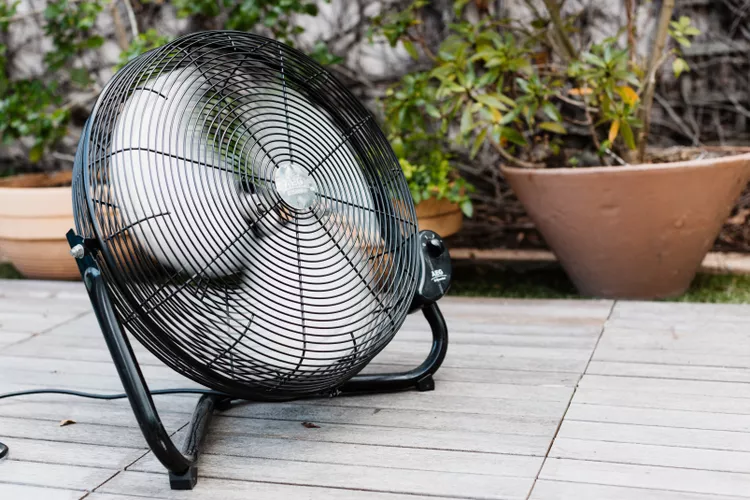
Your heating and cooling system represents one of your home’s largest energy consumers, and poor maintenance directly impacts your monthly bills. A dirty air filter forces your system to work harder, increasing energy consumption by up to 15 percent. Multiply that by twelve months, and you’re looking at hundreds of dollars wasted annually on a problem that costs less than twenty dollars to fix.
Beyond filters, HVAC systems need professional attention at least once yearly. Technicians check refrigerant levels, clean coils, inspect electrical connections, and ensure proper airflow. These seemingly minor adjustments keep your system running efficiently and prevent breakdowns during extreme weather when you need it most.
There’s nothing quite as stressful as a broken air conditioner during a heatwave or a failed furnace in freezing temperatures—situations that always seem to happen at the worst possible time and come with premium emergency service rates.
The lifespan difference is substantial, too. A neglected HVAC system might last 10-12 years, while a properly maintained one can function efficiently for 20 years or more. That’s potentially a decade of avoided replacement costs, not to mention the environmental impact of premature disposal and manufacturing of new units.
Roof and Gutter Maintenance: Protecting Your Biggest Investment
Your roof is your home’s primary defense against the elements, yet many homeowners never look at it until they see water stains on the ceiling. By then, damage has already penetrated multiple layers, potentially affecting insulation, structural wood, and interior finishes. Annual roof inspections catch missing shingles, damaged flashing, and deteriorating seals around vents and chimneys before water infiltration begins.
Gutters play an equally critical role. Clogged gutters overflow, directing water against your foundation and potentially causing basement flooding or foundation cracks. Water pooling near your home’s base can cost tens of thousands to repair properly. Cleaning gutters twice yearly—a task you can do yourself or hire out inexpensively—prevents these catastrophic problems. The alternative is foundation repairs, basement waterproofing, and the anxiety of wondering whether your home’s structural integrity has been compromised.
Appliance Care: Extending Lifespan and Avoiding Replacement Costs
Major appliances represent significant household investments, and preventive maintenance dramatically extends their useful life. Refrigerator coils collect dust, making the compressor work harder and risk premature failure. Cleaning them takes fifteen minutes twice a year. Dishwashers need filter cleaning and spray arm inspection. Washing machines require hose checks and drum cleaning to prevent leaks and mechanical failure.
Dryer vents deserve particular attention, as lint buildup creates serious fire hazards while also forcing your dryer to work inefficiently. A clogged vent can turn a 45-minute drying cycle into two hours, wasting energy and putting unnecessary strain on the heating element and motor. Cleaning the lint trap after every load and having the full vent system cleaned annually prevents these issues entirely.
If preventive maintenance helps these appliances reach their full 15-20 year lifespan instead of failing at 8-10 years, you’re avoiding the hassle of premature replacements, the disruption of living without essential appliances, and the stress of sudden breakdowns during daily routines when you need them most.
The Psychological Benefits of Prevention


Beyond the financial savings, preventive maintenance delivers something equally valuable: peace of mind. When you know your home’s systems are maintained, you’re not lying awake during storms wondering if your roof will hold. You’re not anxious about strange noises from the furnace or worried that the water heater might flood your basement while you’re at work.
This reduced stress has real value. Home emergencies are consistently rated among life’s most stressful events. They’re expensive, disruptive, and often require quick decisions when you’re least prepared to make them. Preventive maintenance puts you in control, allowing you to schedule work at convenient times, research contractors, and budget appropriately.
Creating a simple maintenance schedule transforms overwhelming home care into manageable tasks. Spring and fall are natural times for seasonal checks—HVAC service, gutter cleaning, and roof inspection. Monthly tasks like filter changes become routine. This systematic approach turns home maintenance from a source of anxiety into a satisfying responsibility you’ve mastered.
Preventive maintenance isn’t about being obsessive or spending unnecessarily. It’s about being strategic with your money and protecting your largest investment. The small, regular costs of maintenance are predictable and controllable, while emergency repairs are neither. By investing in prevention, you’re not just saving money—you’re buying yourself freedom from the stress, disruption, and financial strain of home emergencies. Your future self, standing in a dry basement with a perfectly functioning home, will thank you.