As people age, the body undergoes natural physiological changes that can increase the risk of various health conditions. Recognizing these changes early is essential for maintaining quality of life and preventing complications. Geriatrics focuses on identifying, managing, and preventing health issues that commonly affect older adults.
Healthcare providers like Liv Hospital adopt a comprehensive approach to diagnosing and managing geriatric symptoms—ensuring that patients receive timely and personalized care.
What Are Geriatric Symptoms and Conditions?
Geriatric symptoms and conditions refer to a wide range of physical, cognitive, and emotional changes experienced by older adults. These may result from aging itself, chronic diseases, or a combination of multiple health factors.
Unlike younger individuals, older adults often present multiple overlapping symptoms, making diagnosis and treatment more complex. Early recognition is key to effective management.
Common Geriatric Symptoms
1. Fatigue and Weakness
Persistent tiredness or reduced strength can be a sign of underlying conditions such as anemia, heart disease, or nutritional deficiencies. It may also indicate reduced muscle mass, a common issue with aging.
2. Memory Loss and Cognitive Changes
Occasional forgetfulness is normal, but frequent memory problems may signal more serious concerns such as mild cognitive impairment or dementia. Early evaluation can help slow progression and improve outcomes.
3. Mobility Issues and Balance Problems
Difficulty walking, joint stiffness, and poor balance increase the risk of falls. These symptoms may be linked to arthritis, neurological disorders, or muscle weakness.
4. Changes in Appetite and Weight
Unintentional weight loss or gain can indicate metabolic disorders, digestive issues, or emotional health concerns. Monitoring dietary habits is essential in geriatric care.
5. Sleep Disturbances
Insomnia or disrupted sleep patterns are common among older adults and may be associated with stress, medication side effects, or chronic conditions.
6. Mood Changes and Depression
Feelings of sadness, anxiety, or isolation should not be overlooked. Mental health plays a vital role in overall well-being and can significantly impact physical health.
Common Geriatric Conditions


1. Diabetes Mellitus
A prevalent condition in older adults, diabetes affects how the body processes blood sugar. Symptoms may include increased thirst, frequent urination, and fatigue. Proper management is crucial to prevent complications such as nerve damage or cardiovascular disease.
2. Cardiovascular Diseases
Conditions like hypertension, heart disease, and stroke are more common with age. Early symptoms may include chest discomfort, shortness of breath, and dizziness.
3. Osteoporosis and Arthritis
Bone density loss and joint inflammation can lead to pain, stiffness, and increased fracture risk. These conditions significantly impact mobility and independence.
4. Dementia and Alzheimer’s Disease
These progressive neurological conditions affect memory, thinking, and behavior. Early diagnosis allows for better planning and symptom management.
5. Respiratory Disorders
Chronic conditions such as COPD and pneumonia can become more severe in older adults, leading to breathing difficulties and reduced oxygen levels.
Why Early Detection Matters
Many geriatric conditions develop gradually and may go unnoticed until they become severe. Regular health check-ups and awareness of symptoms help:
- Prevent disease progression
- Improve treatment outcomes
- Maintain independence and quality of life
A proactive approach ensures that even subtle changes are evaluated and addressed promptly.
Comprehensive Care for Geriatric Health

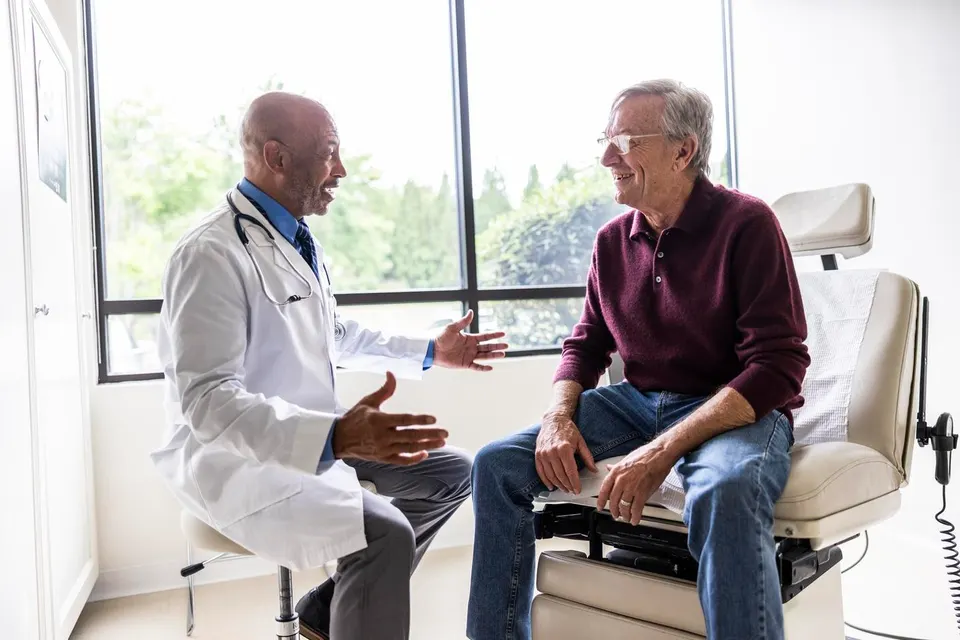
Managing geriatric symptoms requires a holistic and multidisciplinary approach. This includes:
- Routine medical evaluations
- Medication management
- Nutritional guidance
- Physical therapy and rehabilitation
- Mental health support
For a more detailed understanding of how specific conditions are identified and managed, visit GERIATRICS Symptoms and Conditions, where specialized care strategies are outlined for older adults.
Final Thoughts
Aging brings unique health challenges, but with the right awareness and care, many conditions can be effectively managed or even prevented. Understanding common geriatric symptoms and conditions empowers individuals and caregivers to take timely action and seek appropriate medical support.To further enhance your lifestyle and well-being journey, you can explore live and feel, a resource dedicated to promoting healthier living at every stage of life.