A home holds up over time when decisions are made with intention, not urgency. Those fix-it-before-it-breaks habits often separate strong homes from struggling ones. Structural integrity is not built in a day. It is shaped by choices that are repeated, refined and followed through. Yes, this is true – homes reflect the level of care they receive.
Many issues do not appear suddenly. They build quietly, layer by layer, until they demand attention. Cracks widen, moisture settles and materials weaken. These changes are gradual, yet their impact becomes serious when ignored. A well-executed improvement plan prevents that buildup. It focuses on reinforcement, not just repair.
So what does it take to keep a home solid, steady and reliable over time?
Plans matter more than quick fixes
Quick fixes often feel satisfying in the moment. A patch here, a replacement there and things seem under control. The problem is that these fixes rarely address the root cause. Before long, the same issues return, often worse than before.
A structured plan changes that pattern. It begins with inspection, followed by clear priorities. Areas of concern are identified, and solutions are mapped out step by step. This approach reduces guesswork and improves results.
Professional insight is often brought into the process. Companies like Ridgepoint Solutions are known for evaluating structural elements with precision. Their role is not just to fix visible issues. It is to assess underlying conditions and recommend improvements that hold up over time. That level of detail makes a difference.
Consider a homeowner dealing with recurring leaks. Temporary patches are applied repeatedly, yet the problem persists. Now compare that to a situation where the roof system is evaluated thoroughly. Weak points are reinforced, and drainage is improved. The issue is resolved at its source.
Does it not make more sense to fix the cause rather than the symptom?
Strong homes are built on consistent actions


Reinforcing home integrity is not about one major project. It is about consistent actions that protect the structure over time. These actions may seem routine, yet they create lasting strength.
- Inspecting structural elements regularly to catch early signs of wear
- Maintaining exterior surfaces to prevent moisture intrusion
- Addressing small repairs immediately before they escalate
- Ensuring proper drainage around the foundation
- Reinforcing vulnerable areas with durable materials
Each of these steps contributes to stability. When combined, they create a system that supports the home’s overall integrity. Skipping them, however, allows small weaknesses to grow.
There is also a pattern here. Actions repeated consistently create reliability – that builds confidence in the structure. A home that is maintained consistently responds better to stress and change.
Ever noticed how steady upkeep keeps problems from showing up out of nowhere? That consistency becomes the home’s strongest advantage. It keeps everything functioning the way it should, without constant fixes.
Materials and workmanship shape the outcome
The quality of materials and the precision of workmanship both play critical roles. Even the best plan can fail if execution is poor. On the other hand, strong materials paired with careful work create lasting results.
Durable materials are not always the most expensive ones. They are the ones suited to the home’s conditions. Weather damage, usage and structural demands all influence the right choice. Selecting materials without considering these factors often leads to premature wear.
Workmanship is equally important. Poor installation can weaken even the strongest materials. Attention to detail during installation ensures that each component performs as intended. That attention is what turns a good plan into a successful outcome.
Picture a home where materials are chosen carefully, and installation is done with precision. Years pass, and the structure remains solid. Now compare that to a home where shortcuts were taken. Repairs become frequent, and costs increase.
No. Quality is not optional. It is essential for long-term integrity.
Weak points do not stay small for long

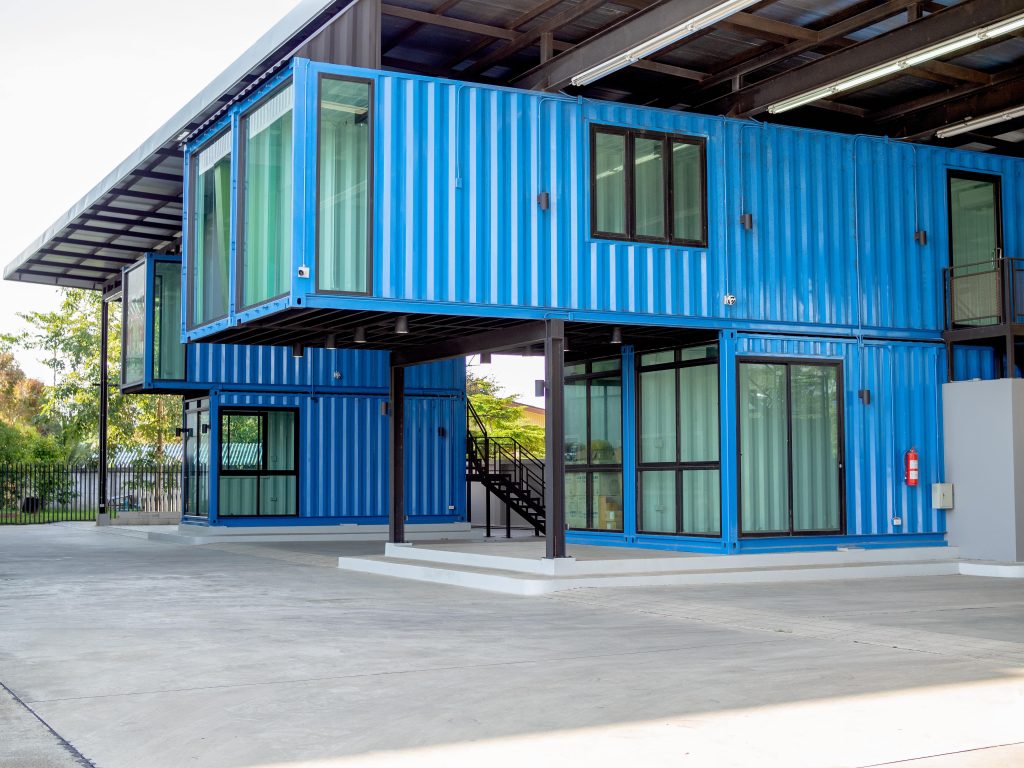
Every home has vulnerable areas. These may include roofs, foundations or exterior joints. When these points are ignored, they become sources of larger problems. Addressing them early is key to maintaining strength.
Water is often the biggest threat. It slips into small gaps and slowly forces them wider. Once inside, it affects multiple layers of the structure. Preventing that entry is far easier than repairing the damage later. Left unchecked, it quietly turns minor issues into costly structural problems.
There is also the issue of load and stress. Structural elements are designed to handle specific conditions. When those conditions change, stress points can develop. Reinforcing these areas ensures that the structure remains stable.
Think about a small crack in a foundation. At first, it seems harmless. With time, it widens, allowing moisture to enter. That moisture weakens surrounding materials, leading to further damage like mold growth, wall warping and even structural instability. What started as a minor issue becomes a major repair.
So why allow weak points to grow when they can be addressed early?
When everything works together – strength becomes natural

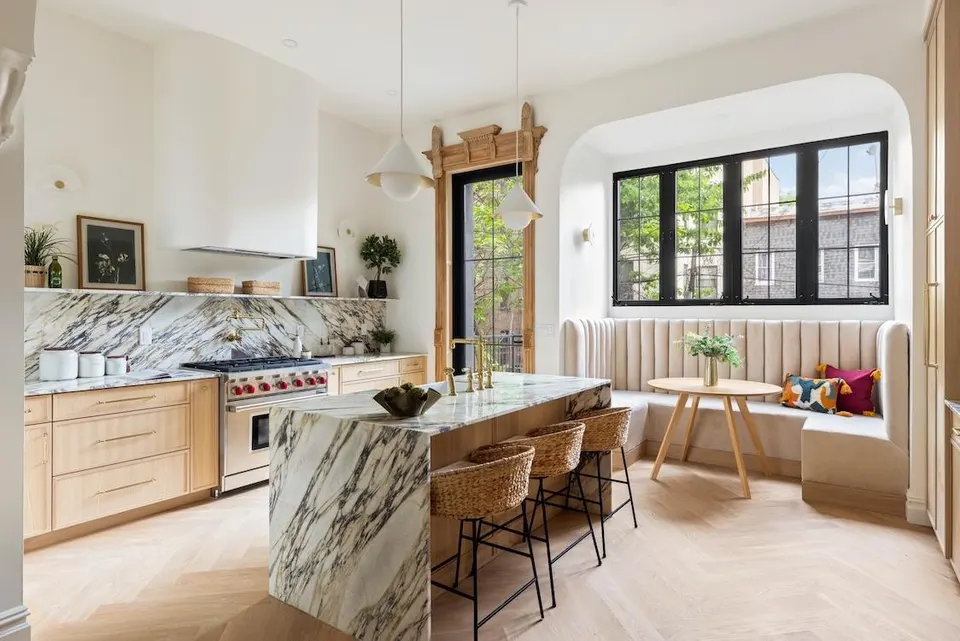
A home reaches its strongest state when all elements work together. Structure, materials and maintenance must align. When they do, integrity becomes a natural outcome rather than a constant concern.
Consistency plays a major role here. Plans are followed, actions are repeated and adjustments are made when needed. This process creates a stable environment where problems are minimized.
There is also a sense of control that comes with this approach. Issues are managed before they escalate. Costs are kept predictable. The home remains functional and comfortable.
Yes, this matters – a well-maintained home does not demand constant attention. It supports daily living without interruption.
Reinforcing home integrity is not about perfection. It is about commitment to a process. Thoughtful planning, consistent action and careful execution all contribute to lasting strength. These efforts eventually create a home that stands firm, adapts to change and continues to serve its purpose without constant strain.