When homeowners consider upgrading their heating system, the conversation usually focuses on comfort, efficiency, and energy costs. But installing a heat pump is often more than just a heating installation, it can also involve important electrical considerations. Because heat pumps rely entirely on electricity to move heat, they interact with a home’s electrical system very differently than traditional gas or oil heating equipment. Understanding heat pump electricity use and the electrical requirements for heat pump systems helps explain why many installations involve both HVAC and electrical planning.
Is A Heat Pump Gas Or Electric
A heat pump is an electric heating and cooling system. It does not burn natural gas, propane, or oil to create heat.
Instead of generating heat through combustion, a heat pump moves heat from one place to another using electricity. In winter, it pulls heat from outdoor air and transfers it inside. In summer, it reverses the process and moves indoor heat outside, working like an air conditioner.
Gas furnaces generate heat by burning fuel, while a heat pump works differently, it uses electricity to move existing heat from outside into the home. Even when outdoor air feels cold, it still contains heat energy that the system can capture.
This is why heat pumps are often grouped with electric heating systems but behave very differently from traditional electric heaters. Electric resistance heaters convert electricity directly into heat, while a heat pump moves heat using refrigeration technology, which is dramatically more efficient.
Some homes use dual-fuel systems where a heat pump works alongside a gas furnace. In those setups, the heat pump handles most heating during mild or moderate weather, while the gas furnace takes over in very cold temperatures.
However, the heat pump itself always operates using electricity, which is why understanding heat pump electricity use is important when evaluating heating options.
Do Heat Pumps Require Electricity


Every heat pump requires electricity to operate. Without electricity, a heat pump cannot run.
Electricity powers the key components that allow the system to move heat, including the compressor that circulates refrigerant through the system, the outdoor fan that pulls air across the outdoor coil, the indoor blower motor that distributes conditioned air through ductwork, and the control boards and thermostats.
The system uses electricity to run the compressor, which circulates refrigerant, the fans that move air across the coils, the blower motor that distributes air through ductwork, and the control board and thermostat.
What makes heat pumps unique is that electricity runs the system rather than generating the heat directly. The compressor uses electricity to move heat between indoor and outdoor coils, which is the core of how heat pump electricity is used during operation.
Because heat pumps transfer heat rather than generate it, they typically produce about 3-4 units of heat for every unit of electricity used. That difference explains why heat pumps can deliver two to four times more heating energy than the electricity they consume under typical conditions and why many homeowners switch from combustion heating to heat pumps.
How Much Electricity Do Heat Pumps Use And What Are Heat Pump Power Requirements
Electricity usage depends on several factors, including system size (tons or BTUs), climate, home insulation, runtime during heating or cooling seasons, and whether backup electric heat is used.
Understanding heat pump power requirements helps homeowners estimate how much electricity the system may consume during normal operation.
Most residential heat pumps operate on 240-volt electrical circuits and draw between about 3,000 and 7,000 watts while the compressor is running, depending on system size.
For typical residential systems, electricity use increases as the heat pump size goes up. Most homes use units between 2 and 4 tons, which typically draw about 3,000 to 7,000 watts while running, depending on the system size and overall heat pump power requirements.
During normal operation, the compressor may draw roughly 15-30 amps.
However, the number that often surprises homeowners is the backup heat. When outdoor temperatures drop very low, many systems activate electric resistance heat strips. These strips can add about 5,000-20,000 watts of additional demand and may draw significantly more power than the compressor.
This is the same type of heating element found in electric furnaces. During extreme cold, the total electrical load of the system can be several times higher than the compressor alone.
That’s why electrical capacity matters so much with heat pumps, and why modern cold-climate heat pumps are designed to minimize the use of backup heat whenever possible. Backup heat can significantly increase total heat pump power requirements during very cold weather.
In practical terms, many homeowners still see lower overall heating energy use compared to electric resistance heating because the system moves heat rather than producing it.
Heat Pump Electrical Requirements For Home Installation
Most residential heat pump systems require specific electrical connections to operate safely and reliably.
Understanding the heat pump electrical requirements for a home installation helps ensure the system operates correctly and meets safety codes.
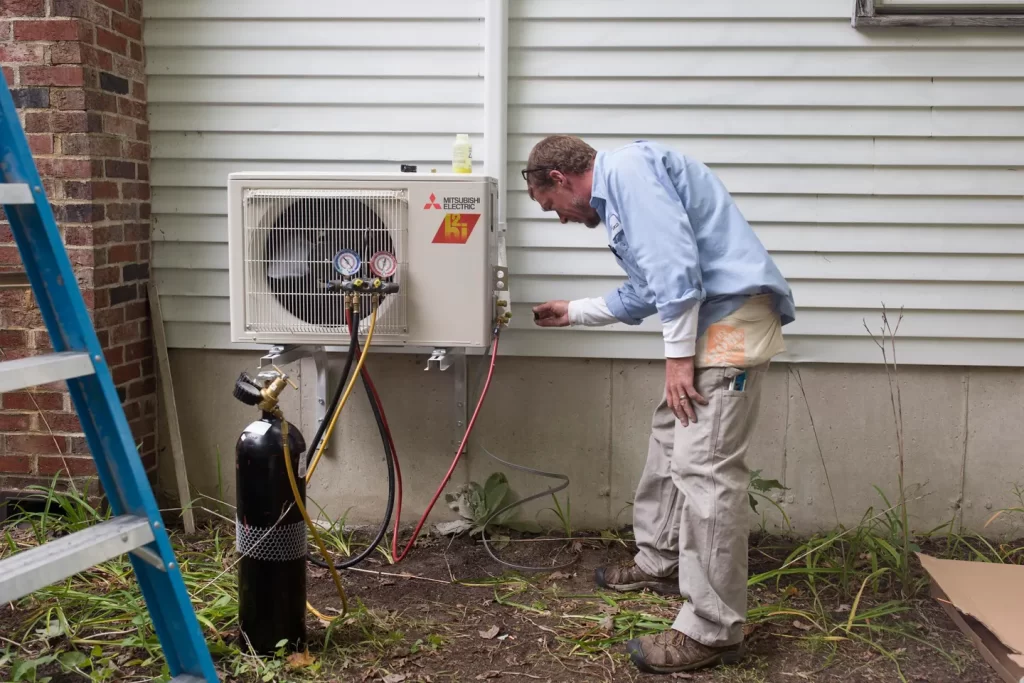
The outdoor unit is usually connected to its own dedicated 240-volt circuit with a breaker that commonly ranges from 30-60 amps. Dedicated wiring runs from the electrical panel to the condenser, and electrical code requires an outdoor disconnect box installed near the unit for safety during service.
These are core electrical requirements for heat pump systems that installers must follow during installation.
If the system includes electric backup heat, the indoor air handler may also require its own 240-volt circuit. Breaker size depends on the size of the heating elements and can range from about 20-60 amps.
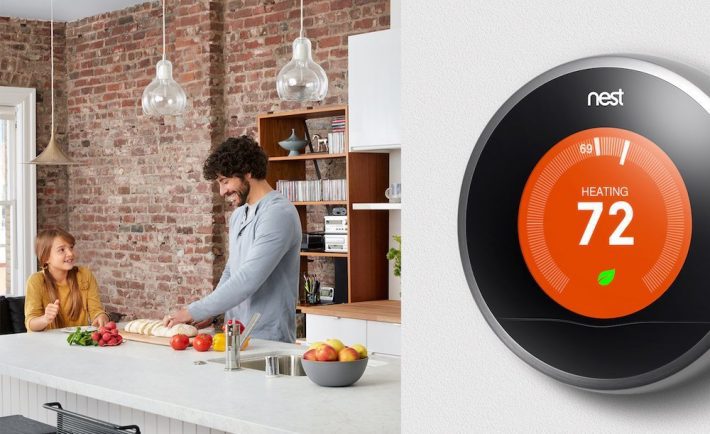
The thermostat and system controls operate on low-voltage (24-volt) wiring. This control wiring allows the thermostat to communicate with the system and control heating, cooling, defrost cycles, and auxiliary heat modes.
An HVAC contractor or electrician ensures all wiring meets local electrical codes and manufacturer specifications, and the exact heat pump electrical requirements vary by system capacity and manufacturer guidelines.
Heat Pump Electrical Wiring Requirements Explained

During installation, several electrical connections must be properly installed and protected.
These heat pump electrical wiring requirements ensure that the system operates safely and reliably.
High-voltage wiring connects the main electrical panel to the outdoor unit and powers the outdoor condenser. It typically uses 240-volt wiring with appropriately sized conductors. The wire gauge and breaker size are determined by the system’s maximum circuit ampacity (MCA) listed on the unit nameplate.
Following proper heat pump electrical wiring requirements is critical because incorrect wiring can damage equipment or create electrical hazards.
Low-voltage thermostat wiring links the thermostat to the indoor air handler and outdoor unit. Multiple thermostat wires coordinate communication between the thermostat, indoor air handler, and outdoor condenser. These signals control compressor operation, reversing valve direction, fan speed, and defrost cycles.
Because heat pumps switch between heating and cooling automatically, control wiring is more complex than in traditional furnace systems.
An outdoor disconnect box is installed within sight of the unit and allows technicians to safely shut off power during service.
Grounding and protection are also required. Equipment grounding protects against electrical faults, and wiring must follow National Electrical Code (NEC) guidelines.
Correct wiring is critical because improper electrical connections can lead to system failures, nuisance breaker trips, or compressor damage. These safety measures are all part of standard heat pump electrical wiring requirements.
When Is An Electrical Panel Upgrade For Heat Pump Needed
An electrical panel upgrade for heat pump installations may be necessary when the existing panel cannot safely support the new electrical load.
Panel upgrades are most often required in homes built before the 1990s, especially those with 100-amp service.
Older homes often have 100-amp panels, which may struggle to handle modern loads. A panel may already support electric range, clothes dryer, dishwasher, water heater, lighting, and electronics.
Adding a heat pump, particularly one with electric backup heat, can push the total load beyond what the panel was designed to handle. Backup heat strips can draw 40-60 amps or more, which may exceed what an older panel can provide.
In these cases, an electrical panel upgrade for heat pump systems is often recommended.
Even if the panel has enough capacity, it must also have open breaker slots for new circuits.
Upgrading to a 200-amp panel is often recommended when installing electrified heating systems. Many contractors evaluate whether an electrical panel upgrade for heat pump installations will improve long-term electrical capacity.
Contractors usually perform a load calculation to determine whether the panel has enough capacity or if a 200-amp upgrade is recommended.
How Heat Pump Electricity Use Compares To Gas Heating

Heat pumps and gas furnaces use different energy sources, so comparing them involves both efficiency and fuel costs.
Gas furnaces and heat pumps use completely different approaches to heating. A gas furnace converts fuel into heat through combustion, so its efficiency is limited by how much energy from the fuel can be captured. Even high-efficiency models typically reach 90-98% efficiency.
Heat pumps transfer heat rather than generate it. They work more like refrigerators in reverse, moving heat from outdoor air into the home instead of producing it.
Because heat pumps move heat, they can deliver two to four times more heat energy than the electricity they consume. This results in roughly 200-400% equivalent efficiency, meaning they deliver two to four units of heat for every unit of electricity used.
This efficiency is one reason heat pump electricity consumption often results in lower total energy use compared with resistance heating.
However, operating costs depend on local electricity prices, natural gas rates, climate conditions, and home insulation.
In many regions, heat pumps are cheaper to operate during moderate temperatures, while gas systems may be more economical during extreme cold. The actual cost difference depends on local electricity and gas prices, but from an energy standpoint, heat pumps move far more heat than the electricity they consume.
Electrical Requirements For Heat Pump Systems Homeowners Should Check
Before installing a heat pump, homeowners should confirm a few electrical details.
The overall electrical requirements for heat pump systems should be evaluated before installation.
Electrical panel capacity should be checked to determine whether the panel has enough available amperage and breaker space. Even if the panel has enough capacity, it still needs available breaker slots for the new circuits.
Service size is another factor. Homes with 100-amp service may need upgrades if additional electrified appliances are planned.
Heat pumps must run on dedicated circuits rather than shared circuits with other appliances, which is one of the basic electrical requirements for heat pump systems.
The existing wiring condition should also be evaluated. Older homes may require updated wiring to safely handle higher electrical loads and meet modern electrical codes.
Local codes also require an outdoor disconnect box installed near the outdoor unit.
A licensed HVAC contractor or electrician typically performs a load calculation to verify that the system can be safely supported and to confirm whether the existing electrical system can support the heat pump safely.
Why Installing A Heat Pump Often Requires Higher Heat Pump Electrical Requirements
Installing a heat pump is frequently viewed as an electrification upgrade because it shifts heating away from fossil fuels and toward electricity.
Switching to a heat pump increases the home’s reliance on electricity. Traditional heating systems, gas, oil, or propane, rely on fuel delivered through pipelines or storage tanks, while heat pumps shift that energy demand onto the home’s electrical system.
As a result, installing a heat pump often increases the home’s electrical demand and overall heat pump electrical requirements.
For many households, the heat pump becomes one of the largest electrical loads in the home, alongside major appliances like electric ranges or EV chargers.
Heat pumps usually require dedicated high-voltage circuits and sometimes additional circuits for auxiliary heat. In some homes, this leads to new dedicated electrical circuits, updated wiring, and disconnects that meet heat pump electrical requirements.
Older electrical panels may also need to be replaced with larger 200-amp service panels to support modern electric appliances and the higher electrical demand.
Once a home upgrades its electrical capacity, it also becomes easier to add technologies like electric vehicles, electric water heaters, solar panels, and battery storage.
For many homeowners, installing a heat pump is part of a broader transition toward all-electric homes and improved energy efficiency. That’s why heat pump installation is often treated as both an HVAC upgrade and an electrical infrastructure upgrade.