Designing a home often begins with excitement, yet small decisions quickly become overwhelming. That all-of-this-should-all-match-perfectly mindset tends to create pressure rather than clarity. Rooms are styled individually, yet the whole space feels disconnected over time. Style is prioritized, while function quietly takes a back seat. Here’s the problem, though: a home that looks good but does not work well will never feel complete. Balance is not accidental, it is built through thoughtful choices that support both comfort and use.
Modern homes are expected to do more than ever before. Spaces are used for work, rest and daily routines all at once. When design ignores practicality, those spaces begin to feel frustrating instead of functional. Would a home feel cohesive if every room followed a different purpose without connection? That question often reveals where design falls short. Cohesion comes from consistency, while practicality ensures the space is actually lived in.
Start With A Clear Foundation Before Style Takes Over


A cohesive interior begins with a strong base, not decorative details. Materials, colors and textures should be selected with purpose from the start. When this foundation is clear, every addition feels intentional instead of random. Without it, design decisions start conflicting with one another.
Flooring plays a major role in setting that base – it connects every room visually and functionally. Carpet flooring, especially, adds warmth and comfort while helping maintain a consistent look across spaces. This layer also softens transitions between rooms, making the overall design feel more unified.
Working with a quality carpet flooring company ensures that materials are selected based on durability as well as appearance. Picture a home where each room has a different flooring type without a clear transition. Movement feels interrupted – and the entire space loses its flow. Now compare that to a home where flooring is consistent or thoughtfully varied. The second feels connected and easier to navigate. Why overlook the foundation when it shapes everything above it?
Keep Design Consistent Or Watch It Fall Apart Quickly
Consistency does not mean every room should look identical. It means elements should relate to one another in a clear way. Colors should repeat subtly, materials should complement each other and finishes should align across spaces. When these connections are missing, the home feels scattered.
A simple approach is to select a core palette and build around it. This creates visual continuity without limiting creativity. Accents can vary, yet the base remains recognizable. And, no, adding more decor does not fix inconsistency. It often makes the problem more noticeable.
Lighting also plays a key role in maintaining consistency. Fixtures should follow a similar tone or style so transitions feel natural. When lighting changes too drastically between rooms, the overall design feels disconnected. This is where small adjustments create a big impact. Better still, use LED lighting to maintain consistent brightness and tone across spaces while improving energy efficiency.
Design For Real Life Not Just Visual Appeal
A home should not be treated like a showroom, it should support daily routines. Furniture placement, storage and movement paths must be considered carefully. When these elements are ignored, even the most stylish interiors become impractical.
Spaces should be designed based on how they are used, not how they are photographed. High-traffic areas require durable materials, while quiet spaces can focus more on comfort. This balance ensures that design supports everyday living.
Consider a scenario where a family designs a living room with delicate materials and limited storage. It looks impressive at first, yet daily use quickly reveals its limitations. Now picture a space where durability and comfort are prioritized alongside style. The second space performs better over time. That difference comes from planning – planning that considers real life.
Would a home feel comfortable if every surface required constant care? That question highlights the importance of practicality. A well-designed home should reduce effort, not increase it.
Lock In Design Habits That Keep Everything Working Together

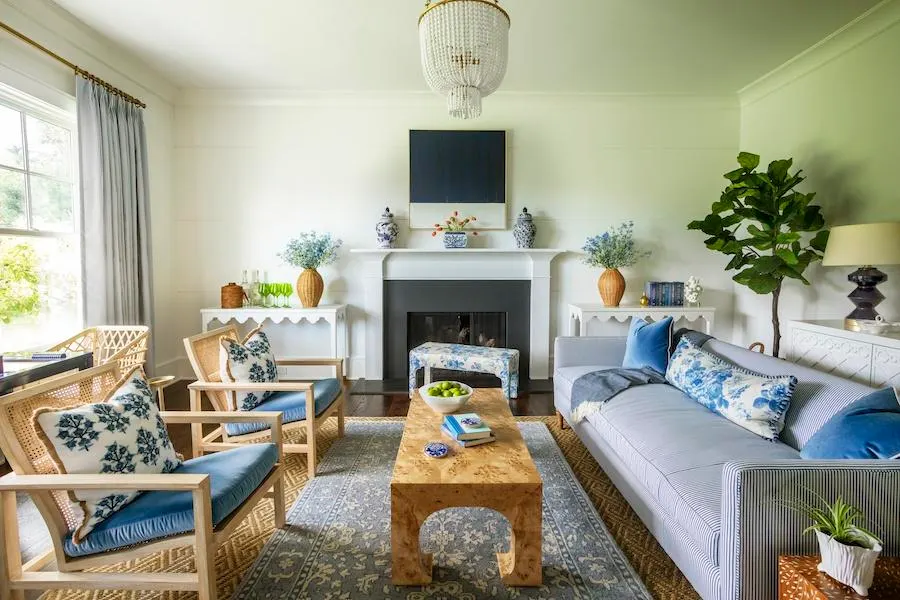
Strong design is maintained through consistent habits, not one-time decisions. These habits ensure that style and practicality remain balanced over time.
- Materials should be chosen based on durability as well as appearance
- Color palettes should remain consistent across connected spaces
- Furniture should be placed to support movement and function
- Storage solutions should be integrated into the design early
- Lighting should be aligned to maintain visual consistency
- Maintenance needs should be considered before finalizing materials
These habits create structure that supports cohesion. When followed, they prevent small inconsistencies from becoming larger issues. Remember that good design in homes is not just about starting strong, it is about staying consistent. Without these habits, even well-planned interiors begin to lose balance.
Stay Flexible Because Homes Evolve Over Time
Design should not remain fixed. Homes change as needs shift. New routines, new furniture and new priorities reshape how spaces are used. Flexibility allows interiors to adapt without losing their core identity.
Modular furniture and adaptable layouts make this process easier – they allow spaces to evolve without major redesign. This approach supports long-term usability while maintaining visual harmony. It also reduces the need for constant updates.
Picture a home where layout changes are required due to new needs. One space struggles to adjust, while another adapts easily. The adaptable space was designed with flexibility in mind. That foresight prevents disruption and keeps the design intact. Why design a space that cannot evolve with its users?
Flexibility also supports sustainability, which has become a growing focus in design trends. Homes are now expected to last longer without constant replacement of materials. This shift reflects a broader awareness of long-term impact.
Finish With A Space That Feels Connected And Works Effortlessly
A cohesive interior is one where every element supports the next. Style and practicality are not separate goals, they work together to create a complete space. When this balance is achieved, homes feel both comfortable and functional.
There is a quiet sense of ease in a home that works well. Movement feels natural, maintenance feels manageable and design feels intentional. That outcome does not come from luck, it comes from consistent decisions and thoughtful planning. Each choice contributes to a space that feels connected – a space that performs as well as it looks.
What defines a successful interior, appearance or usability? The answer shapes every design decision moving forward. When both are balanced, homes become spaces that are not only seen, but truly lived in.