
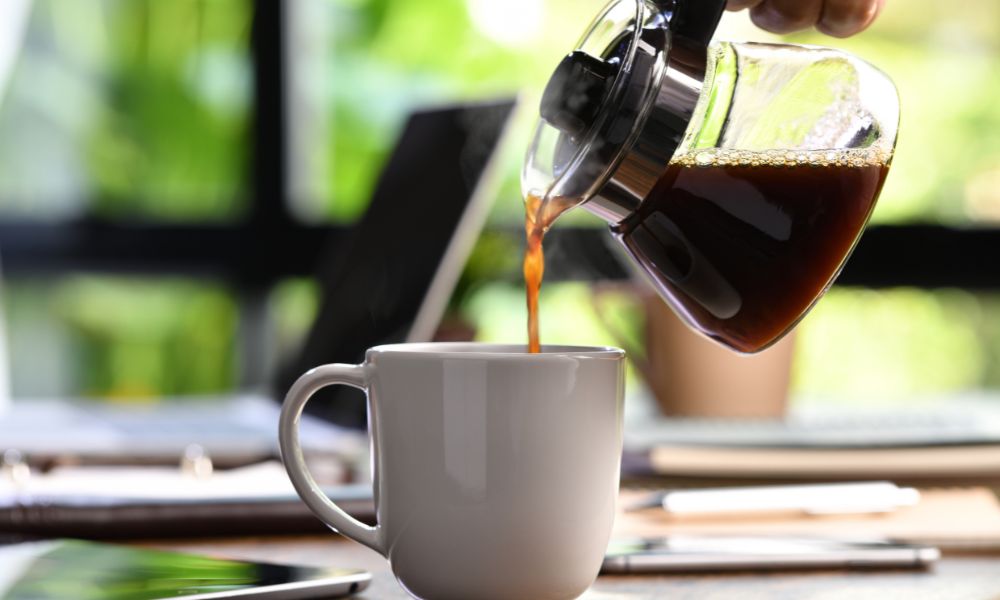
You drag yourself to the kitchen each morning, fire up your coffee maker, and pour that first cup—only to grimace at the bitter, weak, or downright awful taste. Sound familiar? You’re not alone. Millions of coffee drinkers struggle with subpar brews without understanding why their morning ritual falls short of café-quality standards.
The good news? Most coffee problems stem from a handful of fixable issues. Whether you’re a developer pulling all-nighters, a designer perfecting your latest project, or trying to stay upbeat in the office, getting your coffee right can transform your entire day. Let’s debug your brewing process and identify the culprits behind your disappointing cup.
Your Coffee Beans Are Past Their Prime
One of the most common reasons your coffee may not taste good is related to the beans. Fresh coffee beans make all the difference, yet most people treat coffee like a shelf-stable product. Coffee reaches peak flavor within two to four weeks of roasting, then gradually loses complexity. You’re then left with stale, flat notes.
Check the roast date on your coffee bag—not the expiration date. If you can’t find a roast date, that’s already a red flag. Pre-ground coffee deteriorates even faster, losing significant flavor within hours of grinding due to increased surface area exposure to oxygen.
The fix: Buy whole beans from local roasters or specialty coffee companies that clearly mark roast dates. Then don’t just set it and forget it; instead, store beans in an airtight container away from light, heat, and moisture. Skip the freezer unless you’re storing beans for more than a month—constant temperature changes actually damage the beans.
You’re Using the Wrong Grind Size
Grind size affects extraction, which determines whether your coffee tastes balanced, bitter, or sour. Too fine, and you’ll over-extract bitter compounds. Too coarse, and you’ll under-extract, leaving you with weak, sour coffee.
Different brewing methods require specific grind sizes. Espresso needs fine grounds, drip coffee works best with medium grounds, and French press calls for coarse grounds. Using a blade grinder compounds the problem by creating inconsistent particle sizes—some grounds over-extract while others under-extract in the same cup.
The fix: Invest in a burr grinder for consistent particle size. Match your grind to your brewing method, and adjust finer if your coffee tastes sour or coarser if it tastes bitter. Grind beans just before brewing for maximum freshness.
Your Water Quality Needs Work
Water comprises 98% of your coffee, yet most people ignore its impact on flavor. Hard water with high mineral content can make coffee taste flat or chalky. Soft water can make coffee taste sharp or metallic. Chlorinated tap water adds chemical flavors that overpower subtle coffee notes.
The fix: Use filtered water or bottled water with balanced mineral content. Avoid distilled water—it lacks the different minerals needed for proper extraction. If you’re serious about coffee quality, consider a water testing kit to dial in your mineral levels.
You’re Getting the Ratios Wrong
Eyeballing coffee measurements leads to inconsistent results. Too little coffee creates weak, watery brews. Too much coffee wastes beans and can create bitter, overwhelming flavors.
The Golden Ratio suggests 1:15 to 1:17 (coffee to water), but this varies by brewing method and personal preference. A kitchen scale eliminates guesswork and ensures repeatability—crucial for debugging brewing problems.
The fix: Use a digital scale to measure both coffee and water. Start with a 1:16 ratio (for example, 25g coffee to 400g water) and adjust from there. Keep notes on what works for your taste preferences and brewing setup.
Your Water Temperature Is Off
Water temperature directly affects extraction speed and which compounds dissolve from the coffee grounds. Boiling water (212°F) burns coffee and creates bitter flavors. Water that’s too cool (below 195°F) under-extracts, resulting in sour, weak coffee.
The optimal brewing temperature sits between 195°F and 205°F. Most automatic drip makers don’t even reach this range, which explains why home coffee often disappoints compared to café quality.
The fix: Use a thermometer or temperature-controlled kettle. If you don’t have either, bring water to a boil, then let it sit for 30 seconds before pouring. This typically drops the temperature to the ideal range.
You’re Over- or Under-Extracting
Extraction time determines which flavors emerge from your coffee grounds. Under-extraction pulls out acidic compounds first, creating sour, thin coffee. Over-extraction continues pulling bitter compounds long after the good flavors have dissolved.
Different brewing methods require different contact times. Espresso extracts in 25-30 seconds, pour-over takes 4-6 minutes, and French press needs 4 minutes of steeping.
The fix: Time your brewing process and adjust accordingly. If coffee tastes sour, increase extraction time or use finer grounds. If it tastes bitter, decrease extraction time or use coarser grounds.
Your Equipment Needs Cleaning
Another often-forgotten reason for poor-tasting coffee comes from a dirty machine. Coffee oils turn rancid and create off-flavors that no amount of fresh beans can overcome. Mineral deposits from hard water also affect extraction and taste. Many coffee makers and grinders never get properly cleaned, accumulating months or years of residue.
If you’re using the coffee pot at work, take a break from the grind to clean things up. Your coworkers will thank you!
The fix: Clean your equipment weekly. Run a vinegar solution through automatic coffee makers monthly. Wash manual brewing devices with hot, soapy water after each use. Clean your grinder monthly by running rice through it to absorb oils and remove residue.
Your Brewing Technique Needs Refinement
Even with quality beans, proper grind, and good water, poor technique can ruin coffee. Uneven pouring in manual methods creates uneven extraction. Letting coffee sit on hot plates burns it. Using dirty filters adds papery flavors.
The fix: Learn proper technique for your brewing method. Pre-wet paper filters to remove papery taste. Pour slowly and evenly for manual methods. Remove coffee from heat sources immediately after brewing.
Brew Better Coffee Starting Tomorrow
Great coffee doesn’t require expensive equipment or professional training—just attention to the fundamentals. Focus on one variable at a time. If your coffee tastes sour, try a finer grind or longer extraction before changing your bean-to-water ratio. Keep notes on what works so you can replicate successful brews.
Your morning coffee should energize and delight, not disappoint. With these troubleshooting tips, you’ll transform your daily brewing routine from frustrating guesswork into a reliable system that delivers consistently great results.