
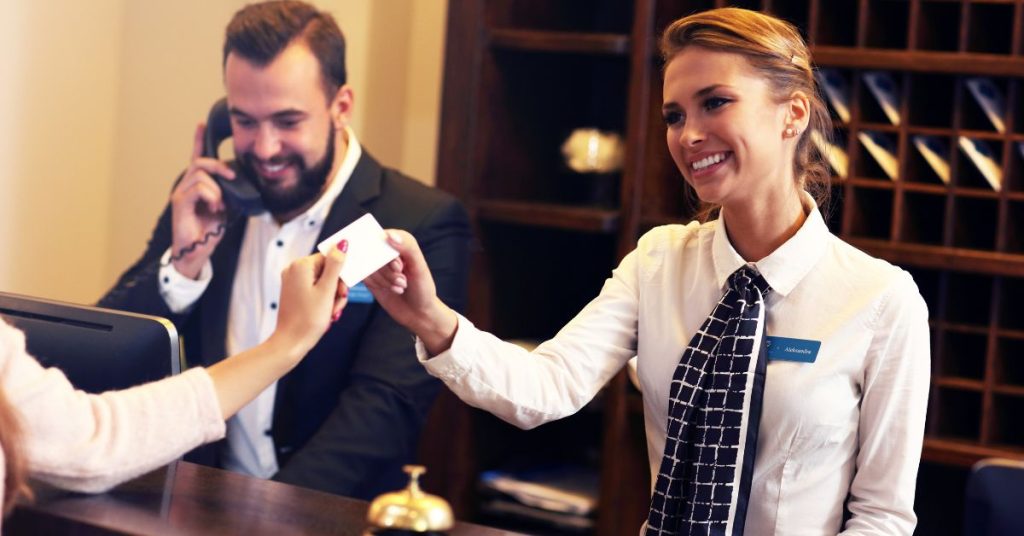
Guest safety is a top priority for any successful hotel. With tourists, business travelers, and families trusting you to provide not only comfort but also security, it’s essential to establish a robust safety framework. Today’s dangers range from physical accidents to cybersecurity breaches, making it imperative to address every aspect of safety. For your own business, learn some critical ways to make your hotel safer for guests.
Strengthen Guest Room Security
The guest room is the most private space a hotel can offer, and ensuring its safety is non-negotiable. Start by installing high-quality locks, such as electronic key card systems or smart locks that you can monitor in real-time. These systems minimize the risks associated with lost or stolen keys while offering added convenience for guests. Additionally, door peepholes and secondary locking mechanisms, like safety latches or chain locks, can enhance guest peace of mind.
Another effective approach is to focus on windows; ensure they are securely lockable, especially in rooms on lower floors. For emergency exits, such as those designed for fire safety, ensure they are accessible to guests but restricted to potential intruders. Regular maintenance of these security features will guarantee they remain functional over time.
Invest in Staff Training and Awareness
Your staff plays a pivotal role in maintaining hotel safety. Whether it’s the front desk receptionists, housekeeping teams, or security personnel, each employee must be well-trained to handle emergencies and identify potential security threats. Conduct regular training sessions focused on areas like fire evacuation procedures, managing unruly individuals, and conflict resolution.
Encourage a culture of vigilance among your team members. Empower them to report unusual behaviors or security issues immediately, ensuring proactive responses. Training employees to handle sensitive guest information with care is essential in the digital age; the more diligent your staff is about safety, the more secure your hotel will be.
Utilize Surveillance Systems
Surveillance technology acts as both a preventive and reactive measure when it comes to improving hotel safety. Security cameras strategically placed in public areas—such as lobbies, hallways, and entrances—create a visible deterrent against theft and misconduct. High-quality video surveillance also aids in monitoring staff actions, ensuring adherence to safety protocols.
Modern surveillance systems have features like motion detection, night vision, and real-time alerts, which significantly boost their effectiveness. However, it’s vital to balance security and privacy; avoid installing cameras in private areas, including restrooms or guest rooms. By adhering to ethical practices, you can reassure your guests that their safety and privacy are equally valued.
Enhance Your Parking Lot
The parking lot is often an overlooked area when it comes to security, even though many threats originate there. A poorly lit or unsecured parking space can invite theft, vandalism, or unwanted behavior, creating potential safety hazards for guests and their vehicles. Start by installing bright lighting throughout the parking area; LED lights provide a number of benefits that you should consider when evaluating your own needs. Visibility alone can significantly deter criminal activity.
Consider fitting parking lots with robust CCTV camera systems that cover blind spots. Physical barriers like gates and controlled entry can improve security and help monitor who enters and exits. To make guests feel even more at ease, employ on-site security personnel to patrol throughout the day and night. Regular maintenance of the parking area, from ensuring no locks are tampered with to cleaning up debris, can further contribute to a sense of safety and professionalism.
Focus on Fire and Emergency Safety
Equip your property with smoke detectors, fire extinguishers, and sprinkler systems in compliance with local regulations and standards. Place clear evacuation maps in each room and along hallways, and ensure that staff and guests are familiar with emergency escape routes. Conduct regular fire drills and inspections to identify vulnerabilities and ensure equipment is in working order.
Emergency preparedness should extend beyond fires. Equip your hotel with first aid kits and ensure staff are trained in basic first aid and CPR. Establish a clear communication system so that guests can easily contact hotel personnel during an emergency. Apps, phone lines, or even panic buttons in rooms can streamline assistance.
Leverage Advanced Technology for Safety
Technology has transformed how hotels ensure the safety of their guests. Smart check-in systems using facial recognition or mobile devices eliminate the need for physical ID checks at the desk, reducing the risk of identity theft. Similarly, keyless room access via smartphone apps makes navigating your hotel not only safer but also more convenient for guests.
Cybersecurity is equally critical in today’s digital-first world. On average, hotels handle a significant amount of sensitive guest data, including personal identification and payment information. Employ secure, encrypted networks and firewall systems to guard against breaches. Regularly update your software and educate both guests and staff on best practices for staying safe online, such as avoiding phishing attempts.
Create a Culture of Guest Communication
Guests are more likely to feel safe when they are informed, so establish clear channels of communication for sharing safety information. This can include signage around the hotel detailing emergency plans, safety protocols printed within guest handbooks, or even a text messaging system that updates guests in real-time regarding any potential issue.
Transparency is key when addressing any incidents. If there is an unforeseen safety situation, such as a blackout, natural disaster, or data breach, inform guests promptly and provide updates as you resolve the problem. Building trust through communication reassures guests that their well-being is your priority.
Regular Maintenance and Inspections
No safety measure is complete without regular checks and upkeep. Equipment failures, such as defective surveillance cameras, faulty sprinklers, or damaged locks, can jeopardize all other efforts to maintain safety. Schedule routine inspections of your security systems, fire safety equipment, and physical features like staircases and elevators. Addressing wear and tear in a timely manner prevents minor issues from escalating into major risks.
Collaborate with safety professionals when conducting these inspections. They can identify vulnerabilities you may overlook, ensuring that every aspect of your property remains secure. Regular investment in maintenance ultimately contributes to a safer, better-executed guest experience.
Foster Partnerships with Local Authorities
Developing a relationship with local law enforcement and emergency services can further enhance hotel security. Collaborate with police departments to create safety training sessions for your staff or to conduct wellness checks in high-risk areas, like parking lots.
Familiarize your team with how to contact and work with emergency responders efficiently, ensuring swift action if an incident arises. Local authorities can also provide invaluable guidance when creating or revising your security strategies to meet current threats and trends.
The Value of Prioritizing Guest Safety
By taking deliberate and proactive measures to ensure guest safety in your hotel, you not only fulfill a critical responsibility but also enhance your business’s reputation. Travelers today seek more than just comfort; they want assurance that their well-being is being looked after. A secure environment fosters trust, encouraging repeat visits and positive reviews. When safety is a priority, it benefits both your guests and your business in the long run.