
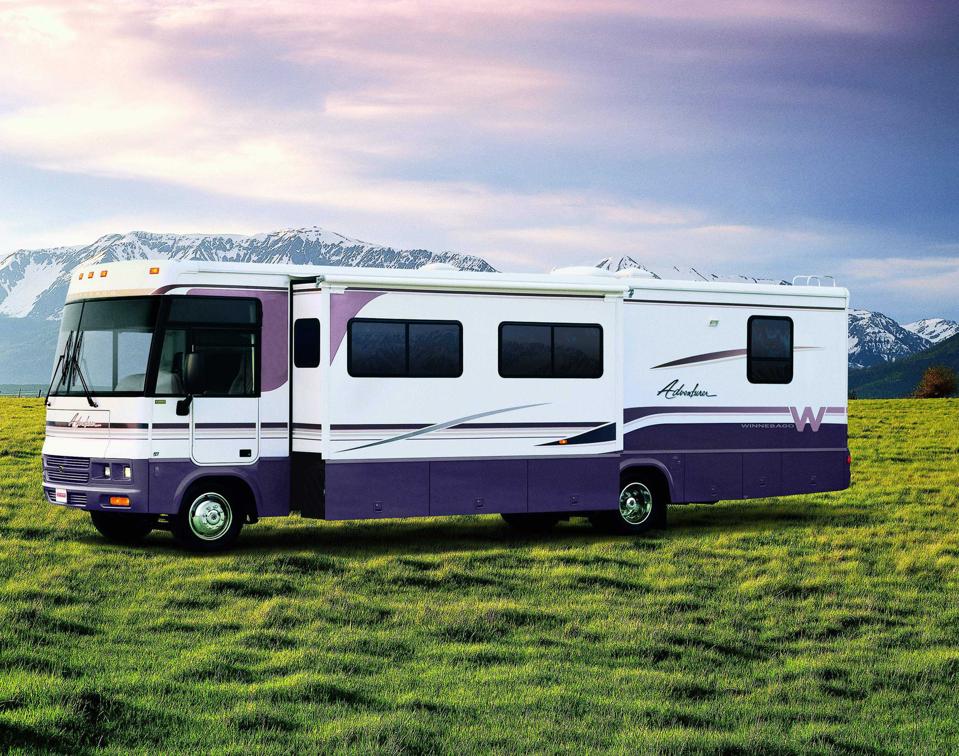
When you think about it, shopping for an RV can feel a bit like walking into a candy store, where everything looks tempting and it’s hard to decide what to choose.
When you search RV dealers Utah, for instance, you will quickly discover that the options are almost endless. Although each model you look at might seem like the perfect fit at first glance, the truth is, not every RV is right for every traveler.
In a nutshell, the key to finding the perfect RV isn’t just falling in love with a shiny model on the lot, it’s also about asking yourself the right questions before you buy.
If you take the time to answer these ten questions honestly, you’ll know exactly how to pick the RV of your dreams, one that fits your lifestyle, your budget, and your travel goals.
How do you plan to use your RV?
A good starting point would be to decide how you will be using your RV. Will you be using your RV for weekend getaways, or are you dreaming of living on the road full-time?
Naturally enough, occasional campers may be perfectly happy with a small trailer, while full-timers often need more storage, larger tanks, and homelike comforts. By defining your intended usage upfront, you can narrow down your purchasing options.
What’s your budget?
Budget is another important consideration. RVs range from modest pop-up campers under $15,000 to luxury motorhomes that can easily add some more zero’s to the price tag.
Beyond the sticker price, remember to factor in the cost of insurance, maintenance, fuel, storage, and campground fees. Be realistic about what you can comfortably afford, and don’t forget that buying used can stretch your budget further without sacrificing quality.
Do you want to drive or tow your RV?
This is a game changer. Motorhomes in either a class A, B, or C category are drivable units. You just hop in and go. Towables, that’s models like travel trailers, fifth wheels, and toy haulers, all need a truck or SUV to pull them.
Without question, driving a motorhome feels more seamless but requires towing a smaller vehicle if you want transportation at your destination. Towing a trailer gives you flexibility as you can unhitch and use your tow vehicle, but it also demands towing confidence and the right equipment.
What size RV fits your lifestyle?
Remember, bigger isn’t always better. Large RVs offer space and amenities, but they can be tough to maneuver in national parks, gas stations, and small campgrounds.
For sure, smaller rigs are easier to drive and park, but you’ll sacrifice living space and storage. Think about where you want to travel. Wide-open highways and RV resorts can handle big rigs, whereas winding mountain roads and remote campgrounds favor smaller units.
How many people will be traveling with you?
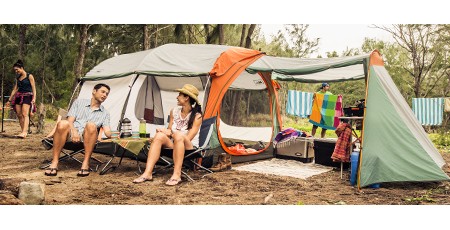
Traveling solo or as a couple opens the door to having a smaller RV, which would be easy to manage. Adding more passengers and animals into the equation would mean that you need bunk beds, extra seating, and a bigger kitchen.
Make a list of who will realistically join you on trips and choose a floor plan that gives everyone space to relax and sleep comfortably.
What level of comfort do you want and need?
Comfort is a personalized choice. For instance, you might be happy with the basics, like a bed, a small kitchen, and a place to crash after a day outdoors. Alternatively, you might want all the comforts of home, such as a full bathroom, a good-sized fridge, and other comforts.
Take time to decide what you want and need, bearing in mind that comfort often means more size, more weight, and more cost.
How much storage do you need?
It’s amazing how much gear you need if you go camping. The list will include chairs, grills, bikes, kayaks, tools, and clothing for every season. RVs vary widely in storage capacity.
You will find some fifth wheels have huge storage compartments, while smaller travel trailers may only have a couple of cabinets. Think about your hobbies and pack lists, as this will help you choose an RV that can actually carry it all.
Where do you want to camp?
Are you picturing luxury RV resorts with hookups for water, sewer, and electricity? Or are you comfortable with the idea of boondocking off-grid in the desert or mountains?
If hookups are always in your plan, you can get by with smaller tanks and fewer solar options. However, if you want to camp off the grid, you’ll need bigger fresh-water tanks, larger batteries, solar panels, or even a generator. That means you need a bigger vehicle.
How often do you want to upgrade or trade in?
RVs, just like cars, will depreciate over time. You might treat your purchase as a long-term investment, or your preference might be to upgrade every few years as your needs change.
Deciding your mindset can guide whether you should buy new or used.
Do you need a tow vehicle?
If you’re leaning toward a towable, make sure your current vehicle is up to the task. Too many rookie buyers fall in love with a trailer only to realize their SUV can’t safely tow it.
Be sure to check towing capacity, payload, and hitch requirements. If upgrading your tow vehicle isn’t an option, stick with an RV that fits what you already have, or consider a motorhome instead.
Answering these ten questions gives you a clear roadmap to guide you toward your dream RV. Finally, it’s worth saying that a weekend in a motorhome versus a travel trailer will tell you more than hours of online research ever could. If you can do a test drive before buying, it could help you to make up your mind.
Choosing an RV is one of the most exciting purchases you can make, but it’s also one of the most personal. The big thing to remember is that there’s no “best RV” out there, only the best RV for you.
By taking the time to ask yourself these key questions, you’ll cut through the noise and pinpoint a choice that matches your lifestyle, your travel dreams, and even your sense of adventure.