
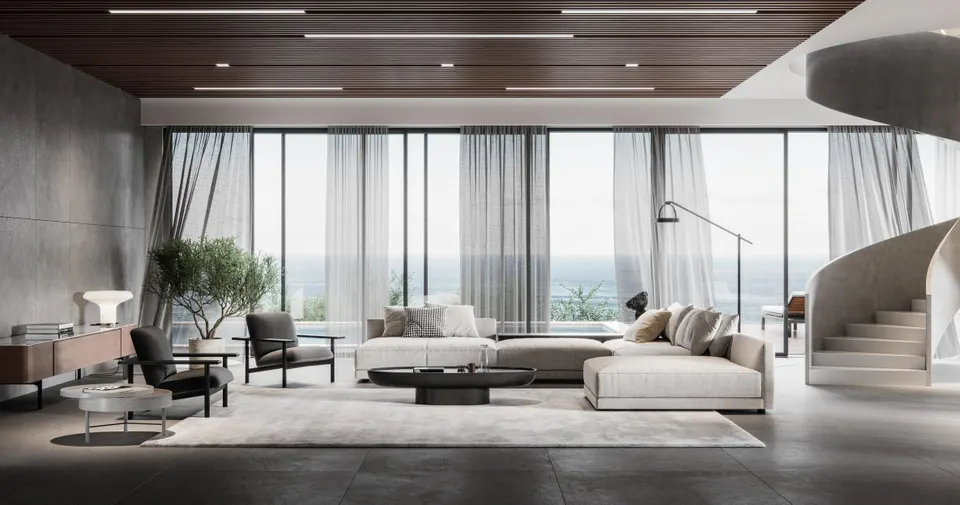
As temperatures climb and the days grow longer, your home becomes your sanctuary against the sweltering heat. But not all homes are created equal when it comes to staying cool. The good news is that strategic upgrades in the right areas can make a dramatic difference in comfort — and even slash your energy bills in the process. Here are the best areas of your home to focus on before the summer heat arrives in full force.
Windows and Window Treatments
Your windows are one of the biggest culprits when it comes to heat gain. Single-pane glass and poorly sealed frames allow radiant heat to pour into your living spaces, forcing your air conditioner to work overtime. Upgrading to double or triple-pane windows with low-emissivity (Low-E) coatings can significantly reduce the amount of solar heat that enters your home.
If a full window replacement isn’t in the budget, window treatments are an affordable and highly effective alternative. Cellular shades, blackout curtains, and solar shades are all designed to block solar radiation before it has a chance to warm your interior. Reflective window film is another budget-friendly option that can be applied directly to existing glass, bouncing sunlight away without sacrificing your view. For south- and west-facing windows that bear the brunt of afternoon sun, these upgrades are especially impactful.
Attic Insulation and Ventilation

Heat rises, and in summer, your attic absorbs an enormous amount of it. An under-insulated attic acts like an oven sitting directly above your living space, radiating heat downward throughout the day and well into the night. Adding or upgrading attic insulation is one of the highest-return investments you can make for summer comfort.
Beyond insulation, attic ventilation plays an equally important role. Ridge vents, soffit vents, and powered attic fans work together to exhaust hot air and draw in cooler outside air, preventing dangerous heat buildup. A well-ventilated attic can be 20 to 40 degrees cooler than a poorly ventilated one — a difference you’ll feel throughout your entire home.
Ceiling and Whole-House Fans
“Fans remain one of the most cost-effective and versatile tools in the fight against summer heat, and upgrading your fan situation can pay dividends in comfort almost immediately.”, says a rep from Hunter Fan Company.
Ceiling fans are a must in every main living area and bedroom. The key is making sure they’re running counterclockwise during summer, which pushes air straight down and creates a wind-chill effect that can make a room feel up to 8 degrees cooler. Modern ceiling fans have come a long way in both efficiency and design — DC motor fans use a fraction of the energy of older AC motor models while moving the same volume of air. Look for ENERGY STAR-certified models with high CFM (cubic feet per minute) ratings for the best performance.
Whole-house fans are another powerful upgrade worth considering. Installed in the ceiling between your living space and attic, a whole-house fan pulls hot air out of the home and exhausts it through the attic while drawing in cooler outside air through open windows. Running one in the early morning or evening hours when outdoor temperatures drop can cool your entire home rapidly and dramatically reduce your reliance on air conditioning. Tower fans and box fans strategically placed to create cross-ventilation through hallways and rooms round out a solid fan-based cooling strategy that costs very little to run.
Doors and Air Sealing
Gaps around doors — especially exterior doors and garage-facing interior doors — allow hot air to infiltrate your cooled living spaces constantly. Weatherstripping and door sweeps are inexpensive fixes that deliver immediate results. For a more comprehensive upgrade, consider replacing older exterior doors with insulated steel or fiberglass models that offer superior thermal performance.
Air sealing throughout the home, including around electrical outlets, plumbing penetrations, and recessed lighting, prevents the sneaky infiltration of warm air that adds up over time.
Landscaping and Exterior Shading
Don’t overlook the outside of your home. Strategic landscaping can reduce the heat load on your house before it ever reaches the walls. Planting deciduous trees on the south and west sides of your home provides natural shade during summer while allowing sunlight through in winter when the leaves have fallen. Pergolas, shade sails, and awnings over windows and patios are additional exterior shading solutions that keep walls and glass cooler throughout the day.
Upgrading these key areas transforms your home into a genuinely cool retreat — even when the thermometer is pushing triple digits outside.