
Color is never just decoration. It’s data. It’s emotion. It’s conversion rate optimization hiding in plain sight.
Whether you’re building an SaaS dashboard, designing physical packaging, creating a landing page, or developing an e-commerce brand, color influences how users feel before they consciously process what they’re seeing. That split-second emotional response often determines whether someone keeps scrolling, clicks “add to cart,” or closes the tab.
These color psychology tips for better product design gives designers and developers a competitive edge, allowing them to make strategic decisions that align with behavior, usability, branding, and seasonal context.
1. Lean Into Emotion First and Aesthetics Second
Color psychology begins with emotional triggers. Here’s a quick emotional shorthand that many brands rely on:
- Blue: trust, reliability, logic
- Red: urgency, passion, action
- Green: growth, sustainability, calm
- Yellow: optimism, attention
- Black: luxury, authority
- White: simplicity, cleanliness
That’s the surface-level version. But context changes everything. For example, a deep navy in financial technology communicates stability, but the same hue in a wellness brand may feel cold or clinical. Meanwhile, muted sage green feels organic in skin care, but it might look lifeless in gaming UI (user interface).
The key is aligning emotional tone with product intent:
- Productivity tools often lean into blues and neutrals.
- Creative platforms embrace vibrant contrast.
- Luxury goods favor darker palettes with restrained highlights.
Before choosing colors, define the emotional outcome. What should someone feel in the first three seconds?
Earth Tones and Sustainability
There’s been a noticeable shift toward muted, nature-inspired palettes, especially in consumer goods and eco-conscious brands. Sage greens, warm browns, sand tones, and off-whites communicate sustainability without saying the word. In fact, color is often the first sustainability signal that customers perceive before they even read product descriptions.
In packaging design, earth tones paired with recyclable materials amplify authenticity and make the brand feel both timely and responsible. These cues create layered messaging: that your brand is relevant, eco-conscious, and modern.
2. Use Contrast for Better User Experience
Color psychology also affects usability. Designers sometimes chase aesthetic cohesion and accidentally sacrifice contrast. That can be dangerous.
High contrast improves accessibility, increases readability, and reduces cognitive load, which in turn boosts CTA (call to action) performance. Low contrast, on the other hand, can cause eye strain and frustrate users, ultimately decreasing engagement.
From a development perspective, this is where design and code intersect. Tools such as WCAG (web content accessibility guidelines) contrast checkers should be part of your workflow.
3. Consider the Cultural Context
Color perception varies across cultures and industries. For instance, in Western markets, white signals purity. However, in some Eastern cultures, white is associated with mourning. Similarly, red can symbolize danger—or prosperity.
Therefore, the same product design might need slight palette shifts depending on audience geography. This is especially relevant in packaging and retail design, where cultural symbolism strongly influences buying behavior.
Seasonal context plays into this, too. Consumers subconsciously expect certain color palettes during specific times of the year: warm earth tones in the fall, bright pastels in spring, and metallics during holidays. That alignment creates familiarity and relevance. Many brands adjust their packaging seasonally to reflect these cyclical shifts. Seasonal color adaptation reinforces brand awareness without requiring a full rebrand.
4. Use Color To Influence Perceived Value
Color affects how expensive something feels. Dark palettes with restrained accents tend to increase perceived value. Think black matte packaging with gold foil or charcoal UI themes in premium software products. Brighter palettes often communicate affordability and accessibility. Minimal white space with subtle neutral tones often suggests sophistication, while overly saturated palettes can feel playful—or budget.
If you’re designing for a premium audience:
- Limit color variety
- Increase negative space
- Use controlled accent colors
If you’re designing for energy and mass appeal:
- Lean into vibrancy
- Use dynamic contrast
- Add movement through gradients
Perceived value isn’t necessarily about price. It’s about emotional framing.
5. Use Color Consistently Across Platforms
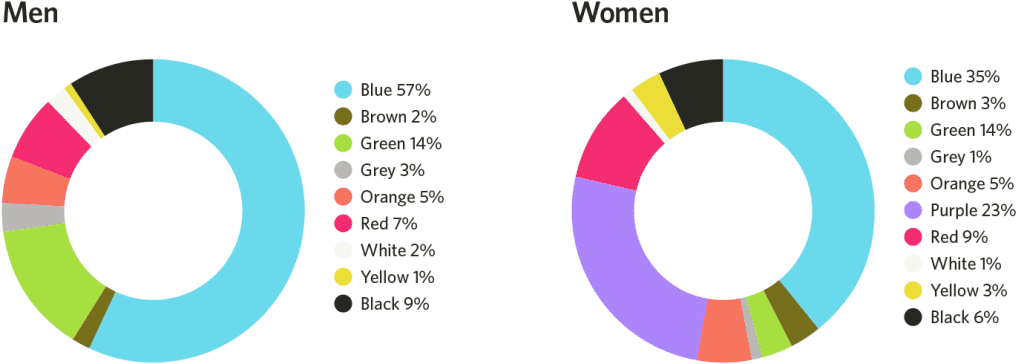
One of the most overlooked color psychology tips for better product design is consistency across touchpoints. Your product might live in:
- A mobile app
- A desktop site
- Social media posts
- Email campaigns
- Digital ads
- Physical packaging
Familiar colors create mental shortcuts. So when your core colors stay consistent across all of these, people subconsciously recognize and trust your brand faster. Your primary brand colors should show up in predictable ways. For example:
- You might always use your main brand color for website buttons.
- Your site backgrounds might stay within a certain neutral range.
- Accent colors might appear only in highlights or promotions.
This kind of structure makes your product feel polished, intentional, and consistent, whether someone interacts with your brand on a phone, laptop, or retail shelf.
7. Avoid Color Overload
More color doesn’t mean more impact. Cognitive overload can happen when too many bright tones compete, whether in your product packaging or on your website. This causes visual hierarchy to disappear.
The solution is restraint. A good rule of thumb is to use your dominant brand color for about 60 percent of the design, a secondary color for roughly 30 percent, and an accent color for the remaining 10 percent to create balance.
8. Keep Dark Mode in Mind
Dark mode isn’t just trendy; it’s psychological. Dark mode interfaces not only reduce eye strain but also signal modernity and increase perceived sophistication.
But they also change color perception. Bright accents pop against dark backgrounds, reds feel more intense, and blues feel deeper. So when you’re designing both light and dark mode versions of your site, test how your color palette behaves in each environment. Some colors lose clarity against dark UI, while others thrive.
Bringing It All Together
Color is strategy disguised as style, influencing emotion, usability and accessibility, brand perception, and, most importantly, conversion rates. The strongest product designs don’t use random or trendy colors. They connect psychology with purpose. When emotional intent, usability standards, seasonal context, and brand identity all align, color becomes one of the most powerful tools in your design system.
Whether you’re building interfaces with CSS variables, crafting physical packaging, experimenting with gradients in WebGL, or prototyping in Figma, color remains one of the fastest ways to communicate meaning without saying a word. So design boldly—but design intentionally.