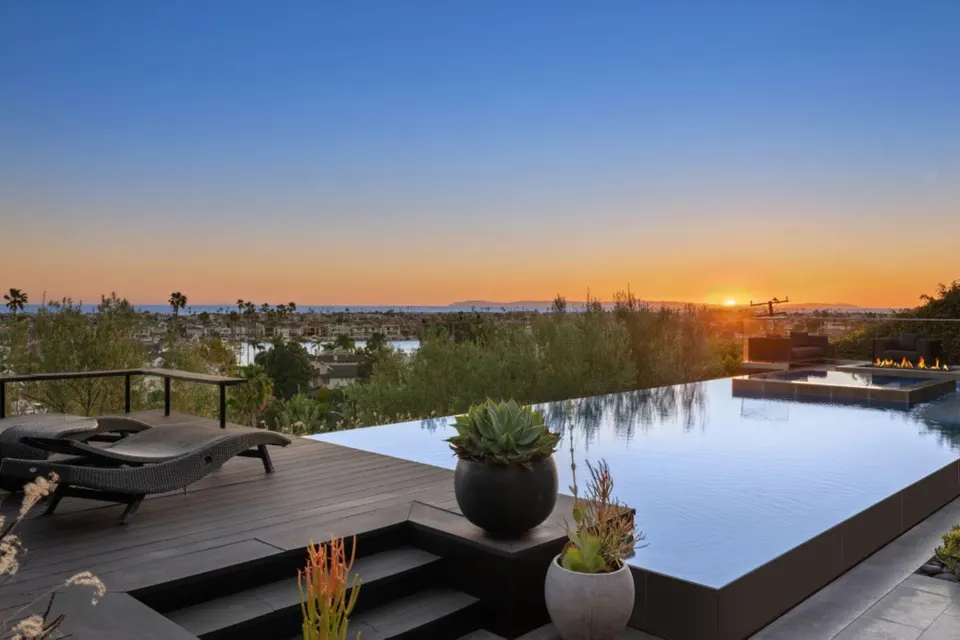
Outdoor living spaces have moved well beyond the basic patio-and-grill setup. Across the Gulf Coast — from Gulf Shores and Orange Beach through Fairhope and into Pensacola — homeowners are building fully equipped outdoor kitchens, fire feature lounges, covered pavilions, and resort-style pool decks designed for year-round entertaining. But building these spaces in a coastal environment comes with considerations that most interior-market contractors never deal with.
If you are planning an outdoor living project along the Gulf Coast, here is what you need to understand before breaking ground.
Salt Air Changes the Material Equation

The number one mistake homeowners make in coastal outdoor construction is choosing materials based on appearance alone. A wrought iron pergola that looks stunning in a showroom will corrode within two years in a saltwater environment. Standard carbon steel hardware will rust. Certain natural stone varieties will pit and flake when exposed to salt-laden humidity.
Materials that perform well on the Gulf Coast include marine-grade stainless steel (316 grade, not 304), powder-coated aluminum, composite decking rated for coastal exposure, and concrete or natural stone varieties tested for salt resistance. For pool coping and outdoor kitchen countertops, travertine and certain granites hold up well, while softer limestones and marbles degrade quickly.
The National Association of Home Builders recommends that homeowners in coastal zones work with builders who have specific experience selecting materials rated for salt exposure, as material failure is one of the leading causes of premature outdoor living space deterioration.
Wind Load and Hurricane Engineering Are Not Optional
Any permanent outdoor structure on the Gulf Coast — a covered patio, a summer kitchen roof, a cabana, a pergola — must be engineered for wind loads that meet local building codes. In Baldwin County, Alabama, and Escambia County, Florida, that means designing for sustained winds well in excess of what inland structures face.
This is not a cosmetic concern. An improperly anchored patio cover becomes a projectile in a tropical storm. A summer kitchen island that is not tied into a proper foundation can shift or crack. Homeowners should verify that their builder submits engineered plans for all outdoor structures and pulls proper permits — not just for the pool, but for every roofed or elevated element in the outdoor space.
Drainage Planning Prevents Expensive Failures
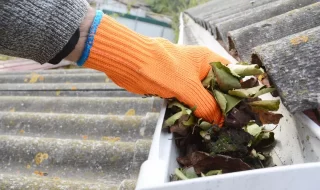
On the Gulf Coast, it rains. A lot. And when it rains, it dumps volume quickly. An outdoor living space that does not account for drainage will flood the pool deck, erode landscaping, and potentially direct water toward the home’s foundation.
Proper drainage planning for a Gulf Coast outdoor space includes grading the hardscape away from the home, installing channel drains along pool decks and kitchen areas, routing downspouts away from outdoor living zones, and designing retention or dry well systems for properties with limited runoff options. This work needs to happen during the design phase — not as a fix after the first heavy rain reveals the problem.
The Integration Problem: Pool, Home, and Outdoor Space
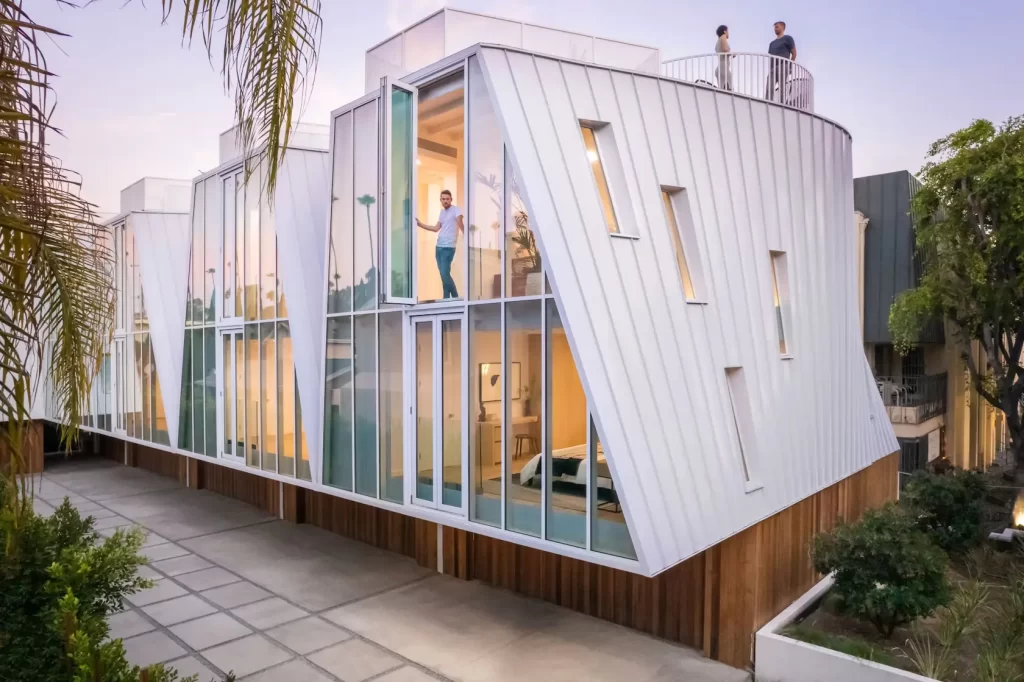
One of the biggest challenges homeowners face is coordinating the outdoor living space with the pool construction and the home itself. When three different contractors are involved — a general contractor for the patio structure, a pool builder for the pool, and a landscaper for everything in between — the result is often a disjointed space where the pool deck does not flow naturally into the kitchen area, the fire feature is awkwardly positioned relative to sight lines, and the electrical and plumbing runs conflict with each other underground.
This is why firms that offer integrated construction — handling the home, pool, and outdoor living areas as a single coordinated project — tend to produce better results. DD&B Custom Home & Pool Builders, based in Gulf Shores, is one example of a firm that designs the pool, outdoor kitchen, fire features, and covered structures together from the start, rather than layering them on as separate projects. That integrated approach ensures the space functions as a cohesive whole rather than a collection of individual elements.
Budget Realistically for Coastal Construction
Outdoor living construction on the Gulf Coast costs more than it does in landlocked markets. The premium comes from three sources: upgraded materials rated for salt and wind exposure, engineering and permitting requirements that are more stringent than inland codes, and the seasonal scheduling constraints imposed by hurricane season.
Most experienced Gulf Coast builders recommend scheduling outdoor construction to begin in late fall or early winter, allowing the bulk of the work to be completed before the June-through-November hurricane window. Starting a major outdoor project in April or May introduces significant weather risk that can delay completion by months.
Homeowners should also budget for ongoing maintenance that is specific to coastal outdoor spaces. Salt deposits need to be rinsed from metal surfaces regularly. Pool equipment exposed to salt air requires more frequent service intervals. Outdoor kitchen appliances rated for coastal use carry a higher upfront cost but last significantly longer than standard residential models.
Plan the Space Around How You Actually Live
The most successful outdoor living spaces on the Gulf Coast are designed around the homeowner’s actual habits, not a magazine photo. A family that entertains large groups needs a different layout than a couple who uses their outdoor space for quiet evening relaxation. A household with young children needs different safety features and sight lines than empty nesters.
Before committing to a design, spend time thinking about traffic flow. Where will guests naturally congregate? How will food move from the indoor kitchen to the outdoor cooking area? Where should seating be positioned relative to the pool, the fire feature, and the prevailing breeze? These questions matter more than the finish on the countertop or the style of the tile.
Build It Right the First Time
Coastal outdoor living spaces are significant investments — and when built correctly, they deliver enormous returns in both property value and daily quality of life. The Gulf Coast lifestyle practically demands these spaces. But the coastal environment also punishes shortcuts. Choosing the right materials, engineering for real wind and water conditions, and working with a builder who understands the full picture from foundation to finish line is what separates an outdoor space that lasts decades from one that deteriorates in a few years.
Take the time to plan thoroughly, hire experienced coastal builders, and invest in the details that matter. Your future self — hosting friends poolside with a Gulf breeze and a cold drink — will thank you.