Homeownership brings pride, comfort, and a steady stream of responsibilities that demand attention. Every system, surface, and structure needs care to stay functional and safe. Two common approaches guide that care: preventative maintenance and major home improvements. Each serves a different purpose, yet both shape the longevity and value of a home. Preventative maintenance focuses on routine tasks that stop small issues from turning into expensive problems. Major improvements, on the other hand, involve larger projects that upgrade or transform parts of the house. Understanding how these approaches differ helps homeowners make smarter decisions, manage costs, and protect their investment with confidence.
1. Understanding Preventative Maintenance
Preventative maintenance centers on consistency and awareness. It involves small, regular actions that keep a home running smoothly. Tasks such as cleaning gutters, sealing cracks, servicing HVAC systems, and inspecting plumbing prevent damage before it starts. These actions cost less and take less time than large repairs. A homeowner who commits to routine upkeep avoids sudden breakdowns and unexpected expenses. Preventative care also extends the life of appliances and structures. Instead of reacting to problems, this approach builds control and predictability. Over time, these small efforts create a strong foundation that supports comfort, efficiency, and long-term savings.
2. The Role of Major Home Improvements
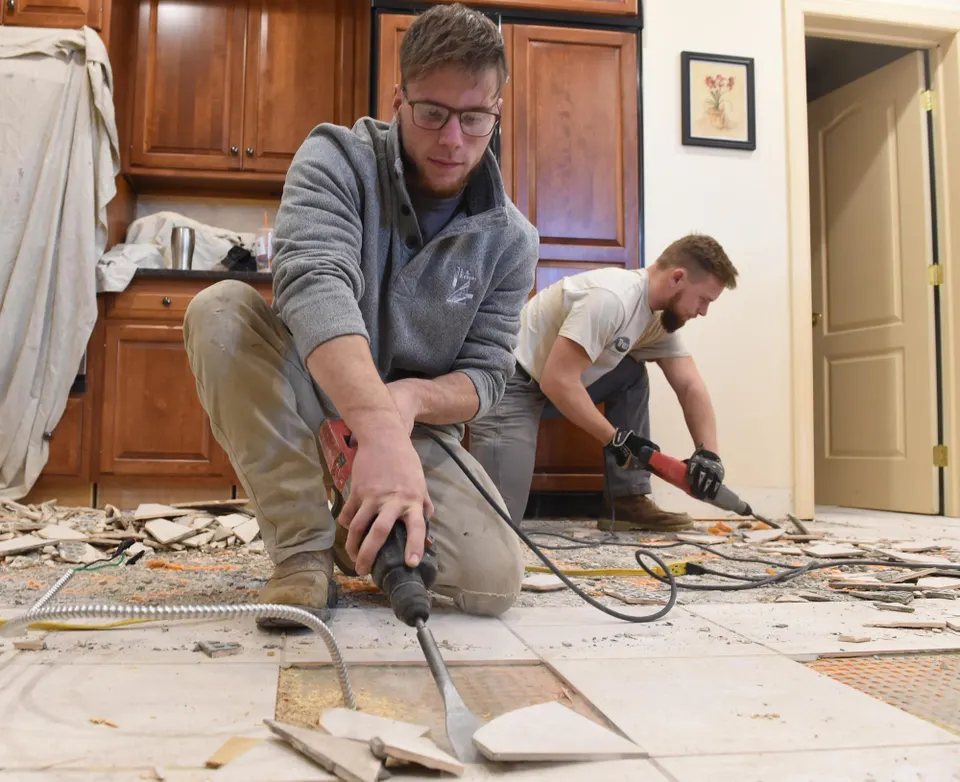
Major home improvements focus on transformation rather than preservation. These projects include replacing roofs, remodeling kitchens, upgrading electrical systems, or expanding living space. They require planning, budgeting, and professional expertise. Many homeowners start their research with phrases like roof installation near me when they notice aging materials or structural wear. These improvements increase property value and improve functionality, but they demand significant time and financial commitment. Unlike maintenance, these projects respond to long-term needs or lifestyle changes. When done correctly, they modernize a home and address issues that routine upkeep cannot fix, creating a lasting impact and improved livability.
3. Cost Differences and Budget Planning

Preventative maintenance offers predictable and manageable costs. Regular inspections and minor fixes spread expenses across the year. This steady approach reduces financial stress and prevents large, sudden bills. Major home improvements, however, require substantial upfront investment. A single renovation can cost thousands and disrupt financial plans if not prepared carefully. Smart homeowners create a budget that includes both approaches. They allocate funds for routine upkeep while saving for future upgrades. This balance ensures that maintenance does not get ignored and improvements do not become overwhelming. Clear budgeting supports stability and keeps the home in excellent condition without financial strain.
4. Time Commitment and Scheduling
Time plays a major role in how homeowners approach care and upgrades. Preventative maintenance fits into regular schedules. Many tasks take only a few hours and can happen seasonally or monthly. This flexibility makes it easier to stay consistent. Major home improvements demand more time and coordination. Contractors, permits, and material sourcing extend project timelines. Some renovations disrupt daily routines and require temporary adjustments. Effective scheduling ensures that projects run smoothly and avoid delays. Homeowners who plan ahead minimize inconvenience and maintain control. Time management becomes essential when balancing everyday maintenance with larger, more complex projects.
5. Impact on Property Value
Both approaches influence property value, but they do so in different ways. Preventative maintenance protects existing value by keeping systems functional and structures intact. A well-maintained home attracts buyers and avoids negative inspections. Major home improvements increase value by enhancing aesthetics, functionality, and efficiency. Upgraded kitchens, modern bathrooms, and new roofing systems make a property more appealing. Buyers often pay more for homes that combine strong maintenance history with thoughtful upgrades. Value grows when both strategies work together. Maintenance preserves what exists, while improvements elevate the home to meet current standards and expectations.
6. Risk Management and Safety
Preventative maintenance reduces risk by addressing potential hazards early. Regular checks identify issues such as leaks, faulty wiring, or structural weaknesses. Fixing these problems quickly prevents accidents and costly damage. Major home improvements also improve safety, especially when outdated systems pose risks. Replacing old electrical panels or reinforcing foundations creates a safer living environment. Ignoring both approaches increases danger and long-term costs. Homeowners who stay proactive maintain control over safety conditions. A combination of routine care and strategic upgrades ensures that the home remains secure and reliable for everyone inside.
7. Energy Efficiency Considerations
Energy efficiency benefits from both maintenance and improvements. Preventative actions like sealing windows, cleaning filters, and checking insulation reduce energy waste. These small steps improve performance and lower utility bills. Major home improvements take efficiency further by introducing advanced systems. Installing energy-efficient windows, upgrading HVAC units, or adding solar panels transforms how a home consumes energy. These upgrades require investment but deliver long-term savings. A homeowner who combines both methods achieves the best results. Maintenance keeps systems running efficiently, while improvements introduce modern solutions that reduce overall consumption and environmental impact.
8. Aesthetic Appeal and Comfort
A well-maintained home feels comfortable and inviting. Preventative maintenance ensures that surfaces stay clean, systems run quietly, and spaces remain functional. This consistent care supports everyday comfort. Major home improvements enhance visual appeal and redefine living spaces. Renovations introduce new layouts, updated finishes, and modern designs. These changes create a fresh atmosphere that reflects personal style. Comfort improves when both strategies align. Maintenance keeps the home pleasant, while improvements elevate its look and feel. Together, they create a space that supports both relaxation and pride in ownership.
9. Long-Term vs Short-Term Focus
Preventative maintenance focuses on the present and near future. It addresses immediate needs and prevents short-term issues from escalating. This approach builds stability and reduces surprises. Major home improvements look toward the long term. They prepare the home for future demands, whether through modernization or structural upgrades. Both perspectives matter. A homeowner who ignores maintenance may face costly repairs, while one who avoids improvements may fall behind changing standards. Balancing short-term care with long-term planning creates a resilient home. This combination ensures that the property remains functional, relevant, and valuable over time.
Preventative maintenance and major home improvements serve different but equally important roles in homeownership. Maintenance preserves, protects, and prevents problems through consistent effort. Improvements transform, upgrade, and add value through larger projects. A successful homeowner understands how these approaches complement each other. Regular upkeep reduces risk and controls costs, while strategic upgrades enhance functionality and appeal. Together, they create a home that stands strong over time. Thoughtful planning, steady attention, and timely action make all the difference. With the right balance, any home can remain efficient, safe, and enjoyable for years without unnecessary stress or expense.