
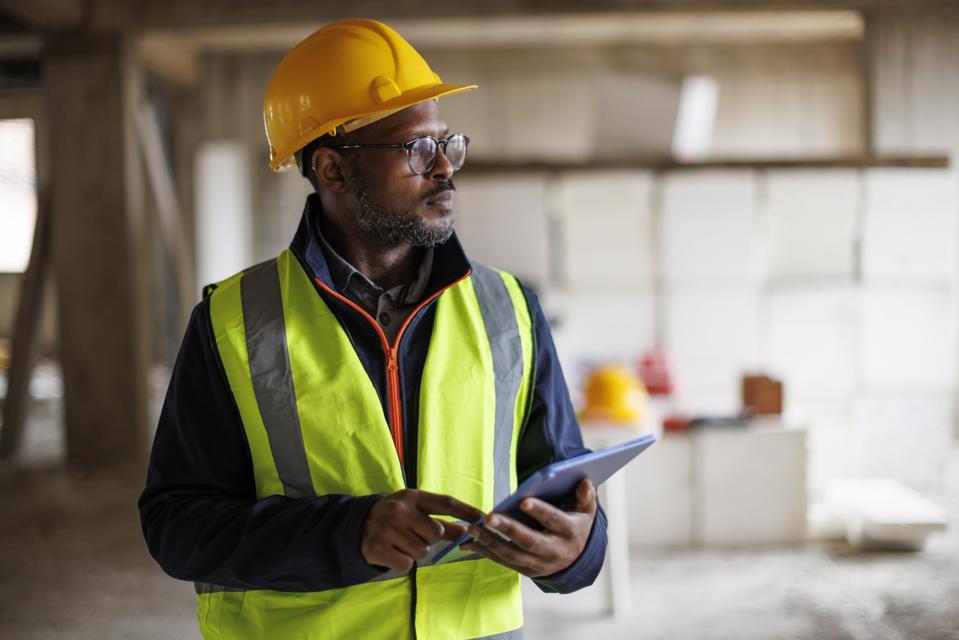
The landscape of commercial construction is evolving rapidly, with a strong emphasis on new technologies and sustainable practices. For developers, contractors, and stakeholders, understanding what’s next is essential for maintaining a competitive edge. From energy-efficient buildings to smart IoT integration, the future is transforming how projects are planned, built, and managed. For those considering a shift toward innovative spaces or seeking to maximize value in property upgrades, partnering with a proven home remodeling contractor can provide essential expertise and guidance.
This article identifies the most significant trends poised to redefine the commercial construction industry in the years to come. Embracing these advancements not only meets growing regulatory and consumer demands but also creates buildings that are efficient, future-ready and environmentally responsible.
Sustainability, digital innovation, and smarter material choices are driving efficiency and cost savings across all project sizes. The shift is not just about constructing more buildings—it’s about building smarter and better for both occupants and the planet. Industry experts emphasize that these developments can deliver both immediate and long-term value for businesses and communities.
As regulations evolve and markets respond to climate change, commercial construction professionals must keep pace with technologies that reduce energy consumption and enhance user experience. Transformative trends are shaping a new era of commercial spaces that are both dynamic and resilient.
Sustainable and Net-Zero Energy Buildings
The growing emphasis on environmental responsibility is fueling the rise of net-zero energy buildings in commercial construction. Net-zero structures are designed to generate as much energy as they consume, thereby reducing their carbon footprint while keeping operational costs in check. Developers are increasingly adopting renewable energy sources, such as solar panels and geothermal systems, paired with advanced insulation and high-performance windows. Certified green buildings consume up to 25% less energy and 11% less water than conventional alternatives, resulting in tangible savings and reduced environmental impact.
Many leading companies are also targeting LEED or WELL certification for their commercial projects, recognizing that sustainable buildings attract tenants, meet stricter environmental codes, and retain value over time. As technology improves and the costs of green solutions decrease, more mid-sized and even smaller projects can affordably adopt these best practices, making sustainability a mainstream expectation in the industry.
Smart Building Technologies and IoT Integration
The rise of smart building technologies is revolutionizing the commercial construction industry. From automated lighting systems and intelligent HVAC controls to IoT-enabled sensors and security systems, these digital innovations enable facility managers to monitor and optimize operations in real-time. The integration of IoT-powered platforms allows predictive maintenance, enhances occupant comfort, and optimizes energy efficiency, providing detailed analytics for informed decision-making. By 2025, the adoption pace is expected to accelerate, making smart building systems an industry standard rather than a competitive advantage.
The significance of this smart transition goes beyond energy conservation. IoT integration enhances the tenant experience, supports flexible workspace configurations, and improves health and safety measures. As more commercial spaces adopt hybrid and remote work models, the demand for technologically advanced, adaptable environments is expected to continue increasing.
Modular and Prefabricated Construction Methods
Modular and prefabricated construction techniques offer significant efficiency gains over traditional methods. By manufacturing building components off-site in controlled factory settings, projects benefit from minimized weather delays, reduced material waste, and shorter construction timelines. According to a detailed report by McKinsey & Company, modular construction can lead to project schedule reductions of 20–50% and cost savings of up to 20%.
Developers and contractors are leveraging these methods not only for new construction but also for expansions and renovations, as the modular approach lends itself to quicker project delivery and more predictable outcomes. With ongoing labor shortages in the industry, these solutions are expected to see continued adoption and refinement in the coming years.
Advanced Construction Materials
Breakthroughs in construction materials are enabling commercial buildings that are stronger, more flexible, and sustainably built. Self-healing concrete minimizes cracks by automatically repairing itself, while cross-laminated timber offers a renewable alternative to steel and concrete with remarkable strength and fire resistance. 3D-printed components streamline customized building elements while minimizing material waste and labor demands.
The trend toward advanced materials supports both cost savings and environmental objectives, and industry experts anticipate their adoption will increase as demand grows and technologies mature. These materials not only extend the longevity of structures but also contribute to greater overall resilience and safety, positioning them as must-haves for forward-thinking projects.
Robotics and Automation
The adoption of robotics and automation in commercial construction is addressing labor shortages and setting new standards for safety and precision. Automated machinery now performs tasks such as bricklaying, welding, and earthmoving with improved consistency and speed. Robotic exoskeletons are also becoming increasingly common on job sites, enabling workers to handle physically demanding or repetitive tasks with reduced risk of injury.
By 2025, advancements in robotic technology are expected to transform workflows, boost productivity, and bring new possibilities to large-scale projects. As these innovations become more mainstream, companies utilizing robotics will be well-positioned to stay competitive and deliver projects on tighter deadlines.
Conclusion
A commitment to sustainability, advanced technologies, and flexible building approaches defines the future of commercial construction. The adoption of net-zero energy solutions, smart technologies, modular construction, cutting-edge materials, and robotics is not just a response to market trends—it’s a necessity in an environment where efficiency, resilience, and occupant satisfaction are paramount. Staying at the forefront of these trends will empower industry professionals to deliver greater value and ensure long-term success in an ever-evolving market.