
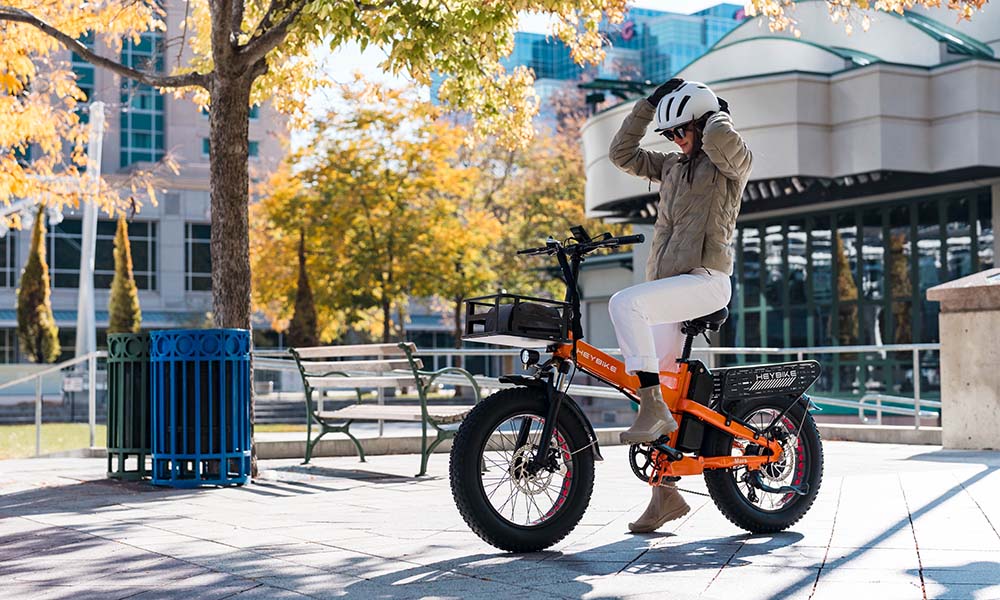
Daily life is no longer tied to fixed locations or rigid routines, thanks to innovations that make movement easier and more efficient. Tools like real-time navigation apps, AI-powered assistants, and cloud-based platforms are providing individuals with the freedom to manage their schedules while remaining mobile.
At the same time, transportation is evolving in tandem with these changes. The growing popularity of e-bikes exhibits a growing inclination toward accessible and sustainable options for short-distance travel. With better battery ranges and user-friendly sharing programs, they are offering modern commuters a way to avoid traffic and cover more ground effortlessly. Combined with the rise of remote work and lifestyle apps, these trends show how technology is redefining what it means to live and move in a connected world.
Let’s discuss more on this below:
Rise of E-Bikes in Urban Mobility
E-bikes are becoming a familiar sight in many cities, offering a clean and cost-effective option for daily travel. Riders appreciate their ability to cut through traffic, avoid parking hassles, and move at a steady pace without the physical strain of traditional cycling. Shared e-bike programs are also growing, providing people with access to bikes without the need to purchase their own. As such, this reflects a growing interest in sustainable ways to get around that fit the modern lifestyle.
The e-bike range has improved significantly with the introduction of new battery technologies, enabling riders to cover longer distances on a single charge. People now have the confidence to use e-bikes for commutes that were once considered too far. Businesses and cities are also investing in improved infrastructure, such as charging stations and dedicated bike lanes, which further supports this mode of transport for everyday use.
GPS and Real-Time Navigation
Navigation tools powered by GPS make it easy for travelers to find the best routes and avoid delays. Real-time updates allow users to react to traffic changes, roadblocks, or public transit issues almost instantly. This has become a core part of daily commuting and travel planning for millions of people worldwide.
E-bike users also benefit from integrated GPS systems, which are often built into bikes or paired with companion apps. These tools help riders discover new bike-friendly paths, avoid steep hills, and track their remaining battery levels, making every trip more reliable and predictable.
Digital Nomad Tools
Remote work has given rise to a generation of digital nomads who rely heavily on tech tools to stay productive while moving from place to place. Cloud storage, video conferencing apps, and team collaboration platforms enable seamless work from anywhere with a stable internet connection. This flexibility is redefining how people balance their careers and their desire to explore new locations.
For digital nomads living in walkable cities, e-bikes are a popular choice for getting around. They offer quick access to co-working spaces, cafes, and essential services, eliminating the need for a car. Compact folding e-bikes also appeal to travelers staying in small apartments or shared housing, offering a convenient way to store their primary mode of transportation.
Mobile Apps Simplifying Daily Commuting
Mobile apps have transformed how people navigate their cities and plan their journeys. From booking rides to checking public transit schedules, these platforms bring multiple transportation options together in one place. Users can instantly compare routes, costs, and times, making travel planning faster and more efficient.
Many e-bike sharing services are built around mobile apps, allowing users to locate nearby bikes, unlock them with a tap, and pay for rides seamlessly. These features give both regular riders and first-time users the confidence to incorporate e-bikes into their daily routines with minimal preparation.
5G Connectivity
The arrival of 5G technology is making travel more connected and responsive. Faster internet speeds and lower latency enable apps and devices to deliver updates instantly, allowing people to plan their trips with confidence. Travelers can now stream content, video call, and access cloud-based services without interruptions, even while on the move.
E-bike systems are also benefiting from this technology. Many services use 5G connectivity for accurate tracking, instant diagnostics, and real-time availability updates. Riders can track their routes and even receive maintenance alerts through advanced networks, enhancing the overall riding experience.
Digital Safety Tools
Safety is a growing focus for travelers in both familiar and unfamiliar areas. Digital safety tools, such as location sharing, emergency alerts, and route monitoring, provide reassurance for those on the go. Apps like these enable friends and family to stay connected and informed about each other’s whereabouts.
For many, owning an e-bike offers the perfect balance between convenience and independence. Advanced models now include features like automatic notifications if a ride takes longer than usual or if the bike tips over unexpectedly. Such smart additions make e-bikes a practical choice for digital nomads who want personal transportation without the commitment of a car.
Social Media Influencing Travel Trends
Social media has become a powerful force in shaping how people travel and what destinations they prioritize. Platforms like Instagram and TikTok showcase unique experiences, inspiring individuals to visit places and try activities they may not have considered before.
E-bike tours often take center stage in this space, with creators highlighting scenic routes and eco-friendly adventures. Such videos and posts encourage travelers to incorporate e-bikes into their plans, showing how they can explore cities at their preferred pace while reducing their carbon footprint.
Virtual Reality Previews
Virtual reality (VR) is drastically changing the way people plan their trips. Travelers can explore hotels, attractions, and even streets virtually before making a booking commitment. This immersive technology helps users feel more confident about their choices and avoid surprises upon arrival.
Some VR platforms now include simulations of e-bike rides through popular tourist areas. Such previews allow riders to get a sense of the terrain, bike paths, and local scenery, making them more likely to try e-bikes as a mode of transportation during their stay.
AI Chatbots Offering Travel Support
AI chatbots are now widely used by travel platforms to provide instant assistance. Whether it’s answering questions about schedules, recommending routes, or helping with bookings, these digital assistants make travel planning smoother and faster.
AI chatbots are now used in e-bike companion apps to assist riders with common questions about maintenance, battery performance, and troubleshooting technical issues. This instant support makes it easier for e-bike owners to manage their rides confidently, especially when dealing with unfamiliar features or updates.
Modern life is deeply connected to the technologies that support how people move and experience the world. From e-bikes and mobile apps to advanced networks and virtual tools, modern innovations are creating a more flexible and accessible way of living and traveling.