
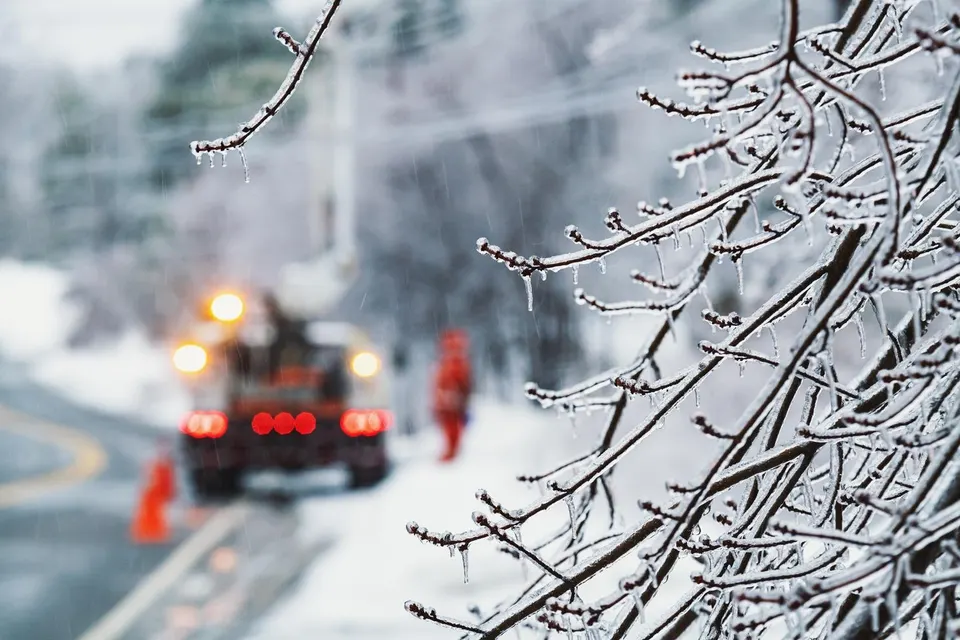
Extreme weather has a way of exposing the weakest parts of a home. A small crack, a loose seal, or an aging material can turn into a costly repair after one heavy storm. Many homeowners assume their house is ready until they deal with leaks, drafts, or structural damage. The problem usually starts long before anything becomes visible.
The goal isn’t to make your home indestructible. It’s to make it resilient. When your home can handle pressure, water, and temperature swings without breaking down, you avoid constant repairs and keep your space comfortable. The improvements in this guide focus on real problem areas that homeowners often overlook, and they explain what actually works when conditions get rough.
Entry Doors That Hold Their Ground
Front and back doors take direct pressure from strong winds, and weaker doors can bend or break under stress. Older wooden doors often swell with moisture and lose their shape over time. That makes them harder to close tightly and easier for wind and rain to push through.
Look for doors made with reinforced cores and weather-resistant materials like fiberglass. The frame matters just as much as the door itself, so it should be secure and properly aligned. Hinges and locks need to hold firm without shifting. A tight seal around the edges blocks drafts and water.
Companies like Storm Pro Window and Door focus on high-quality, custom-built installations designed for homes in storm-prone areas. Their approach centers on durability, proper fitting, and long-term performance. To learn more, head to https://stormprowindow-door.com/services/doors/ for options designed to handle tough weather while maintaining durability and performance.
Choosing Windows That Can Take a Hit
Standard windows can crack under pressure or shatter when hit by debris. That creates a direct path for wind and water to enter your home. Impact-resistant windows solve this problem by using reinforced glass and stronger frames. They stay intact even when struck, which helps maintain the structure of the house during storms.
Pay attention to how the windows are installed, not just the glass itself. Poor installation leaves gaps that allow water and air to pass through. Check the seals and frames for any movement or warping. If you feel drafts near closed windows, they are not doing their job. Upgrading your windows improves safety and also helps regulate indoor temperature during extreme conditions.
Fixing the Roof Before It Fails
Your roof handles the most stress during extreme weather, yet many people only check it when something goes wrong. Small issues like lifted shingles or worn-out sealant can let water in during heavy rain. That moisture spreads under the surface and weakens the structure over time.
Walk around your home and look for uneven sections, missing shingles, or debris buildup. Inside, check for stains on ceilings or walls, especially after rain. Those signs point to slow leaks. Flashing around vents and chimneys also needs attention since it often loosens first. Fixing these areas early costs far less than dealing with water damage later. A solid roof keeps everything underneath it safe.
Sealing the Gaps You Don’t Notice
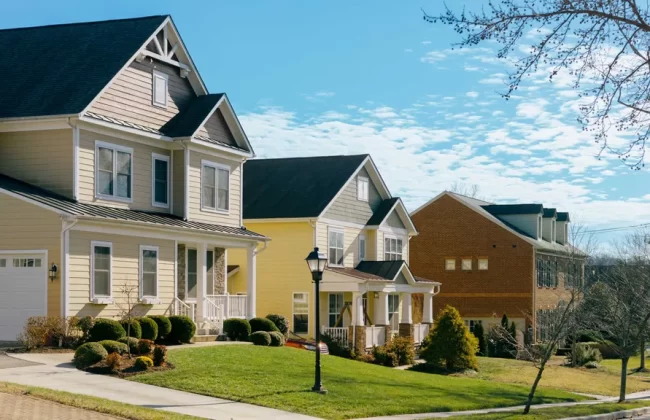
Air leaks are easy to ignore because they are not always visible, but they create real problems during extreme weather. Wind pushes air through small gaps around windows, doors, vents, and attic openings. That airflow carries moisture, which can lead to mold or damage inside walls.
Run your hand along the edges on a windy day. If you feel air movement, there is a leak. Caulking and weatherstripping are simple fixes that make a noticeable difference. Focus on areas where different materials meet, like window frames and siding. These joints tend to separate over time. Sealing these gaps keeps indoor temperatures stable and prevents outside conditions from affecting your home’s interior.
Managing Water Around Your Foundation
Water that collects around your home can weaken the foundation and cause long-term structural issues. During heavy rain, poor drainage allows water to pool near the base of the house. That moisture seeps into cracks and expands over time, making the problem worse.
Check the slope of the ground around your home. It should direct water away, not toward the walls. Gutters and downspouts should carry water far enough so it doesn’t return to the foundation. If you notice standing water after rain, that area needs attention. Damp smells in basements or lower levels often point to hidden moisture problems. Managing water flow properly protects the structure and reduces the risk of serious damage.
Reinforcing a Weak Garage Door
Garage doors often cover a large opening, which makes them vulnerable during strong winds. When a garage door fails, pressure builds inside the home and can affect the roof and walls. This is one of the most common points of failure during severe storms.
Look at how your garage door is built. Thin panels and weak tracks won’t hold up under stress. Reinforcement kits add support bars that help the door stay in place. In areas with frequent storms, a wind-rated garage door offers better protection. Make sure the tracks are securely attached and free of bending. The opener should also work smoothly without strain. A strong garage door helps maintain the overall stability of your home.
Outdoor Items That Turn Into Hazards
Loose items around your home can cause damage when strong winds pick up. Patio furniture, planters, grills, and even small decorative pieces can move quickly and strike windows, doors, or siding. Many homeowners overlook this risk until something breaks.
Take time to secure or store outdoor items before severe weather arrives. Anchor heavier pieces or move them into a garage or shed. Check fences and gates to make sure they are firmly attached and not leaning. Trees also need attention. Remove weak or dead branches that could fall during storms. Keeping your outdoor space under control reduces the chance of sudden damage and protects the structure of your home.
Planning for Power Outages Ahead of Time
Power outages often follow extreme weather, and they can last longer than expected. Without power, essential systems like refrigeration, lighting, and even some heating or cooling setups stop working. Planning ahead helps you avoid unnecessary stress.
A portable generator can keep basic appliances running, while a standby system offers more consistent support. Think about what you need most during an outage and plan around that. Keep extension cords rated for outdoor use and store fuel safely if you use a portable unit. It also helps to have backup lighting and a way to charge devices. Preparing for outages keeps your home functional when the grid goes down.
Preparing your home for extreme weather comes down to paying attention to the details that often get ignored. Each upgrade strengthens a different part of your home, from the roof down to the foundation. When these systems work together, your home handles stress more effectively and avoids preventable damage.
Start with what your home needs most right now. Fix small issues before they grow into bigger problems. Over time, these improvements create a safer and more reliable living space. You don’t need to do everything at once, but every step you take adds real protection.