
Understanding Different Types of Headaches
Headaches are a widespread health concern that impacts individuals of all ages and backgrounds. While many headaches are temporary and harmless, chronic or recurring cases can disrupt daily life and overall well-being. Alongside discomfort, headaches sometimes reveal deeper health issues such as dehydration, stress, or even digestive concerns like constipation. Addressing the root causes and types of headaches is essential to tailoring effective management strategies.
Differentiating among the various types of headaches is a key first step. The most common categories include:
- Tension Headaches: These present as a constant, dull ache around the forehead, temples, or back of the head and neck. Physical or emotional stress is usually the culprit behind this discomfort.
- Migraines: Characterized by intense, pulsating pain often focused on one side of the head. Migraines may be accompanied by nausea, heightened sensitivity to sound or light, and visual or sensory disturbances.
- Cluster Headaches: Intense, sudden pain around or behind one eye, occurring in groups or “clusters.” These episodes are shorter but more severe than tension headaches or migraines.
Identifying Common Headache Triggers
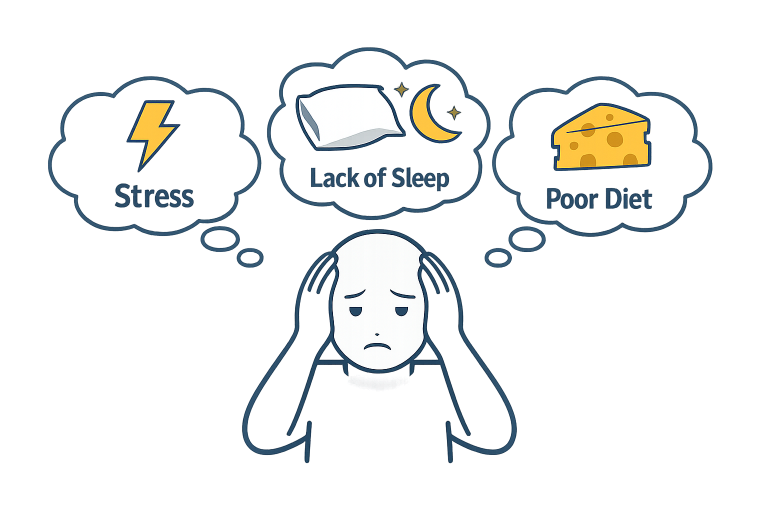
Preventing headaches often involves identifying the unique triggers for each individual. For instance, emotional or work-related stress can bring on a tension headache. Diet also plays a role, as aged cheeses, processed meats, excess caffeine, or alcohol are known provocateurs, particularly for those susceptible to migraines.
Sleep patterns are also pivotal, with both insufficient and excessive sleep capable of triggering headaches. Environmental stimuli, including flashing lights, loud noises, and strong odors, can be problematic for sensitive individuals. Recognizing these triggers and making necessary changes is instrumental in reducing headache frequency and intensity.
Hormonal fluctuations, such as those related to the menstrual cycle, pregnancy, or menopause, can also make individuals more susceptible to certain types of headaches. Additionally, weather changes such as shifts in barometric pressure can be significant headache triggers for some people. Understanding one’s own sensitivities and keeping tabs on such external factors can offer clues to minimizing headache episodes.
Effective Lifestyle Modifications
Lifestyle modifications are a crucial pillar in the ongoing management of headaches. Regular exercise, such as brisk walking, cycling, or swimming, can boost endorphins, the body’s natural pain-relieving chemicals. Maintaining a balanced diet with consistent meal timing and adequate hydration helps stabilize blood sugar levels and minimize dehydration-related headaches.
Individuals who practice stress management techniques, like yoga, meditation, or deep-breathing exercises, often experience relief from stress-induced headaches. Establishing a consistent sleep schedule further promotes restful sleep, which is essential in both preventing and alleviating recurrent headaches.
In addition to these foundational strategies, posture plays an often-overlooked role. Ergonomic adjustments in your work or home environment, such as proper chair height, keyboard placement, and frequent breaks, can help reduce the risk of tension headaches caused by muscle strain. Screen time limits and practicing eye exercises may also reduce eye strain, a significant contributor to headaches in today’s digital age.
Medical Interventions and Therapies
When lifestyle measures alone are insufficient, medical interventions and complementary therapies can play a significant role in headache management. Over-the-counter medications, such as acetaminophen or ibuprofen, can ease mild cases. For moderate to severe headaches, especially migraines or cluster headaches, prescription medications like triptans or preventive agents may be required under a physician’s guidance.
Alternative therapies are gaining traction for chronic or stubborn headaches. Acupuncture, biofeedback, and cognitive-behavioral therapy offer non-pharmacological options. Many headache sufferers report improvement after integrating these approaches into their overall management routine.
In some cases, physical therapy targeting neck and upper back muscles may relieve tension-related headaches and improve posture. For patients with complex or unresponsive symptoms, more specialized interventions, such as nerve blocks or Botox injections, may be considered under specialist care. Exploring all available therapeutic interventions with a qualified health professional ensures optimal and personalized outcomes.
Importance of Professional Consultation
Persistent, worsening, or unusually severe headaches should be evaluated by a healthcare professional. Sometimes headaches indicate underlying health conditions that require targeted treatment. A physician provides diagnostic expertise, ruling out serious causes and creating an individualized plan for management and prevention.
In addition, maintaining open communication with healthcare providers ensures safety and efficacy, particularly when considering prescription medication or advanced therapies.
Early intervention and advanced diagnostic tools, such as imaging or referral to a headache specialist, can help quickly identify conditions like migraines with aura, medication-overuse headaches, or rare neurological disorders. Timely and thorough evaluations foster well-informed treatment decisions that support patient safety.
Maintaining a Headache Diary
For individuals seeking more effective headache management, keeping a headache diary is a practical and empowering step. A diary should include the frequency, duration, and intensity of headaches, along with potential triggers such as food, activities, or emotional stress. This helps both the individual and their healthcare provider identify patterns and fine-tune preventive strategies.
Recording your responses to medications and therapies in your diary provides helpful insights into what works best for you. Over time, consistent documentation can shed light on trends, often making it easier to identify and modify aggravating habits while highlighting successful lifestyle adjustments.
Exploring Preventive Measures
For people who suffer from frequent or debilitating headaches, preventive strategies may be indicated. Daily prescription medications can significantly reduce the number and severity of attacks, especially for chronic migraine sufferers. Behavioral therapies, such as cognitive-behavioral therapy, work to alter stress responses and develop better coping mechanisms during headaches.
Regular medical check-ups help evaluate progress, ensure prescribed treatments remain effective, and detect any changes in symptom patterns that may warrant further investigation or adjustment.
In addition to medication and behavioral interventions, exploring supplements and preventive approaches such as magnesium, riboflavin, or coenzyme Q10 under a healthcare provider’s supervision can be beneficial for some patients. Emerging research continues to identify new lifestyle and therapeutic advances, so ongoing patient education and collaboration with specialists are crucial aspects of sustained headache prevention.
Final Thoughts
A well-rounded strategy integrating lifestyle modifications, medical treatments, and preventive efforts is fundamental to effective headache management. By understanding the different types of headaches, identifying common triggers, and creating a tailored intervention plan, individuals can take meaningful steps to alleviate pain and regain control over their health. For further advice and information on headache management guidelines, the Centers for Disease Control and Prevention’s headache resources are also a valuable reference.
Ultimately, a collaborative, proactive approach empowers individuals to advocate for their well-being, reduces the burden of recurring headaches, and promotes a healthier, more fulfilling life. Continual education, self-monitoring, and a willingness to explore new strategies are keys to lasting headache relief.