
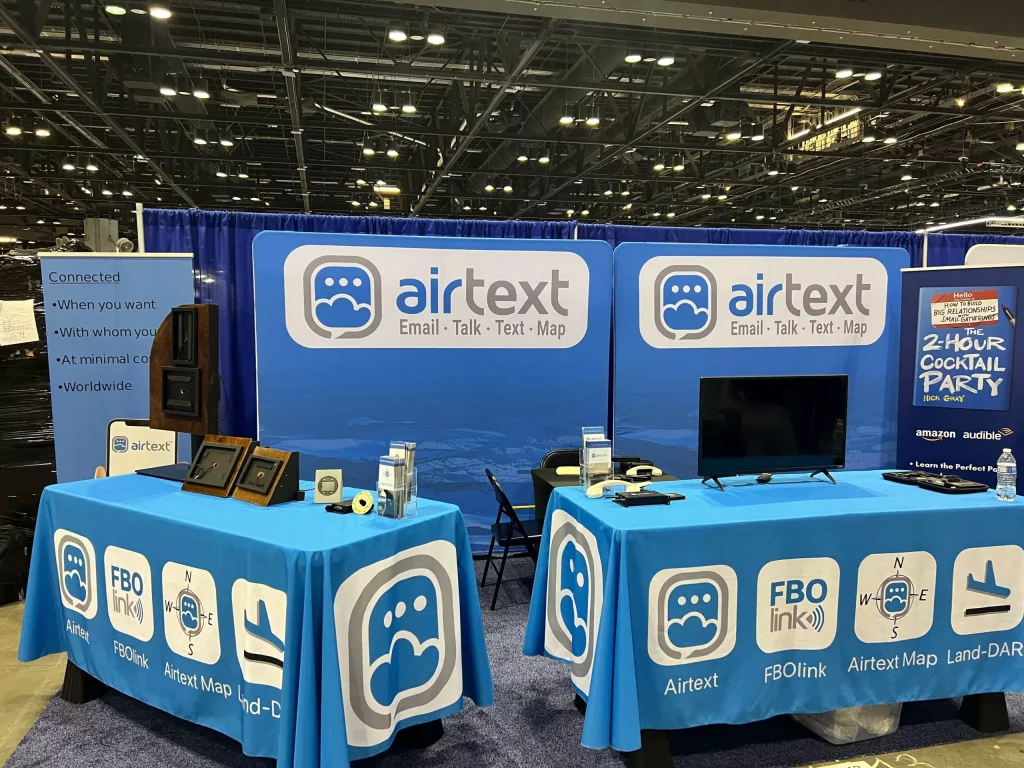
Exhibition tents are designed to provide visibility, protection, and brand presence at high-paced events. Nonetheless, the highest-quality tent may be damaged prematurely due to faulty setup. The bending of frames, tearing of cloths, shaky construction, and weakening of branding are usually due to preventable errors and not defective material. The setup practices are very important in ensuring the longevity and performance of all structures, whether a large custom building or a printed pop-up tent. Identifying common causes of problems and avoiding them can prolong the lifespan of exhibition tents, minimize incidents affecting safety and stability, and maintain professionalism on every occasion.
Five Common Tent Setup Mistakes and How to Avoid Them
1. Rushing Frame Expansion Without Proper Alignment
The damage to the tent is usually one of the most common during the first expansion of the frame. Frames are designed in such a way that they open evenly, and pulling either direction on the frame causes undue tension on joints and scissor mechanisms. This is particularly concerning with a branded 10×10 tent, where smaller frames might seem fuss-free to install, yet they still need to be handled equally.
It is necessary to align the legs correctly, with all providing the same amount of extension and connectors in place. Slow, progressive spreading will enable the building to rest into place. Metal fatigue and joint misalignment may occur over time if frames are forced or twisted during installation, and in the long run, there will be instability and weakening of the load-bearing capacity.
2. Improper Anchoring and Weight Distribution
The inability to procure a tent is one of the most debilitating setup errors, especially in outdoor setups. The structure is subjected to wind and an irregular surface, as well as pedestrian traffic. A tent will blow over even with a small gust of wind, which will strain the frame and rip the material, unless it is properly anchored.
Successful anchoring entails the matching of the securing method to the surface. Distribution stability. Stability is achieved using weight plates or sandbags on hard surfaces or stakes and ground anchors on grass or soil. Evenly distributed weight in all legs eliminates uneven strain. Regular anchoring will protect the tent and the surrounding area.
3. Attaching Canopy Fabric Incorrectly
Canopy fabric is planned to be compatible with the frame, with the appropriate tension to hold the fabric and withstand environmental influences. Improper connections, such as imbalances in fastenings or omissions of fastenings, can result in drapery hanging, gathering in the rain, or flapping in the wind.
Fabric must be firmly fixed as per the manufacturer’s instructions, and all corners and points of attachment must be tensioned uniformly. Tightness may strain seams, and loosely attached seams may lose stability. Proper installation not only keeps the fabric intact but also renders it appealing in terms of aesthetics and minimizes wear caused by unnecessary movement.
4. Ignoring Ground Conditions and Surface Preparation
During the setup, unequal or inappropriate ground conditions are usually not considered, creating instability and frame distortion. When they are placed on a sloped surface, loose gravel, or soft soil without modifications, this exerts an unequal force on the tent legs. This will lead to bent frames and weak joints over time.
Assessment of surfaces and their adjustment should be done before setup. Stability can be greatly enhanced by leveling of leg heights, base plates, or moving the tent. Preparation of surfaces should be done thoughtfully so that the structural load is distributed evenly, minimizing stress points and increasing the useful life of the tent.
5. Improper Packing and Storage After Use
State does not necessarily happen during setup, but inadequate takedown and storage can be equally detrimental. Bending the frames when they are under tension, releasing wet clothes, or cramming the parts into transport cases can result in corrosion, fabric mildew, and mechanical damage.
Tents must be completely dry and packed up, with the frames folded and the cloth laid out without sharp creases. Abrasion and moisture exposure are avoided by applying protective covers and using special storage cases. Adequate packing techniques maintain structural and aesthetic value, helping ensure stable performance in future events.
End Point
The destruction of tents is hardly unavoidable; the majority of the problems are caused by preventable errors in the setup and handling. Proper expansion of frames, proper anchoring, proper fixing of fabrics, proper knowledge of surfaces, and proper storage all help ensure there is no unnecessary damage to exhibition tents. When setup is treated as an exact process rather than a rush, businesses protect their investment, events are presented professionally, and performance is maintained throughout. These details turn a risk factor into an aspect of reliability.