Every car enthusiast understands the deep connection between driver and machine. The engine is more than just a piece of hardware; it’s the heart of your vehicle, the source of its power and personality.
For those of us who appreciate the intricate dance of valves, and gears, the goal is always to keep that heart beating strong for as long as possible. Learning how to maximize the life of your car’s engine isn’t just about maintenance; it’s about nurturing a critical component of a machine you love.
Regular Fluid Checks and Changes
Fluids are the lifeblood of your engine. They cool, lubricate, clean, and protect its many moving parts. Neglecting them is one of the fastest ways to cause irreversible damage.
The Critical Role of Engine Oil
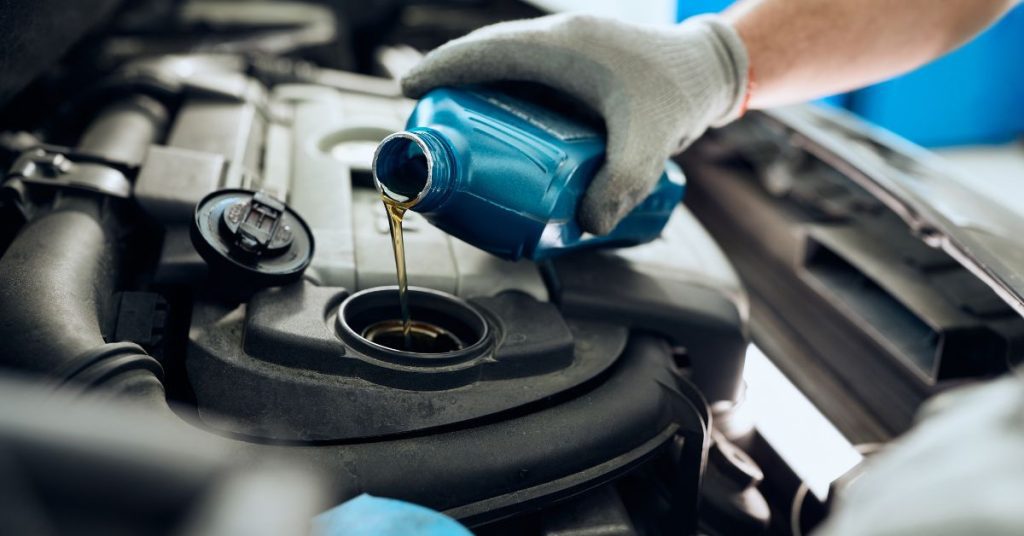
Engine oil lubricates moving components, reduces friction, and helps dissipate heat. Over time, oil breaks down and collects contaminants, which can turn it into a sludge that clogs passages and accelerates wear. Adhering to a regular oil change schedule is the single most effective thing you can do for your engine.
Check your owner’s manual for the recommended oil type and change interval. Synthetic oils also generally offer better protection and longer intervals, but the cost-benefit depends on your vehicle and driving habits.
Coolant and Other Vital Fluids
Coolant, also known as antifreeze, circulates through the engine to absorb heat and then releases it through the radiator. Over time, the protective additives in coolant deplete, which can lead to corrosion and system failure.
A coolant flush should be performed according to your manufacturer’s recommendation, typically every 30,000 to 50,000 miles. Don’t forget about other fluids like transmission fluid, brake fluid, and power steering fluid. Each plays a specific role in your vehicle’s operation and requires periodic attention.
Pay Attention to the Cooling System
An engine that runs too hot will wear out quickly. The cooling system is your engine’s primary defense against heat-related damage.
Radiator and Hoses
Keep the radiator’s exterior clean from bugs, leaves, and other road debris, which can block airflow and reduce its efficiency. The hoses that carry coolant between the engine and radiator are also failure points.
They are made of rubber and can become brittle, crack, or swell over time. A visual inspection of the hoses during regular maintenance can help you spot potential problems before they lead to a catastrophic failure.
Water Pump
The water pump is the component that circulates the coolant through the system. A failing water pump often provides warning signs, such as a coolant leak from the front of the engine or a whining noise. This component is usually replaced as part of preventative maintenance at higher mileages.
Adopt Smart Driving Habits

The way you drive has a direct effect on your engine’s longevity. Aggressive driving puts additional stress on all powertrain components.
Warm-Up and Cool-Down
Modern engines don’t require long warm-up periods like the carbureted engines of the past. Still, it’s wise to drive gently for the first few minutes after a cold start. This allows the oil to reach operating temperature and properly circulate, providing full lubrication to all parts.
The same principle applies to vehicles with turbochargers. After a spirited drive, allow the engine to idle for a minute or two before shutting it off. This small step can influence how long turbochargers last and prevent premature failure.
Smooth and Steady
Constant, hard acceleration and braking are tough on your engine and transmission. Smooth inputs are much better. Try to anticipate traffic flow to avoid sudden stops and starts.
On the highway, using cruise control can help maintain a steady speed, which reduces engine load and improves fuel economy. Consistent, gentle driving minimizes wear and tear on internal components.
Use Quality Parts and Fuel
The components and fuel you put into your car have a direct impact on the engine’s health and performance.
Filters are Your Friend
Your car uses several filters to keep contaminants out of its systems. The oil filter removes debris from the engine oil. The fuel filter catches sediment in the gasoline before it reaches the injectors.
The air filter stops dust, dirt, and other particles from being ingested into the engine. A clogged air filter can restrict airflow, which reduces power and fuel efficiency. All these filters should be replaced at the intervals suggested in your vehicle’s service manual.
The Right Fuel Matters
Most vehicles are designed to run on regular-grade gasoline. Using a higher-octane fuel in a car that doesn’t require it typically offers no benefit. For high-performance or turbocharged engines that specify premium fuel, using a lower-octane gas can lead to engine knocking or pinging.
This phenomenon, called pre-ignition, can cause serious engine damage over time. Always use the fuel grade recommended by your manufacturer.
Don’t Ignore Warning Signs
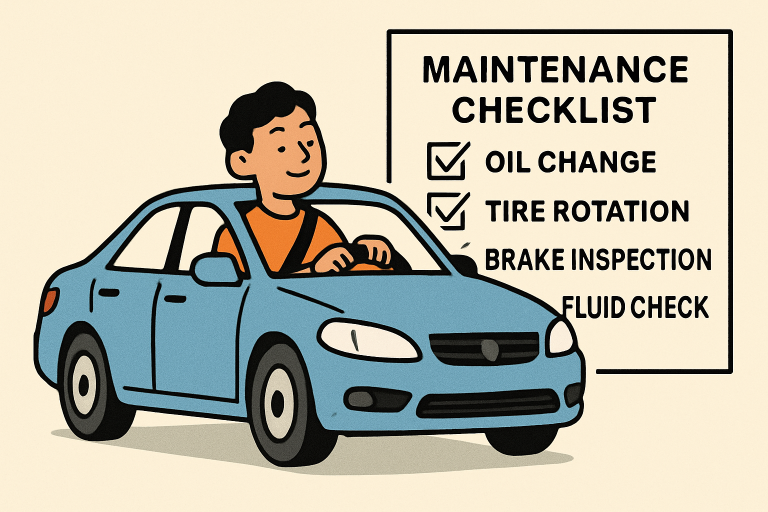
Your car has a sophisticated system of sensors that monitor its operation and alert you to potential problems.
The Check Engine Light
The dreaded check engine light can illuminate for dozens of reasons, ranging from a loose gas cap to a serious engine misfire. Do not ignore it. You can purchase an inexpensive OBD-II scanner to read the diagnostic trouble code yourself, which can give you an idea of the problem’s severity. Some issues are minor, but others can cause cascading damage if left unaddressed.
Listen to Your Engine
Beyond dashboard lights, pay attention to the sounds your car makes. New or unusual noises are often the first indication of a developing problem. A ticking sound could indicate low oil or a valve train issue.
Meanwhile, a deep knocking sound might signal a serious internal problem with bearings. Identifying and diagnosing these sounds early can help you fix a small problem before it becomes a large one.
The Path to Engine Immortality
By performing regular maintenance, using quality components, adopting mindful driving habits, and staying vigilant for warning signs, you can extend the operational life of your vehicle. Learning how to maximize the life of your car’s engine is an ongoing process of care and attention. This dedication not only preserves your vehicle but also deepens your understanding and appreciation for the complex engineering that powers your journeys.