
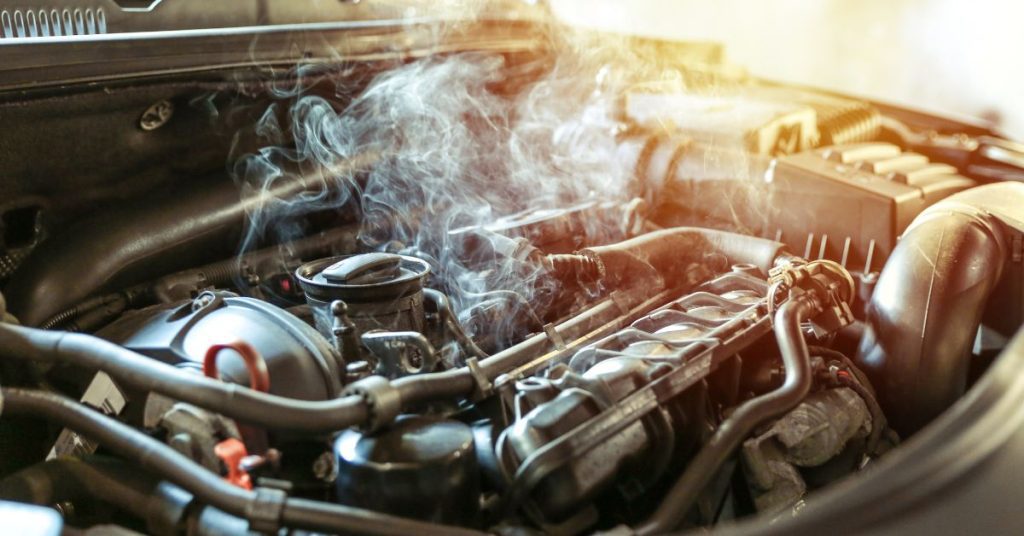
Every internal combustion engine is built around controlled explosions. These rapid bursts of energy generate the power that keeps vehicles moving, but they also produce significant heat. While a certain level of heat is necessary for efficient combustion, excessive temperatures can quickly become destructive. This delicate balance makes heat management one of the most important aspects of maintaining long-term engine performance.
Engines are designed to operate within a specific temperature range. When that range is exceeded, components begin to expand beyond their intended tolerances, lubrication breaks down, and materials weaken over time. Without knowing how heat management impacts your engine’s long-term performance, even a well-built engine can suffer premature wear, reduced efficiency, and eventual failure.
How Excess Heat Affects Engine Components
When an engine runs too hot for extended periods, the effects ripple through nearly every component. Metal parts expand under high temperatures, which can lead to increased friction and stress. Over time, this stress contributes to warping, cracking, and misalignment in critical engine parts such as cylinder heads and pistons.
Excessive heat also accelerates the breakdown of engine oil. Oil is responsible for reducing friction and carrying heat away from moving parts, but when temperatures rise too high, it loses its viscosity and protective qualities. This leads to increased metal-on-metal contact, which significantly speeds up wear and tear.
Gaskets and seals are particularly vulnerable to heat damage. Prolonged exposure to high temperatures can cause them to harden, crack, or fail altogether. Once these components degrade, leaks can develop, further compounding the problem by allowing coolant or oil to escape and reducing the engine’s ability to regulate temperature effectively.
The Relationship Between Heat and Engine Efficiency
Heat management is not just about preventing damage; it also plays a key role in maintaining engine efficiency. Engines that operate within their optimal temperature range burn fuel more effectively, producing better power output and improved fuel economy.
When an engine overheats, combustion becomes less efficient. The air-fuel mixture may not ignite as cleanly, leading to incomplete combustion and reduced performance. This inefficiency can result in increased fuel consumption, higher emissions, and a noticeable drop in power.
On the other hand, an engine that runs too cool can also suffer. Low temperatures can prevent proper fuel vaporization, leading to poor combustion and increased carbon buildup. This highlights the importance of maintaining a balanced thermal environment rather than simply trying to keep temperatures as low as possible.
Long-Term Consequences of Poor Heat Management
Over time, inadequate heat management can lead to a cascade of problems that affect the entire engine system. Repeated overheating events weaken materials and reduce the lifespan of key components. Even minor overheating incidents can leave behind lasting damage that accumulates over thousands of miles.
One of the most serious consequences is engine knocking or pre-ignition. Excessive heat can cause the air-fuel mixture to ignite prematurely, creating shockwaves that damage pistons and cylinder walls. This not only reduces performance but can also lead to catastrophic engine failure if left unaddressed.
Cooling system components are also at risk. Radiators, water pumps, and hoses can degrade under constant thermal stress, reducing their effectiveness over time. As these parts wear out, the engine becomes even more susceptible to overheating, creating a cycle that accelerates overall deterioration.
The Role of Cooling Systems in Heat Control
Modern engines rely on a combination of systems to regulate temperature effectively. The cooling system is at the center of this effort, using coolant to absorb heat from the engine and transfer it to the radiator, where it is dissipated into the air.
The thermostat plays a crucial role in maintaining the correct operating temperature by controlling the flow of coolant. When functioning properly, it ensures that the engine warms up quickly and stays within its optimal range during operation.
Airflow is another important factor. Radiators depend on a steady flow of air to remove heat from the coolant. Obstructions, debris, or malfunctioning fans can reduce this airflow, making it harder for the engine to cool down, especially during heavy use or in hot weather conditions.
Ways to Better Control Heat
Maintaining proper heat levels requires a combination of preventative care and smart driving habits. Regular maintenance of the cooling system is essential, including checking coolant levels, inspecting hoses, and ensuring that the radiator is clean and free of debris. Using the correct type of coolant and replacing it at recommended intervals helps maintain its effectiveness in heat transfer.
Engine oil also plays a significant role in heat management. Choosing high-quality oil with the appropriate viscosity ensures that it can withstand high temperatures without breaking down. Regular oil changes prevent the buildup of contaminants that can reduce its cooling and lubricating properties.
Driving behavior can have a noticeable impact on engine temperature. Avoiding excessive idling, reducing aggressive acceleration, and allowing the engine to warm up gradually all help minimize unnecessary heat buildup. For vehicles used in demanding conditions, such as towing or performance driving, additional cooling solutions like upgraded radiators or oil coolers can provide extra protection.
Thermal barriers offer a robust solution when it comes to heat protection for automotive parts. Cerakote is one coating that has many protective qualities that can enhance heat regulation in your engine as well as other parts that endure regular heat exposure.
The Impact of Heat on Modern Engine Technologies
As engines become more advanced, heat management has become even more critical. Turbocharged engines, for example, generate additional heat due to increased air compression. While they offer improved performance and efficiency, they also place greater demands on cooling systems.
Modern materials and engineering techniques have improved heat resistance, but they are not immune to the effects of prolonged high temperatures. Electronic components and sensors, which play a vital role in engine management, can also be affected by heat, leading to inaccurate readings or system malfunctions.
Manufacturers continue to develop innovative solutions to address these challenges, including improved cooling system designs, heat-resistant materials, and advanced thermal management strategies. However, these systems still rely on proper maintenance and care to function effectively over the long term.
Recognizing Early Signs of Heat-Related Issues
Identifying heat-related problems early can prevent more serious damage down the line. One of the most obvious signs is an elevated temperature gauge reading, which indicates that the engine is running hotter than normal. Steam or a sweet smell coming from the engine bay can signal a coolant leak or overheating condition.
Other warning signs may be less obvious but equally important. A sudden drop in engine performance, unusual knocking sounds, or frequent need to top off coolant can all point to underlying heat management issues. Addressing these symptoms promptly can help avoid costly repairs and extend the life of the engine.
Why Consistent Heat Management Matters for Longevity
Engines are long-term investments, and their performance depends heavily on how well they are maintained. Consistent heat management ensures that all components operate within their intended limits, reducing wear and preventing damage. By understanding how heat management impacts long-term engine performance and what can be done to improve it, drivers can maintain optimal performance, improve fuel efficiency, and reduce the likelihood of unexpected breakdowns. Over time, this not only extends the life of the engine but also lowers overall maintenance costs.