

A dynamic office setup shapes how people think, interact, and perform each day. Organizations that invest in intentional design often see measurable gains in morale, output, and retention. The physical environment sends a clear message about values, priorities, and respect for employee needs.
Modern offices must respond to change with confidence and clarity. Market shifts, team expansion, and new technology require adaptable spaces that support focus and collaboration. A well-considered setup reduces friction, supports safety, and strengthens culture across every department.
Leaders who approach office design with purpose create environments that inspire trust and accountability. Strategic choices about layout, furniture, light, and shared areas influence how effectively teams achieve goals. These strategies to create a more dynamic office environment will help you create a space that meets all your business requirements.
Flexible Layout Zones
A flexible layout allows teams to adapt space for varied tasks without costly renovation or constant disruption across departments within modern offices worldwide. Movable desks and modular partitions create options that suit private focus work as well as open discussion among project teams in diverse corporate settings daily. Clear pathways reduce clutter and support safe movement between zones, which improves morale and preserves order throughout the workday for every staff member and visitor.
Leaders should review spatial data before each redesign to confirm that square footage meets operational demands and reflects future growth plans across the entire company. Thoughtful space allocation prevents overcrowded areas and ensures that resources remain accessible to staff who require quiet concentration or active collaboration at peak demand periods. When managers evaluate patterns of use, they can adjust furniture placement to maintain a balance between comfort, productivity, and professional image across all departments and roles.
Intentional Light Design
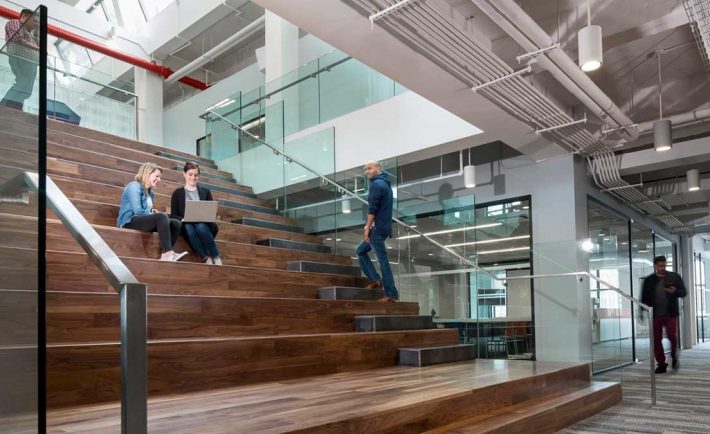
Natural light enhances alertness and supports positive mood, which contributes to higher productivity and stronger engagement across departments within the office environment. Strategic desk placement near windows allows employees to benefit from daylight exposure while glare control measures protect screens and visual comfort. Layered light sources create depth and reduce harsh contrast, which supports tasks that require precision, accuracy, and sustained visual attention each day.
Task lamps offer direct illumination for detailed assignments and provide autonomy to employees who need varied brightness levels for specialized duties. Wall fixtures and ceiling alternatives should distribute light evenly to prevent shadowed corners that can affect safety and overall perception of space. Routine assessment of light intensity ensures compliance with occupational standards and preserves a consistent atmosphere that aligns with brand identity.
Ergonomic Furniture Selection
Ergonomic chairs and desks support posture and reduce physical strain, which helps employees sustain focus and maintain energy throughout extended work sessions each week. Adjustable features allow staff to tailor their workstations to personal needs, which promotes comfort and decreases fatigue across diverse roles within the organization. Quality materials extend product lifespan and reinforce a professional atmosphere that reflects organizational standards and commitment to employee welfare at every level.
Procurement teams should assess durability certifications and manufacturer data before final purchase decisions to confirm long term value and structural reliability. To protect staff and assets, learning why you should check office furniture load ratings will help you ensure your setup meets specific requirements. Attention to technical specifications reduces the risk of equipment failure and demonstrates responsible oversight from leadership toward operational excellence and workplace safety.
Collaborative Areas With Purpose
Dedicated collaboration zones encourage idea exchange and reinforce a culture of transparency, trust, and shared accountability among cross-functional teams. Comfortable seating arrangements within these zones invite participation and help break down hierarchical barriers that may limit open dialogue. Writable surfaces and digital displays support clear communication and allow teams to visualize objectives, milestones, and performance metrics.
Leaders must define expectations for shared spaces to prevent noise conflicts and maintain respect for colleagues who require quiet focus nearby. Acoustic panels and soft furnishings absorb excess sound, which preserves concentration across adjacent work areas without isolating team members. Clear scheduling protocols ensure equitable access to collaboration areas and reduce confusion about availability or priority use.
Smart Storage Solutions
Effective storage reduces visible clutter and supports efficient retrieval of essential documents, tools, and equipment across departments. Cabinets with secure locks protect confidential materials and reinforce compliance with data protection standards within regulated industries. Clearly labeled compartments simplify organization and save time that employees might otherwise waste on misplaced resources.
Vertical storage units maximize available floor area and preserve open pathways that contribute to safety and visual order. Centralized supply stations prevent duplication of materials and help control operational costs across multiple teams. Periodic audits of stored items encourage the disposal of obsolete assets and maintain an environment that reflects discipline and care.
Technology Integration
Integrated technology infrastructure supports seamless communication and data exchange between on-site staff and remote partners. Reliable network access across the office ensures that employees can complete tasks without interruption or preventable delay. Charging stations positioned at strategic points reduce cable clutter and promote safe device use throughout the workspace.
Conference equipment should align with organizational needs and provide clear audiovisual performance for client presentations. User-friendly interfaces lower the learning curve and allow employees to adopt new systems with confidence and minimal frustration. Routine system evaluation confirms compatibility with security protocols and protects sensitive information from unauthorized access.
Brand Aligned Design Elements
Office design should reflect corporate identity through color palettes, materials, and visual themes that communicate mission and values. Consistent aesthetic choices reinforce brand recognition and create a cohesive experience for employees, clients, and visitors. Artwork and signage can highlight achievements, milestones, and community engagement initiatives across the organization.
Reception areas often form first impressions, so furniture selection and layout must project professionalism and warmth. High-quality finishes convey stability and attention to detail, which influence stakeholder perception and trust. Periodic updates to decorative elements keep the environment fresh and aligned with evolving strategic direction.
Continuous Evaluation And Improvement
Creating a dynamic office setup requires regular assessment to confirm alignment with strategic objectives and workforce expectations. Employee feedback surveys provide insight into satisfaction levels and highlight opportunities for targeted refinement. Data-driven review of space utilization supports informed decisions about future investment and resource allocation.
Leadership should establish clear metrics that measure the impact of design choices on productivity, retention, and collaboration. Transparent communication about planned adjustments builds trust and invites constructive input from staff across departments. A culture of evaluation ensures that the office evolves in step with organizational growth and market demand.
A dynamic office setup does not emerge from chance or short-term trends. It results from a deliberate strategy that balances flexibility, safety, comfort, and brand alignment. Each design decision shapes daily experience and influences how effectively teams pursue shared objectives.
From ergonomic furniture and flexible layouts to integrated technology and wellness amenities, every element plays a distinct role in organizational success. Leaders who commit to thoughtful evaluation and consistent improvement create environments that adapt with confidence. Through disciplined planning and informed investment, any organization can build an office setup that supports performance, strengthens culture, and sustains long term growth.