
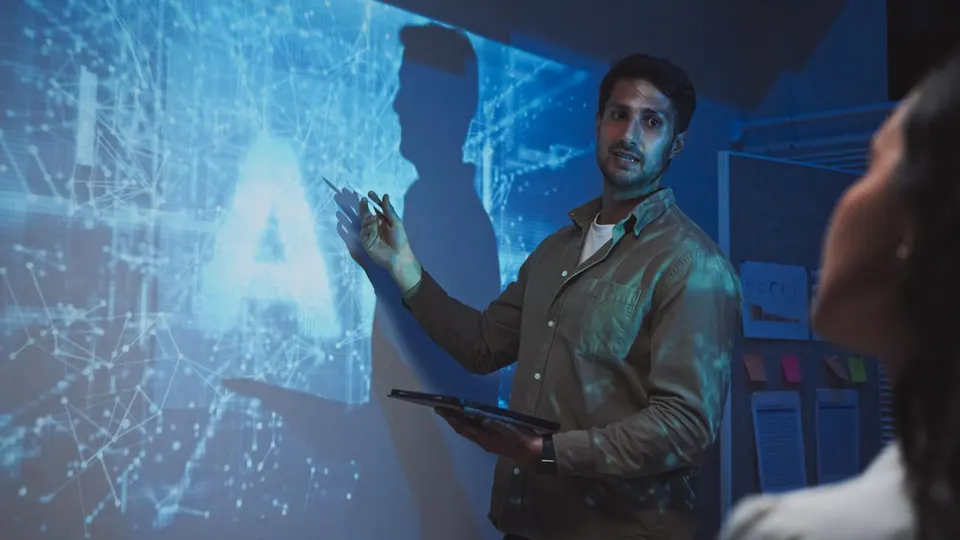
Have you ever opened your laptop on a Monday morning, looked at the flood of updates, alerts, new tools, and random “urgent” messages, and thought, “There is no way anyone can keep up with all this”? Most people in IT feel that way at least once a week, and it’s not because they don’t know their jobs, but because technology shifts so fast that even strong leaders have moments where everything seems slightly out of control. That’s the world IT leaders are walking into, and it’s changing faster than any of us expected.
Why IT Leadership Keeps Shifting Under Our Feet
It’s pretty clear that IT leadership doesn’t look the same anymore. Every part of work depends on apps, cloud tools, and data dashboards, so leaders end up juggling people problems and system issues in the same afternoon. Some days it feels like everything updates at once, and nobody remembers who approved what, which makes the role shift even more.
Many professionals try to build a stronger base before stepping into these roles, and one way they do that is by starting an online master’s in MIS. Florida Tech offers the Master of Science in Management with a concentration in Information Systems, and it focuses on leadership, research, and practical problem-solving. That kind of structure helps people feel ready for the fast pace of tech work.
The reality is that IT leaders guide teams, tools, security risks, and unexpected chaos all at once. It’s messy. It’s busy. And honestly, it just might change every month. But that’s also the reason why the job keeps evolving and why people look for ways to stay ahead of it.
The Skills Leaders Need Right Now
Most people assume IT leaders only need technical skills, but the job asks for much more than knowing how a system works. Leaders have to talk to people who don’t speak “tech” at all, and they also have to explain decisions to those who speak it a little too much, which makes communication one of the most important skills today. Clear explanations help everybody breathe easier.
Then there’s the need for better decision-making, especially when data drives almost every choice. Leaders don’t need to be data scientists, but they do need to know what the data means and when to challenge it. The same goes for cybersecurity. Every week brings a new headline about a hack or leak, so leaders are expected to understand the risks and make sure their teams stay aware too.
How Automation and AI Are Reshaping the Job
Automation is everywhere. It reminds us of tasks we forgot, sorts things we didn’t want to sort, and runs checks nobody has time to do manually, which sounds great until a system breaks and everyone waits for the one person who understands what went wrong. AI adds another layer, since tools now predict issues before people even notice them, and this shifts the leader’s job from solving problems to understanding how problems travel through systems.
Some leaders joke that AI is like a coworker who’s always right but never explains how it reached the answer, which is funny because it’s true, and frustrating because it’s also true. To manage this mix of efficiency and uncertainty, IT leaders learn to ask better questions, guide teams through weird system behaviors, and prepare for the day AI tools change again without warning.
Cybersecurity Isn’t Optional Anymore
One of the biggest changes in IT leadership involves security. Years ago, cybersecurity felt like something handled by a separate specialist team, but now it shapes decisions across entire organizations. Leaders think about threats even when they’re not trying to think about threats, because every new app or connection creates a small window where things can go wrong. And when something does go wrong, people look to the IT leader first, even when the issue started somewhere else.
This isn’t meant to sound stressful, even though it sort of is. It’s more about understanding how leaders protect trust, not only technology. When a system stays safe, customers and employees feel safe too, and that confidence matters more each year.
Why Emotional Intelligence Matters More Than Ever
With remote work, time zone gaps, and teams spread across countries, leaders rely on emotional intelligence more than they did before we all lived on video calls. A good leader notices when someone seems burned out, confused, or disconnected, even if the person insists everything is fine. Teams follow leaders who care, and they stay longer when they feel understood.
It doesn’t require perfect communication or flawless pep talks. It just requires patience, real listening, and the ability to manage stress without passing it to everyone else. Some days that’s easy, and some days it isn’t, but that’s why emotional intelligence has become a core leadership skill.
The future of IT leadership is all about technology, communication, strategy, and steady nerves, and none of it works without leaders who adapt when things shift fast. Those who stay open to learning and willing to adjust will find that even a noisy, ever-changing digital world becomes easier to lead. And while the future might feel uncertain at times, the people ready to grow with it will always have a place in it.