
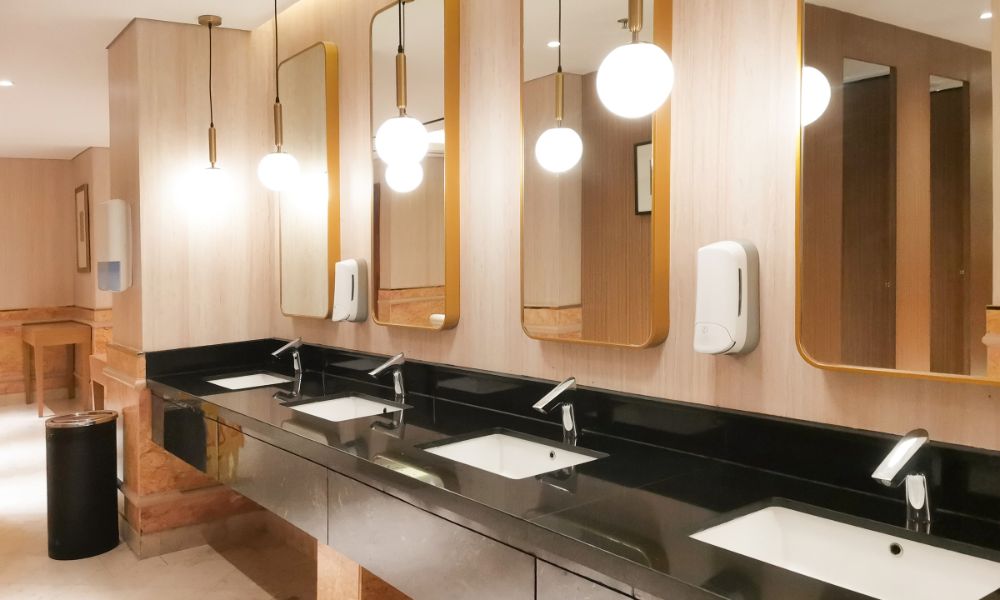
Commercial restrooms face unique challenges that residential bathrooms simply don’t encounter. High traffic volume, diverse user habits, and constant use throughout the day create conditions that allow germs and bacteria to thrive. Business owners who prioritize restroom hygiene protect their customers’ health while creating a positive impression that reflects their commitment to cleanliness and professionalism.
A well-maintained commercial restroom does more than meet basic sanitation requirements. It demonstrates attention to detail, builds customer confidence, and can even influence purchasing decisions. Studies show that customers form lasting opinions about businesses based on restroom cleanliness, making this often-overlooked space a critical component of customer experience.
The good news is that creating a more hygienic commercial restroom doesn’t require a complete overhaul. Strategic improvements in design, equipment selection, and maintenance practices can dramatically improve cleanliness while reducing long-term costs and maintenance headaches.
Common Hygiene Problems and Their Real Impact
Commercial restrooms face several persistent hygiene issues that extend beyond superficial appearance problems.
Transfering Germs
High-touch surfaces like door handles, faucets, and paper towel dispensers become breeding grounds for bacteria when multiple people use them throughout the day. These contact points transfer germs from person to person, creating a cycle of contamination that traditional cleaning methods struggle to break.
Pooling Water
Water pooling around sinks and on floors creates additional problems. Standing water doesn’t just look unsanitary—it provides the moisture that bacteria need to multiply rapidly. When combined with soap residue, skin cells, and other organic matter, these wet areas become perfect environments for harmful microorganisms.
Improper Air Circulation
Poor air circulation compounds these issues by trapping odors and moisture inside the restroom space. Without proper ventilation, humidity levels rise, creating conditions that allow mold and mildew to develop on surfaces and in hidden areas, such as behind fixtures or within wall cavities.
Health Code Violations
The financial impact of these hygiene problems extends beyond cleaning costs. Businesses with unsanitary restrooms risk potential health code violations, negative online reviews, and lost customers who opt for competitors with cleaner facilities.
Smart Design and Layout Strategies
Thoughtful restroom design can prevent many hygiene problems before they start. Creating clear traffic flow patterns reduces crowding and minimizes the time people spend in proximity to surfaces and fixtures. Wide entrance areas and the strategic placement of fixtures enable users to navigate the space efficiently, avoiding unnecessary contact with surfaces.
Choosing the right flooring materials can make a significant difference in long-term cleanliness. Non-porous materials like sealed concrete, luxury vinyl tile, or commercial-grade ceramic resist moisture penetration and allow thorough cleaning. Avoiding grout lines where possible eliminates spaces where dirt and bacteria can accumulate over time.
Wall surfaces benefit from similar material considerations. Smooth, non-porous wall coverings like fiberglass-reinforced panels or high-quality paint systems resist moisture and allow easy sanitization. These materials also resist damage from regular cleaning with commercial-strength disinfectants.
Proper drainage design prevents water from pooling on floors. Installing floor drains in strategic locations and creating gentle slopes toward these drains helps direct water away from high-traffic areas. This simple design element reduces slip hazards and eliminates standing water, where bacteria can multiply.
Fixtures That Promote Hands-Free Operation
Modern commercial restroom fixtures have evolved to minimize surface contact while maintaining functionality and durability. Automatic flush valves eliminate the need for users to touch handles, reducing cross-contamination while maintaining consistent flushing performance. These systems also prevent water waste from toilets that users forget to flush.
Motion-activated faucets serve a similar purpose as handwashing stations. Users can wash their hands thoroughly without having to touch potentially contaminated handles. When you install a wall-mounted soap dispenser with motion activation, you create a completely touch-free handwashing experience that encourages proper hygiene while reducing maintenance needs.
Paper towel dispensers equipped with infrared sensors permit users to retrieve towels without touching the dispenser’s surface. These systems often include portion control features that reduce waste while providing adequate paper for proper hand drying. Some advanced models even monitor supply levels and alert maintenance staff when refills are needed.
Automatic door systems represent the ultimate in hands-free restroom access, although they require a more significant investment and additional infrastructure considerations. For facilities where automatic doors aren’t practical, installing door pulls instead of push handles on exit doors allows users to open doors with their foot or elbow rather than their hands.
Ventilation and Air Quality Management
Proper ventilation removes moisture, odors, and airborne contaminants from commercial restrooms. Exhaust fans must move a sufficient air volume to create negative pressure, preventing odors from escaping into adjacent areas. Most building codes specify minimum ventilation rates, but exceeding these minimums often provides better results.
Strategic placement of exhaust vents maximizes the effectiveness of air circulation. Positioning exhaust points away from air supply vents prevents short-circuiting that reduces ventilation efficiency. Installing multiple smaller exhaust points often works better than single large vents, especially in larger restroom facilities.
HVAC systems should maintain suitable temperature and humidity levels throughout the year. Excess humidity encourages bacterial growth and creates uncomfortable conditions for users. During summer months, air conditioning helps control humidity, while winter heating prevents condensation on cold surfaces.
Air filtration systems can provide additional benefits in high-traffic commercial restrooms. HEPA filters remove airborne particles, including bacteria and viruses, improving overall air quality. UV-C germicidal lamps, when installed in HVAC systems or as standalone units, can effectively kill airborne pathogens. These systems require professional installation and regular maintenance.
Effective Cleaning Products and Practices
Selecting appropriate cleaning products for commercial restroom maintenance requires balancing effectiveness against surface compatibility and user safety. EPA-registered disinfectants provide verified antimicrobial activity; however, different products are more effective on specific types of soiling and surface materials.
Daily cleaning protocols should address all surfaces, not just obvious problem areas. High-touch surfaces like door handles, faucets, and dispensers require multiple cleanings throughout the day in high-traffic facilities. Floor cleaning must remove both visible soil and invisible bacterial contamination using appropriate detergents and disinfectants.
Deep cleaning schedules supplement daily maintenance with intensive procedures that address areas that daily cleaning might miss. Weekly or monthly deep cleaning includes tasks like scrubbing grout lines, cleaning behind fixtures, and sanitizing regions that don’t receive regular attention.
Cleaning supply management affects both hygiene outcomes and cost control. Implementing dispensing systems that provide measured amounts of cleaning chemicals reduces waste while maintaining effectiveness. Training staff to follow dilution ratios correctly prevents both inadequate cleaning and surface damage from overly concentrated solutions.
Staff Training and Hygiene Protocols
Comprehensive staff training creates consistent cleaning results and helps employees understand why specific procedures matter. Training should cover the proper selection of cleaning products, mixing procedures, contact times for disinfectants, and safety protocols for handling commercial cleaning chemicals.
Documentation systems help maintain accountability and identify areas needing attention. Cleaning checklists provide structure for daily tasks while creating records that demonstrate compliance with health regulations. Digital systems can track completion times, identify patterns in maintenance needs, and generate reports for management review and analysis.
Cross-training multiple employees prevents hygiene lapses when regular cleaning staff are unavailable. Having several team members familiar with restroom cleaning procedures provides backup coverage and maintains consistency during schedule changes or employee turnover.
Regular assessment and feedback help refine cleaning procedures and address problems before they become serious issues. Management walkthroughs, customer feedback systems, and periodic professional inspections provide different perspectives on restroom cleanliness and identify opportunities for improvement.
Creating Lasting Hygiene Success
Commercial restroom hygiene requires ongoing commitment and systematic approaches rather than quick fixes. The most successful programs combine smart design choices with the appropriate selection of equipment and consistent maintenance practices. When businesses view restroom hygiene as an investment in customer experience rather than just a regulatory requirement, they create facilities that support their overall reputation and success.
Regular evaluation and adjustment of hygiene practices help businesses stay ahead of changing needs and capitalize on new technologies that can enhance results while reducing costs. The effort invested in creating truly hygienic commercial restrooms pays dividends through improved customer satisfaction, reduced liability risks, and enhanced business reputation.